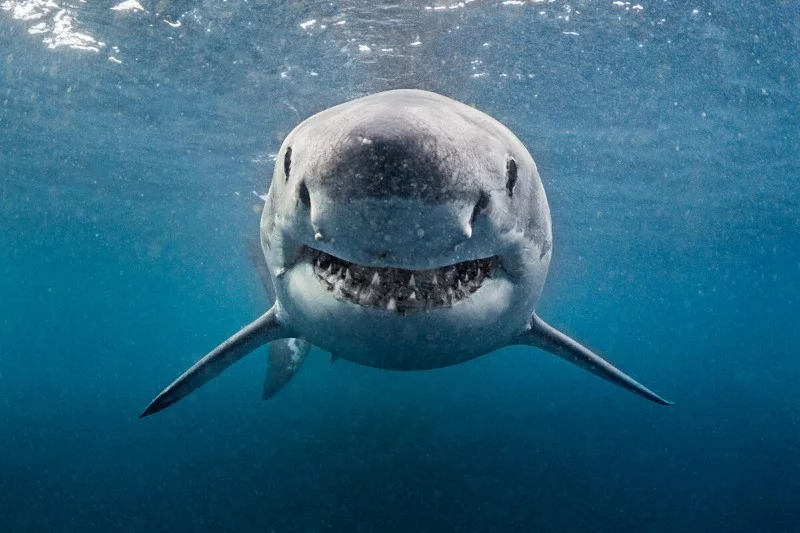
Despite the relative rarity of attacks, the fear of them is great due to the numerous descriptions of individual cases, as well as thanks to literary works and horror films like the Jaws movie series. Up to 100 million sharks are still killed by humans every year. The most valuable ocean predator, which plays a vital role in maintaining a healthy state, is being destroyed The world ocean.
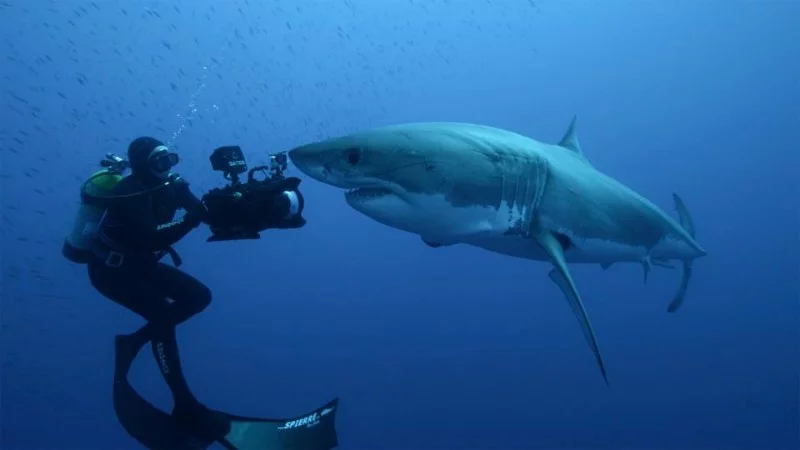
Contrary to popular belief, only a few shark species are dangerous to humans. Of the more than 360 species, only 4 have been seen in a significant number of unprovoked fatal attacks on humans: white, tiger, blunt-nosed and long-winged sharks. However, despite the fact that these marine predators are capable of attacking humans, they are generally not aggressive and there are numerous photos and videos of them taken by unprotected divers in open water. For example, the French film Oceans contains footage of a man swimming freely next to sharks.
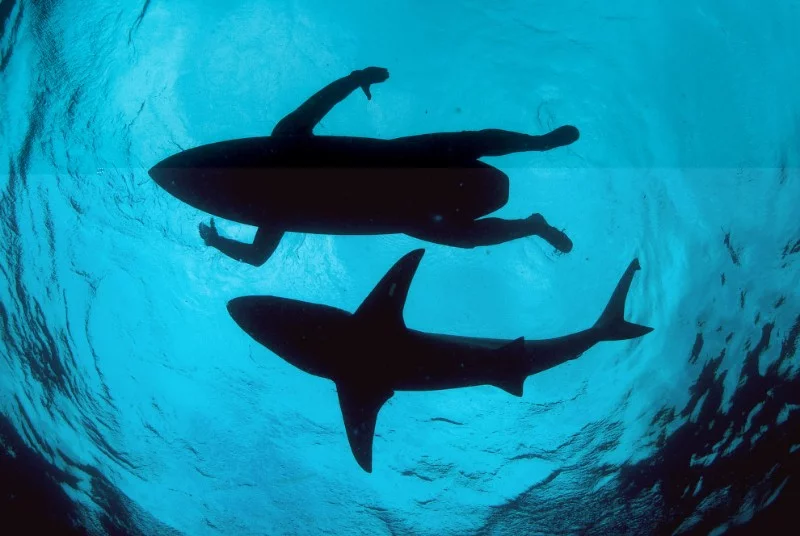
Like most natural hunters, sharks feel a sense of curiosity when they encounter something unusual on their territory. Deprived of limbs with sensitive fingers, they use the only available way to study an object — to bite. These bites are known as exploratory bites. As a rule, in such an attack, the shark swims away after the first bite. For example, attacks on surfers are considered to be exploratory bites, since a shark may well make a mistake — the silhouette of a surfboard with arms and legs hanging from it is very similar from below to its usual prey — a seal, a sea lion or a turtle. And yet such "research" can result in severe consequences for a person, especially if it is such a powerful predator as a white or tiger shark. Despite some rare exceptions, it is believed that sharks do not attack people for the purpose of eating them. Humans are not the source of high-fat meat that sharks need to meet their needs for a huge amount of energy to control a large and powerful body. Rather, they will prefer fat seals and sea lions instead of a relatively bony man. But because of its poor eyesight (some species) and muddy water, the shark sees these animals in the silhouettes of people swimming on the surface of the sea (especially on a surfboard).
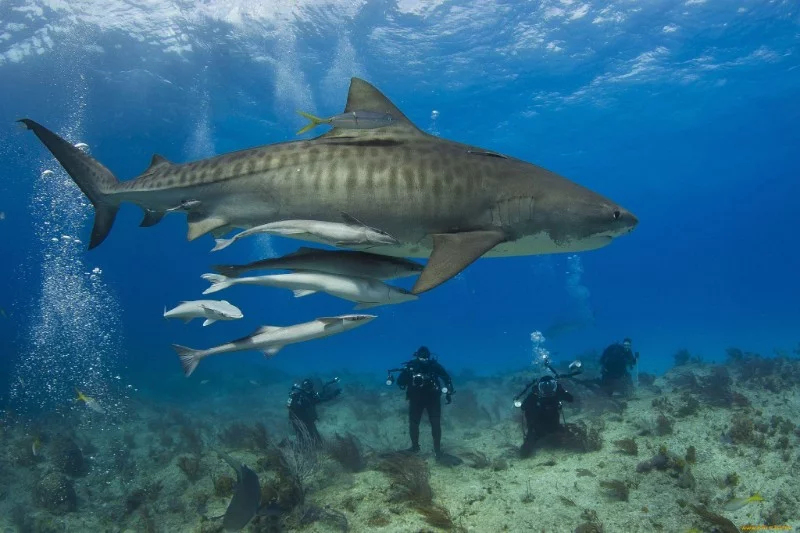
Shark behavior is usually impossible to predict. They can swim listlessly for a long time next to each other, and then suddenly attack the swimmer. This attack can turn out to be either a simple exploratory bite or an overt attack. There is no way to completely eliminate the possibility of a shark attack while a person is in the water, but some precautions can be taken to reduce the risk.:
Sharks usually make one swift attack, and then wait, allowing the victim to die or exhaust himself before starting to eat. This protects the shark from damage from an injured and active victim, but at the same time gives people time to get out of the water and stay alive. The shark's electrical sense organs, called ampoules of Lorenzini, are capable of detecting electrical impulses produced by muscles during contraction. According to one version, the electric receptors of a shark detect electrical impulses of movement of a wounded fish during someone's fishing or spearfishing, and this may become a reason for a mistaken attack on a person. In addition, the electrical impulses of a bathing person can also be perceived by a shark as movements of a wounded animal, that is, easy prey. But their attack usually does not begin immediately — first the shark studies the person, swimming around, and then it can disappear and suddenly appear. There are usually two types of shark attacks: 1 Provoked attack — when a person first comes into contact with a shark. The victims are usually curious divers who do not follow basic precautions. 2 Unprovoked attack: 2.1 A sharp single bite. As a rule, it occurs in the area of beaches where the shark hunts fish. The shark grabs, immediately releases its jaws and immediately swims away. The feet or legs remain damaged, but usually these bites are not very significant and extremely rarely lead to death. In this case, surfers often become victims: their arms or legs hang from the board into the water. 2.2 A surprise attack usually occurs in deep water areas. In these cases, the shark sees its prey in front of it, sneaks up unnoticed and appears in front of the swimmer out of nowhere. The result can be serious injury or death, especially if the shark continues to attack. 2.3 Blow-bite. In such an attack, the shark circles around the victim, actually hitting her with her head or body before each bite. As with a surprise attack, the shark can attack repeatedly. Serious injury or death may also result from such an attack.


Share:
Bestcomments (0)
There are no comments for this post yet. Want to leave the first one?