Vodniy Jurnal
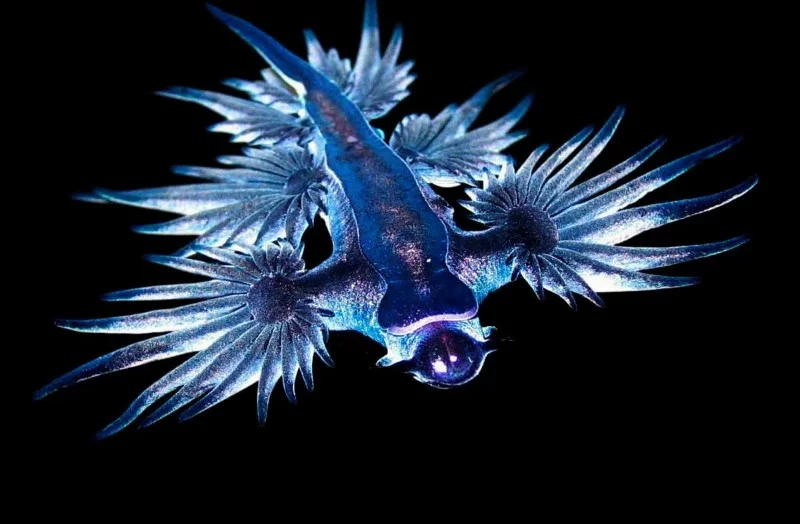
The blue angel is a species of gastropod mollusks common in the seas of all oceans of the tropical belt. The body length is 5-40 mm. On the sides, perpendicular to the axis of the body, there are three groups of cerata - finger-shaped outgrowths, into which branches of the hepatopancreas (digestive gland) enter. The length of the cerata varies significantly in each group, with the longest ones located on the dorsal side. The presence of long outgrowths is considered as one of the mechanisms for increasing buoyancy. The main body tone is silver. The oral tentacles, rhinophores and the lower surface of the cerata are painted in an intense blue color. The dorsal side of different mollusks varies from dark blue to brown. The leg is framed by a blue stripe along the edge. The angel attacks the jellyfish, takes the poison from them and eats them. The sea dragon does not crawl away from the found jellyfish, because it serves as a home and even an incubator! The mollusk attaches its eggs directly to the half-eaten jellyfish. Blue dragons are hermaphrodites, but they cannot self-fertilize.
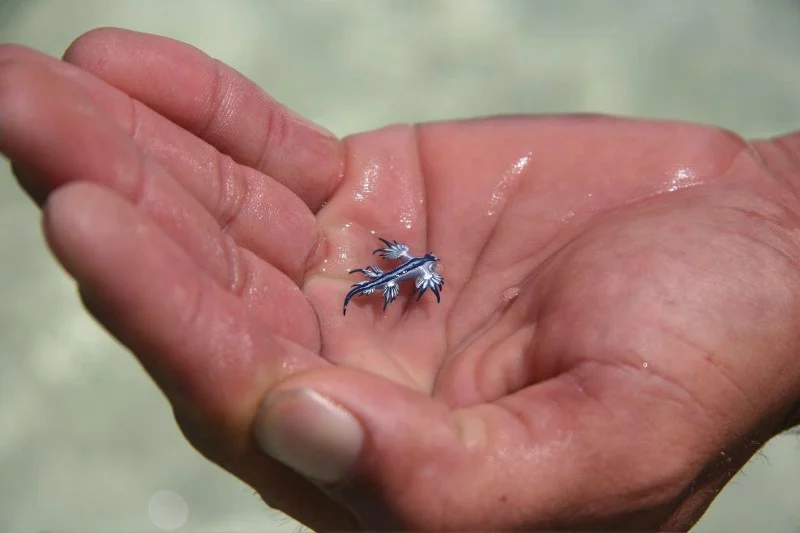
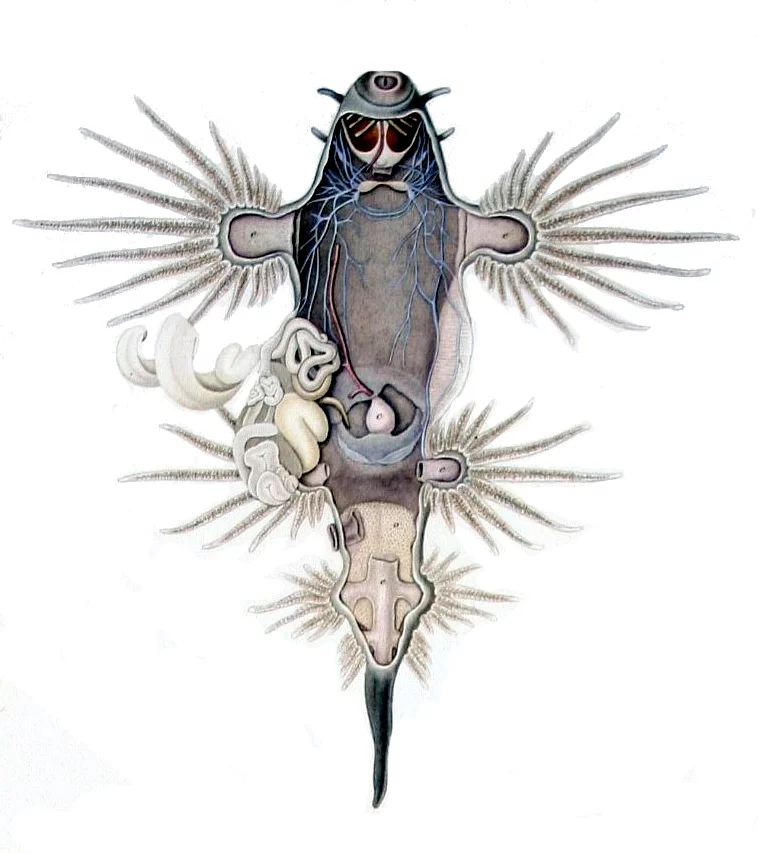
An uncovered clam.
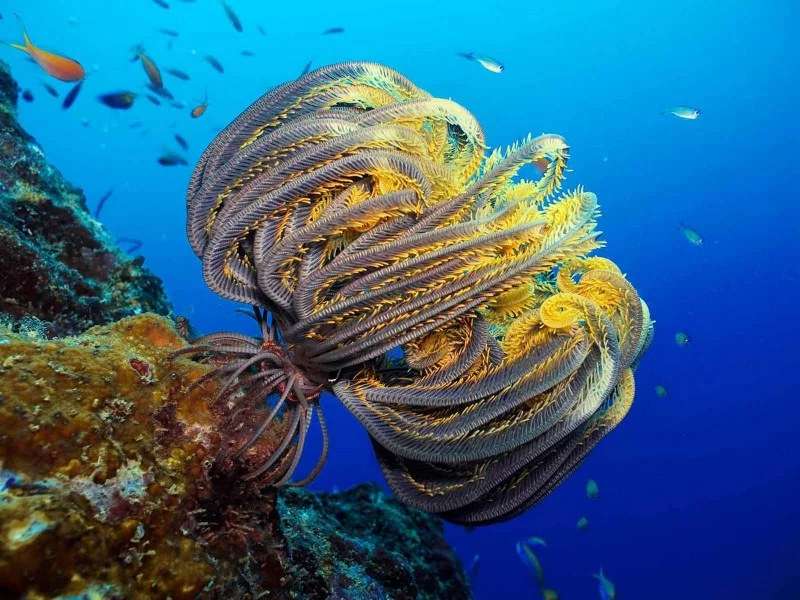
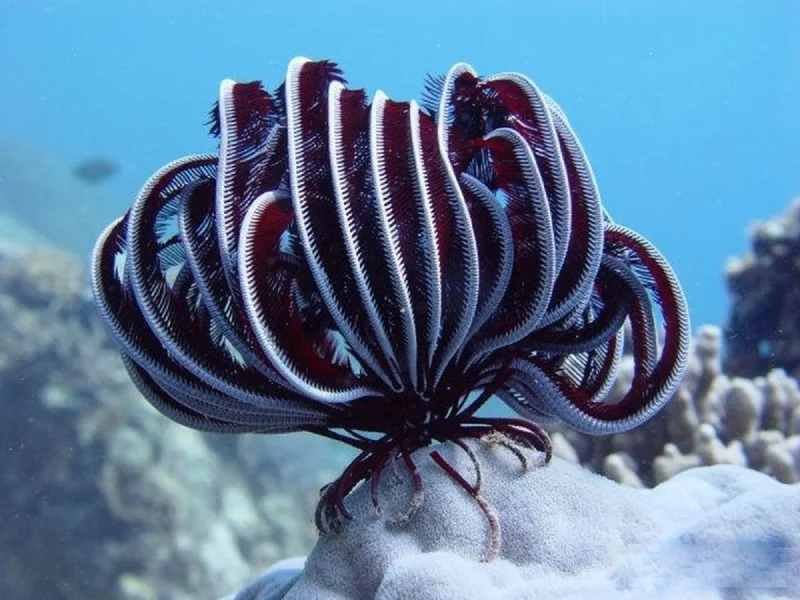
Sea lilies are one of the classes of echinoderms. Bottom animals with a body in the form of a cup, in the center of which there is a mouth, and a corolla of branching rays (arms) goes up. An attachment stalk up to 1 m long extends down from the calyx of stalked sea lilies, growing to the ground and bearing lateral appendages. Sea lilies are the only echinoderms that have preserved the body orientation characteristic of the ancestors of echinoderms: their mouth is turned up, and the dorsal side is turned to the ground surface. As with all echinoderms, the body structure of sea lilies is subject to five-ray radial symmetry. The expanded corolla of the sea lily forms a net for trapping plankton and detritus. Hands on your inner (oral) the sides have mucosal-ciliary ambulacral grooves leading to the mouth; along them, food particles captured from the water are transferred to the mouth opening. Stalked sea lilies lead a sedentary lifestyle and are found at depths from 200 to 9700 m. Stemless, they are most diverse in the shallow waters of tropical seas, often brightly and variegately colored. Approximately 65 % of the stemless sea lilies live at a depth of less than 200 m. In the tropical part In the Pacific Ocean, up to 50 of their species can live on one reef. Stemless lilies are able to detach from the substrate, move along the bottom and float due to the movement of the hands. All sea lilies are passive filters that filter out a nutrient suspension from the water: protozoa (diatoms, foraminifera), invertebrate larvae, small crustaceans and detritus.
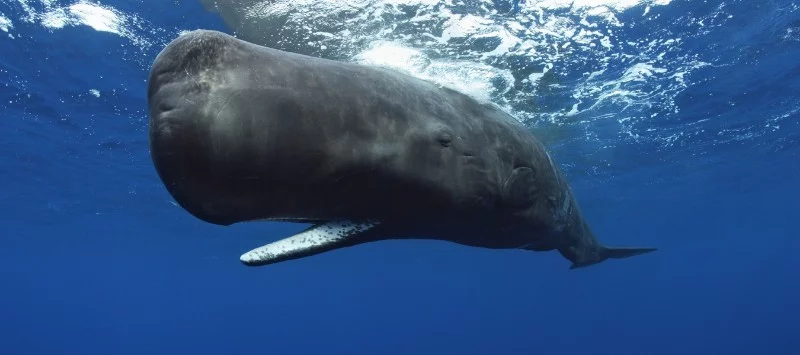
The huge head makes up to a third of the total length of the body, has the appearance of a rectangle. The lower jaw is set with large teeth, of which there are usually 20 pairs, but there are also 8 pairs, there are only 1-3 pairs of teeth on the upper jaw, and often there are none at all. Each tooth weighs about one kilogram. The lower jaw can open vertically downwards, at 90 degrees. The mouth cavity is lined with rough epithelium, which prevents the prey from slipping out. The sperm whale's body expands and becomes thick in the middle, almost round in cross section. Then it narrows again and gradually turns into a caudal stem. The caudal fin of a sperm whale is up to 5 m wide. The sperm whale's skin is wrinkled and folded, and usually has a dark gray tint. Sperm whales grow all their lives, so the older the whale, the larger it is, as a rule; at the same time, males are almost twice as large as females. Males are 18-20 m long and weigh from 40 to 70 tons. The vocal signals of the sperm whale are generally similar to those of other whales. These are three types of sounds — moaning sounds, clicks and a quick crackle, similar to the sound of a mechanical typewriter, and creaking.
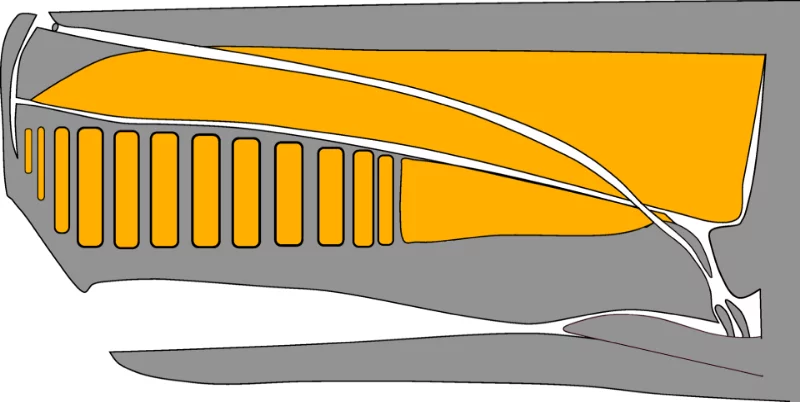
Most of the volume of the head is occupied by a spermaceti sac located above the upper jaw, a spongy mass of fibrous tissue impregnated with spermaceti (a complex composition of adipose tissue). It is believed that this substance and the organ in which it is stored perform a number of tasks at once. The bag helps sperm whales make full use of echolocation by amplifying ultrasonic waves, liquid fat provides the necessary level of buoyancy, which helps whales dive to gigantic depths and surface from them. It is known that male sperm whales collide with each other at a speed of 17 km / h, trying to demonstrate dominance, in such cases the main impact falls on the reservoir with fat. There were cases when whalers themselves became victims of sperm whales, as the latter rammed and sank ships.

The sperm whale has one of the largest ranges in the entire animal world. It is common throughout The world Ocean, except for the northernmost and southernmost cold regions. Sperm whales are more common in warm waters than in cold ones.
Sperm whales are gregarious animals. During migrations, the whale's speed rarely exceeds 10 km/h, and the maximum whale speed is 37 km/h. When feeding, sperm whales can act in well-organized groups of 10-15 individuals, collectively herding prey into dense groups. At the same time, the whales show a high level of interaction. Collective hunting took place at depths up to 1,500 m. Sperm whales often live to be 60 years old. The sperm whale's unique ability to dive extremely deep is known. He dives deeper than any other air-breathing animal. Some sources indicate the possible ability of the sperm whale to dive up to 3000 m. The whale's body is well adapted for such dives due to a number of anatomical features. The enormous pressure of water at depth does not harm the whale, since its body is largely made up of fat and other liquids that are very little compressible by pressure. The lungs of a whale are half as large relative to the body volume as those of land animals, so the sperm whale's body does not accumulate excess nitrogen, which happens in all other living creatures when diving to great depths. Caisson disease, which occurs when nitrogen bubbles enter the blood during ascent, never happens in a sperm whale, since the sperm whale's blood plasma has an increased ability to dissolve nitrogen, preventing this gas from forming microbubbles. The whale stores 41% oxygen in its muscles, while only 9% is stored in its lungs. In addition, the sperm whale's metabolism changes very significantly during deep dives. The pulse drops to 10 beats per minute, and the blood flow is greatly redistributed. The sperm whale actively uses high-frequency and ultrasonic echolocation to detect prey and orient itself. The latter is especially important for him, since this whale plunges to a depth where there is no lighting at all. Sperm whales are polygamous; during the breeding season, males form harems — 10-15 females stay near one male. Sperm whales can give birth at any time of the year.Pregnancy lasts from 15 months to 18 months and sometimes more. The cub is born alone, 3-4 m long and weighing about a ton
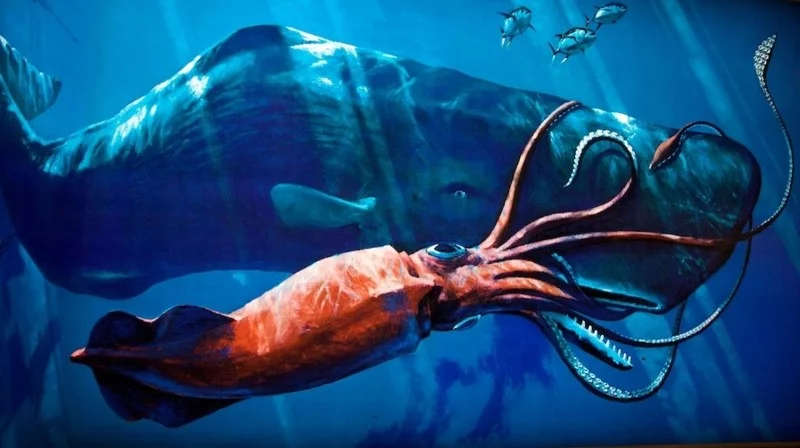
One of the most interesting features in the sperm whale's diet is its eating of giant cephalopods, which it encounters at great depths. Huge squids occupy an important place in the diet of the sperm whale; in any case, it is the sperm whale that is the main natural enemy of giant cephalopods[66]. This applies, in particular, to the largest squid of the genus Architeuthis, whose length can be more than 10 m. Squid suckers leave round marks with a diameter of up to 20 cm on the skin of a sperm whale, at the same time, even the largest squid known to science, at the same time, even the largest squid known to science (even those whose length, together with tentacles, reached 10 meters), the diameter of the suckers did not exceed 5 cm. Most likely, the squid left sucker prints when the sperm whale had not yet reached the full size of an adult whale, and then, when the sperm whale grew up, the scars from the suckers stretched to 15-20 centimeters in diameter
The sperm whale, like all toothed whales, is a predator. The basis of its diet consists of two groups of animals — cephalopods and fish, and cephalopods absolutely predominate.Cephalopods make up about 95% of the total (by weight) the food consumed by sperm whales and fish is less than 5%. An adult sperm whale needs to eat about a ton of cephalopods per day for normal nutrition. The sperm whale catches its prey at a depth of at least 300-400 m, where it has almost no food competitors, with the possible exception of some beaked whales
There are different estimates of the current number of sperm whales in the world's oceans. Most often, estimates converge on the figures of 300-450 thousand. According to estimates provided by the International Union for Conservation of Nature, in 2003, sperm whales on Earth were from 30 to 50% of the number that lived in 1922. The recovery in the number of sperm whales has been observed since the 1980s, when their fishing was finally stopped, but it is extremely slow. Cubs and even adult female sperm whales can be attacked by killer whales — researchers have recorded cases when killer whales inflicted severe wounds on adult females or even tore them apart. Some scientists doubt the ability of killer whales to overcome adult sperm whales (even a herd of females with cubs, acting together, can drive away killer whales). Nevertheless, special studies conducted in 1999 led to the conclusion that attacks with fatal outcomes for sperm whales still happen — for example, a study of the fresh skeleton of a 9.8-meter female sperm whale showed that the whale was torn apart by killer whales. But in general, according to general estimates, the threat to sperm whales from killer whales is very small. Among the causes of natural mortality of these whales are myocardial infarction, stomach ulcer, and bone necrosis, which can occur from the penetration of microscopic nitrogen bubbles during decompression during the whale's ascent from the depths. The sperm whale, like other large whales, grows quite heavily with various crustaceans, which, however, do not cause any damage to the whale's body. This whale is susceptible to infestations of endoparasites, of which the most notable is a giant roundworm (up to 8.5 m long) living in the placenta of females. Marine pollution is an important factor affecting the number of sperm whales in a number of areas of the world Ocean. The catastrophic oil leak in the Gulf of Mexico in the summer of 2010, according to some non-governmental environmental organizations, had a serious negative impact on the local sperm whale population. Sometimes sperm whales are killed or seriously injured in collisions with ships. The death of sperm whales in fishing nets is very rare, but still such cases are recorded. This factor plays the greatest role in The Mediterranean Sea. There have been cases when sperm whales caused damage to fish catches by devouring large fish that had already been hooked during industrial fishing. This behavior of sperm whales has been recorded in Alaska. Fishermen who lost up to 20% of their catch due to the fault of sperm whales even turned to scientists for help
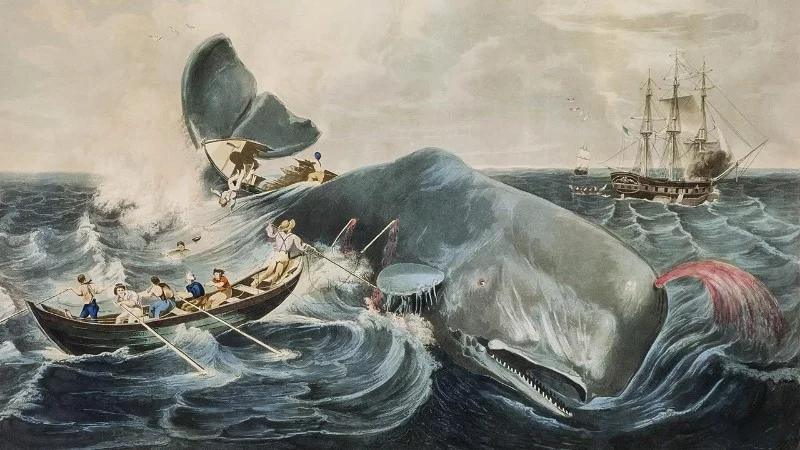
For centuries (until the middle of the XX century), the sperm whale was the most important object of whaling before its prohibition. Until 1948, about 5,000 animals were harvested annually. After that, production volumes increased sharply to 20 thousand heads per year, mainly in the North Pacific and in the Southern Hemisphere. Sperm whale production was severely restricted in the second half of the 1960s, and in 1985, sperm whales, along with other whales, were completely taken under protection. Sperm whale mining in the XVIII—XIX centuries was especially developed in the USA. Its center was Nantucket, which at one time was probably the largest whaling port in the world - up to 150 whaling schooners were assigned to it. With such intensive fishing, male sperm whales were knocked out very badly, which negatively affected not only the livestock, but also the average size of these whales — the average length and weight of sperm whales became noticeably smaller due to the destruction of the largest specimens. The main product of the sperm whale fishery at all times was fat, 12-13 tons were obtained from one sperm whale. Amber is a solid wax—like substance of gray color, formed in the digestive tract of sperm whales, having a complex layered structure. Amber has been used since ancient times and until the middle of the XX century as an incense and as a valuable raw material in the manufacture of perfumes. Spermaceti, it was used to make ointments, lipsticks, etc.; candles were often made. Sperm whale teeth in Europe and North America at the time of intensive whale mining served as a very expensive ornamental material, valued on a par with mammoth tusk and walrus tusk. Sperm whale meat, like the meat of other toothed whales, has a strong, not very pleasant smell compared to the meat of baleen whales, therefore it was extremely rarely eaten by humans. Whaling before its mechanization was associated with increased risk, largely due to the fact that wounded sperm whales, becoming enraged, attacked boats with whalers, and often the whaling ships themselves. The strength of a sperm whale, even a wounded one, was usually enough to smash a boat with a single blow of the head or tail in a retaliatory attack. Thus, sperm whales account for many lives of whaling sailors. Therefore, the extraction of sperm whales was considered a particularly difficult and dangerous occupation among whalers. An incident became widely known when, in 1820, an enraged sperm whale twice headbutted the American 230-ton whaling ship Essex and sank it. At the time of the sinking, the ship was thousands of kilometers from the shore. The crew of the Essex managed to escape and land on a desert island, but people suffered incredible hardships (including cannibalism against comrades who died of hunger or thirst in boats), as a result, only 8 out of 21 sailors survived. The sperm whale is the only whale whose throat theoretically allows you to swallow a person whole without chewing (and, generally speaking, the only animal capable of doing this). However, despite the high number of deaths when hunting sperm whales, these whales seem to have exceptionally rarely swallowed people who got into the water. The only relatively reliable case occurred in 1891. A sperm whale crashed a dinghy from a British whaling schooner, harpooner James Bartley, went missing and was presumed dead. The sperm whale that sank the dinghy was killed a few hours later. By morning, the whalers, having reached the inside of the whale, found James Bartley, who was unconscious, in his stomach. Bartley survived, although not without health consequences. Bartley had to leave whaling, but he was able to earn good money by showing himself at fairs as a man who had been in the belly of a whale.Despite the fact that the incident with James Bartley is usually considered authentic, it remains unclear how a person could survive after spending fifteen hours in the stomach of a whale — without access to air and in an acidic environment. It is possible that the side of the whale and its stomach were pierced by a harpoon and air entered the stomach through this wound. Some sources reasonably doubt the truth of this incident with reference to another case when a sperm whale in 1893 also swallowed a whaler, but the swallowed sailor died immediately from injuries and suffocation, and his body was severely corroded by acidic gastric juice.
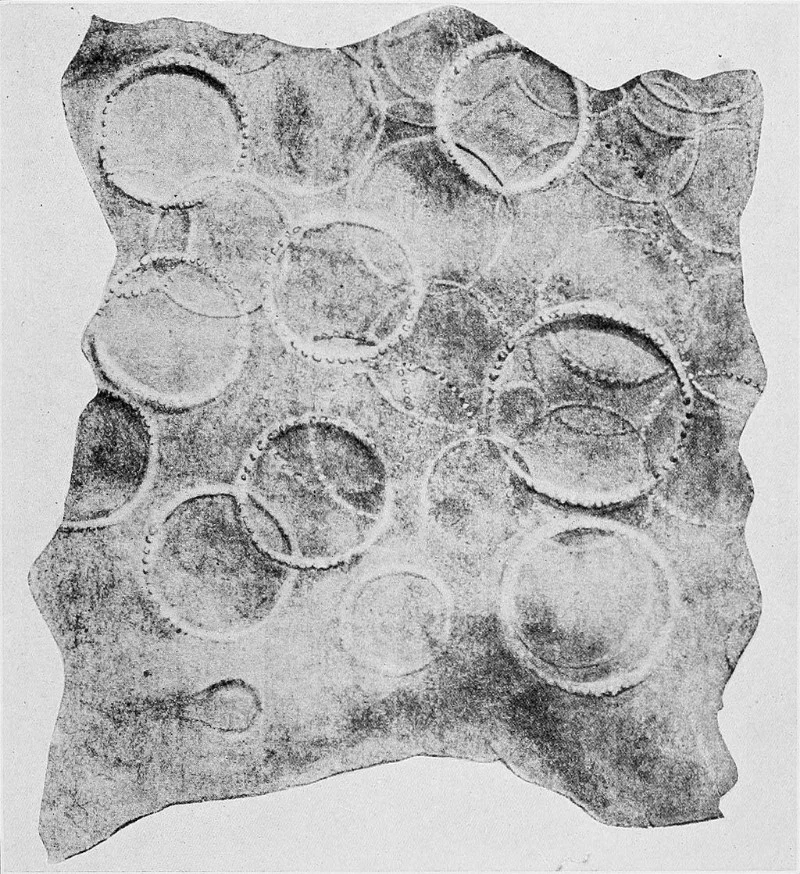
A piece of sperm whale skin covered with traces of giant squid suckers
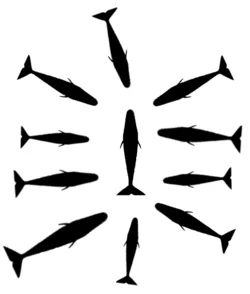
A way to protect cubs by adult sperm whales
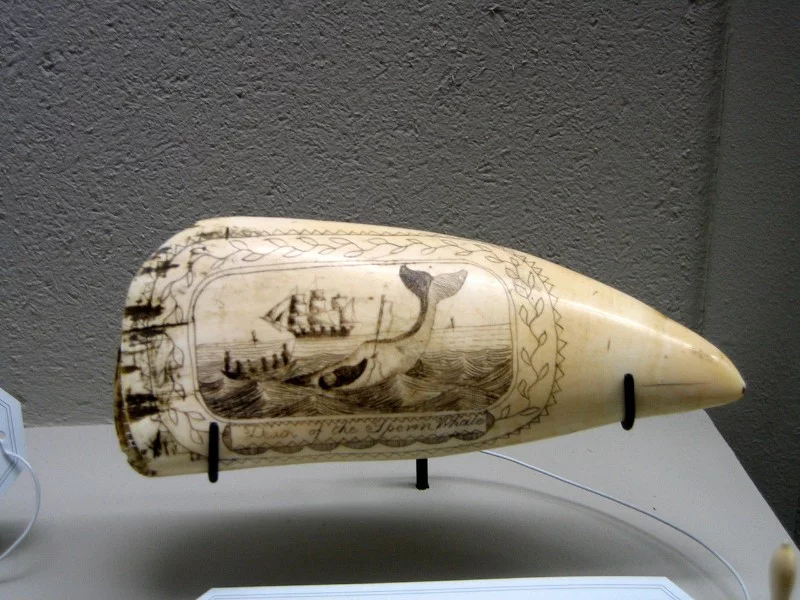
A sperm whale tooth with a carved image
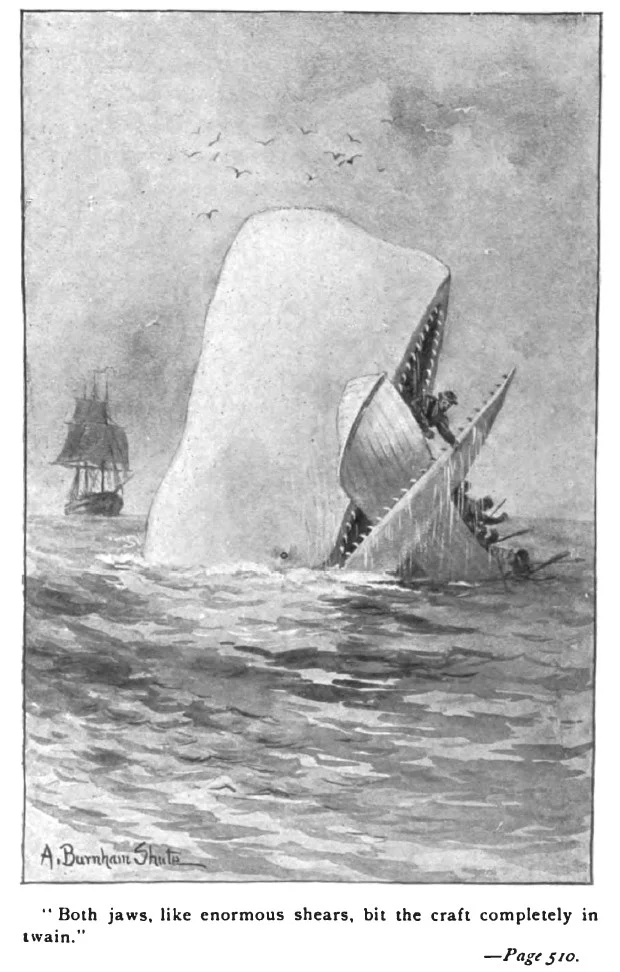
Illustration for Herman Melville's novel "Moby Dick" published in 1892
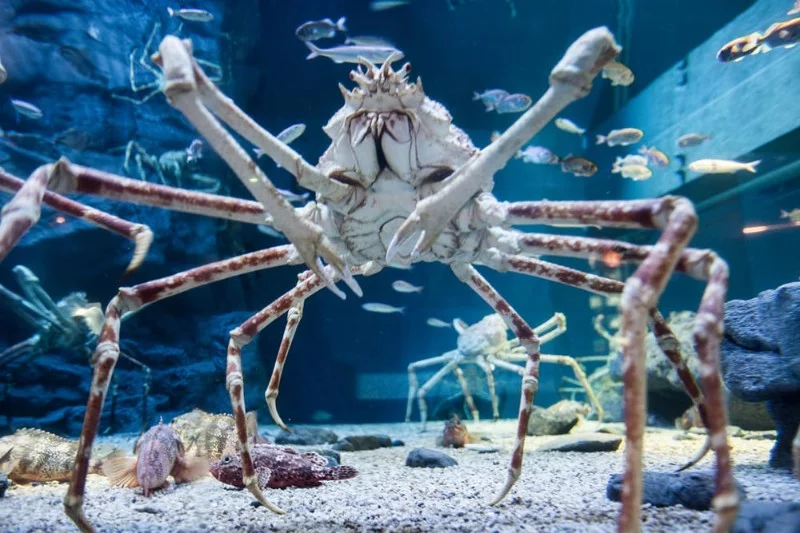
The Japanese giant spider crab, although not the heaviest in the underwater world, is however the largest known arthropod. A well-calcined shell is only about 40 cm, but the total length of adult individuals can be almost 5 meters from one tip of the cheliped (claws with claws) to the other when stretched. The whole crab weighs up to 19 kg. Spiny and short tubercles (growths) cover the carapace, which varies from dark orange to light brown in color. The shell tends to remain the same size throughout adulthood, but the claws lengthen significantly as the age of the crab increases. Spider crabs are known for having long, thin limbs. The walking claws end with moving parts curved inwards at the tip of the walking limb. Although long legs, they are often weak. One study reported that almost three quarters of these crabs lack at least one limb, most often one of the first walking legs. This is because the limbs are long and poorly connected to the body and tend to come off due to predators and nets. Spider crabs can survive if up to 3 walking legs are missing. Walking legs can grow back during regular molts.
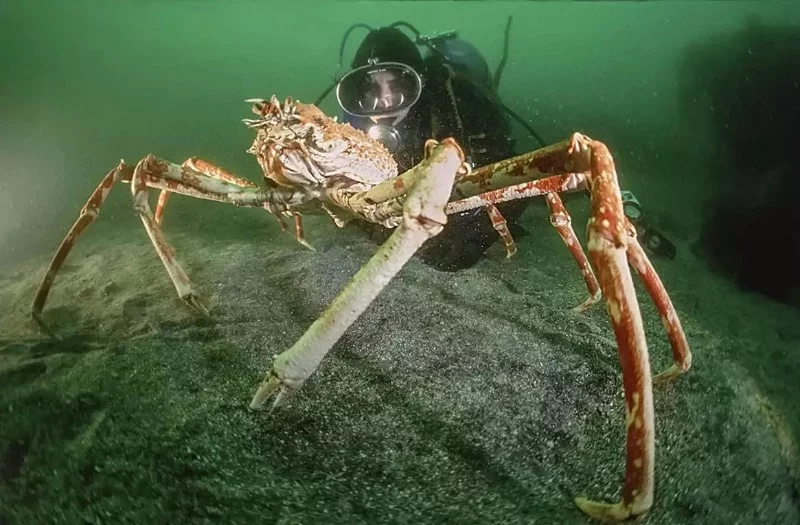
The habitat of the Japanese arthropod giant is limited to the Pacific side of the Japanese Honshu Islands from Tokyo Bay to Kagoshima Prefecture, usually at a latitude of 30 to 40 degrees north latitude. Japanese spider crabs most often live on the sandy and rocky bottom of the continental shelf at depths up to 300 meters. They like to hide in vents and holes in the deep parts of the ocean. Temperature preferences are unknown, but spider crabs are regularly found at a depth of 300 m in Suruga Bay, where the water temperature is about 10°C. Young individuals tend to live in shallower areas with higher temperatures.
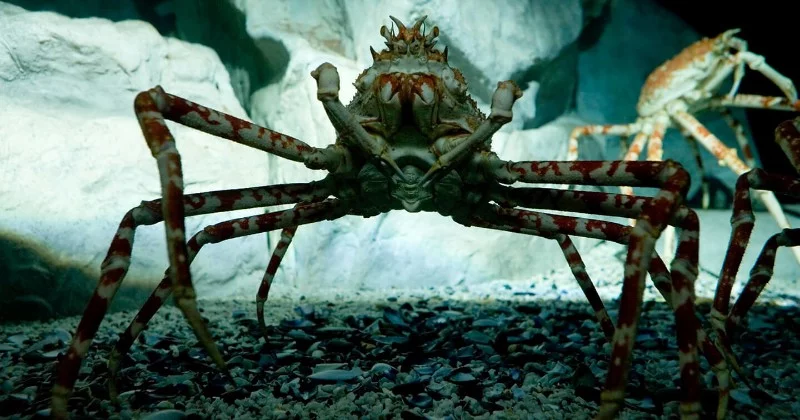
The spider crab is an omnivorous scavenger, consuming both plant substances and parts of animal origin. He is not an active predator. Basically, these large crustaceans, as a rule, do not hunt, but crawl and collect dead and decomposing matter along the seabed. Sometimes they eat algae and live shellfish. Although giant spider crabs move slowly, they are able to hunt small marine invertebrates, which they can easily catch. Some individuals are cleaners of the ocean floor from decaying plants and algae, and some open shellfish shells. The crustacean has a mild character, despite its ferocious appearance.
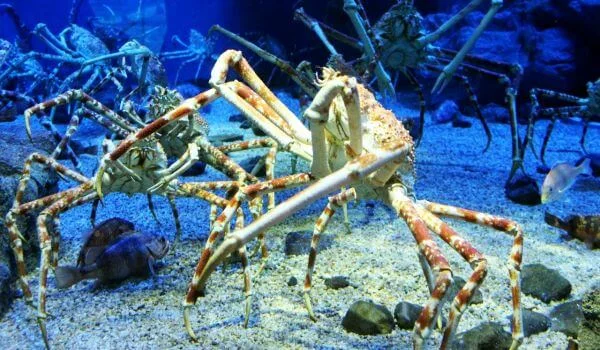
Spider crabs are very calm creatures, spending most of their days searching for food. They roam the seabed, moving casually over rocks and potholes. But this marine animal does not know how to swim at all. Spider crabs use their claws to tear apart objects. These spider crabs shed their shells, and new ones grow even bigger with age. One of the largest spider crabs ever caught was only forty years old, so it is unknown what size they may have when they reach a greater age. At the age of 10, the spider crab becomes sexually mature. Japanese laws prohibit fishermen from catching M. kaempferi during the mating season in early spring, from January to April, in order to preserve natural populations and allow the species to spawn. During incubation, females carry eggs on their back and lower body until they hatch. The mother stirs the water with her hind legs to saturate the eggs with oxygen. After the eggs are hatched, parental instincts are absent, and the larvae are left to fend for themselves. Female crabs carry fertilized eggs attached to their abdominal appendages until tiny planktonic larvae hatch. The development of planktonic larvae depends on temperature and takes from 54 to 72 days at 12-15 °C. Due to the mild nature of spider crabs, they are often found in aquariums. They rarely come into contact with humans, and their weak claws are quite harmless.
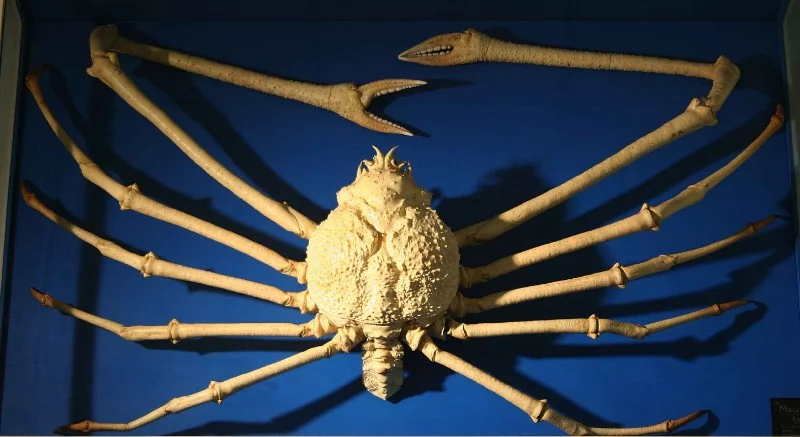
An adult spider crab is quite large, so it has few predators. He lives deeply, which also affects security. Young individuals try to decorate their shells with sponges, algae or other objects suitable for camouflage. However, adults rarely resort to this method because their large size deters most predators from attacking. Although spider crabs move slowly, they use their claws against small predators. The armored exoskeleton helps the animal to protect itself from larger predators. But despite the fact that these spider crabs are massive, they still have to beware of an accidental predator such as an octopus. Japanese fishermen continue to catch spider crabs, despite the fact that their numbers are declining. Scientists fear that its population may have declined significantly over the past 40 years. These crabs are often served as a treat during the respective fishing seasons and eaten both raw and boiled. Because the legs of the spider crab are very long, researchers often use tendons from the legs as a subject for study. In some parts of Japan, it is customary to take and decorate the shell of an animal.
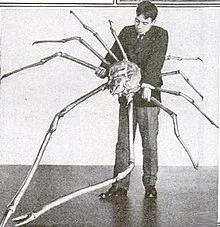
This crab specimen from the American Museum of Natural History measures 3.8 meters (12 feet) across its outstretched legs
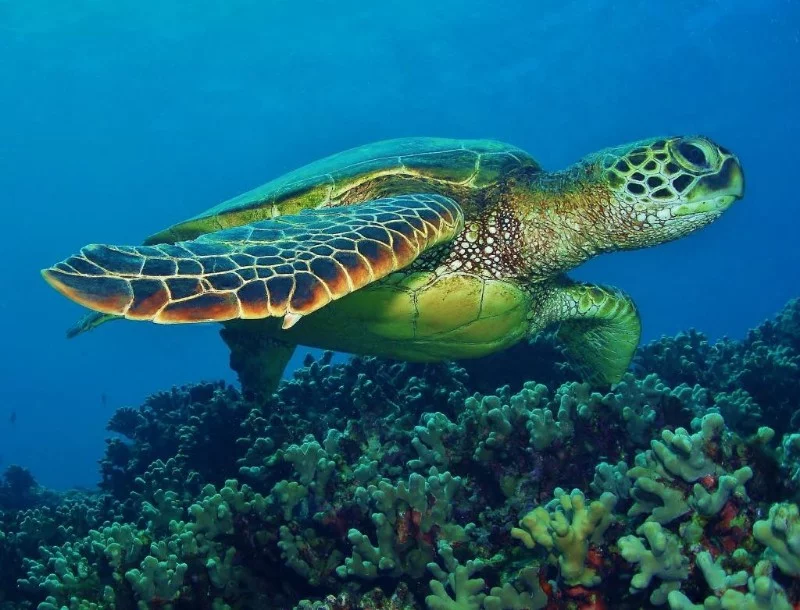
The shell of a turtle is characterized by an oval shape, while its length can reach almost 2 meters, although there are mostly individuals with a shell length of no more than 1 meter. Attention should be paid to the structure of the shell, which consists of flaps that fit snugly together. The head of the reptile is partially covered with the same shields. The eyes are relatively large, almond-shaped, with round pupils.There is a small claw at the end of each flipper. On average, adults weigh within a hundred kilograms, but this is not the limit, as there are individuals weighing up to 200 kilograms. It should be noted that the record weight of the green turtle was registered, which amounted to almost half a ton.
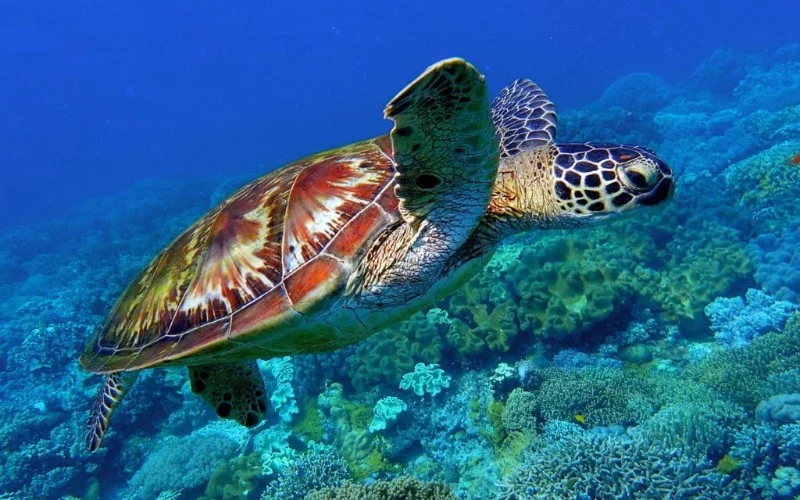
Sea turtles prefer to lead a secluded lifestyle, so it is almost impossible to meet turtles in a group. Scientists still cannot figure out how turtles navigate the vastness of the world's oceans. They are able to gather in a certain place on the same day to reproduce their own kind.After being born, turtles for decades, having traveled tens of thousands of kilometers across the expanses of the World Ocean, unmistakably find the place where they were born. Sea turtles are non–aggressive and trusting marine life that try to stick to the coastal zone, where the depth is no more than 10 meters. Being at rest or in a state of sleep, turtles do not appear on the surface of the water for several hours. With the help of their forelimbs-flippers, turtles can reach speeds of up to 10 km / h, which is not bad for such marine life. As they grow older, turtles begin to move from the depths closer to the coastal zone. Living in a natural environment, green turtles can live up to 80 years, but turtles live much less in captivity.
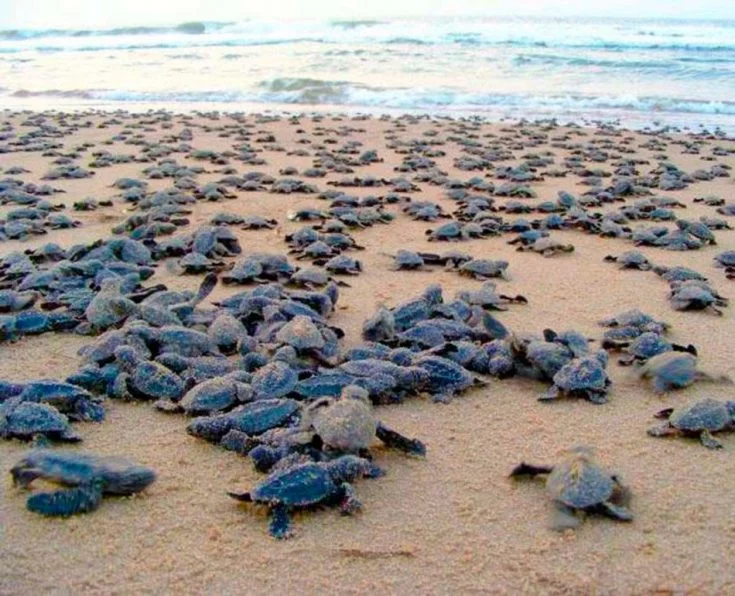
The female lays up to a hundred eggs, after which the hole is filled with sand and leveled. In this way, she masks her masonry. In one season, the female lays 50-100 eggs 7 times. The incubation process lasts for 2 months and several days, after which small turtles begin to emerge from the eggs, breaking through the shell. Most of the nests are ruined, so only a few manage to be born.As soon as the little turtles manage to free themselves from the shell, they rush through the sand to get into the aquatic environment, so as not to turn out to be lunch for some predators. In fact, not many of them are lucky and some of them don't even make it to the surf line. Even those kids who managed to get into the water will not be lucky for many, as they will find many surprises here, from which it is difficult to hide. At first, small turtles have to hide in the depths of the sea, carefully disguising themselves. The diet of young turtles does not consist only of plant foods. They also feed on jellyfish, mollusks, crustaceans and plankton. As you get older, your diet also changes, as plant-based foods begin to predominate. During the 7-10 years of the turtles' life, the process of solidification of the shell takes place. A hard shell is at least some kind of a guarantee that there are not so many hunters for turtle meat.
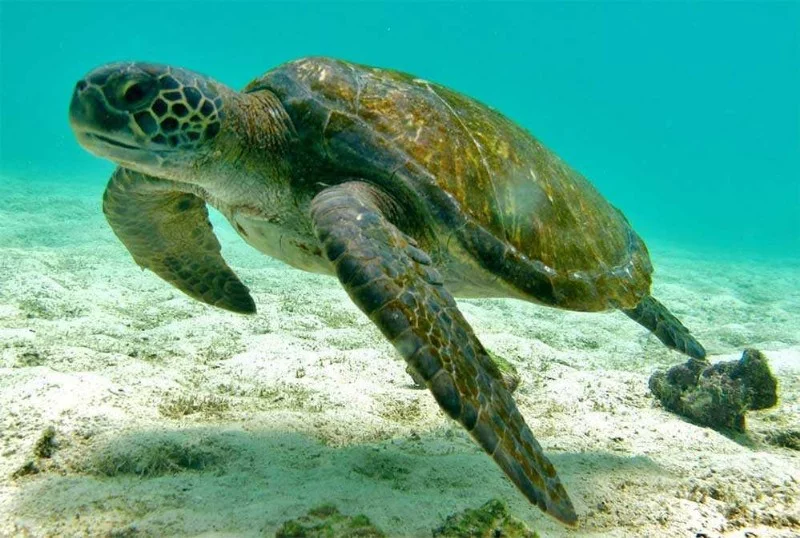
The comfortable living conditions of the green turtle are associated with a depth of no more than 10 meters, with a sufficient amount of algae for food, as well as with a rocky bottom. At such a depth, the water warms up well, which attracts green turtles, regardless of the geographical location of these places. Marine green turtles prefer to live in the waters of the tropics and subtropics, as well as in the waters of the Pacific and Atlantic Oceans. Among the rocks, turtles hide from natural enemies, rest, and caves serve as a home for turtles for many years.
Many travelers have put a lot of effort into exploring the New World and the Caribbean Sea, while they massively exterminated these marine life, going on trips to discover new lands. Turtles were destroyed in large numbers, replenishing food supplies. Their dried and dried meat was loaded onto ships. Soup was made from this meat. Soup made from these turtles even nowadays belongs to delicatessen dishes. That is why green turtles are on the verge of extinction in our time.While in the reserve, tourists are forbidden to approach the turtles closer than 100 meters. Eggs laid by turtles are placed in incubators, after which the newly born babies are released into safe waters, and when they get stronger. Since turtles are listed in the Red Book, turtle hunting and egg extraction are prohibited in their nesting sites. In addition, it is forbidden to conduct any kind of business, including business activities. The program has yielded its results and experts are confident that the number of green turtles has grown so much that it inspires hope that green turtles will not disappear from the face of the earth in the near future.
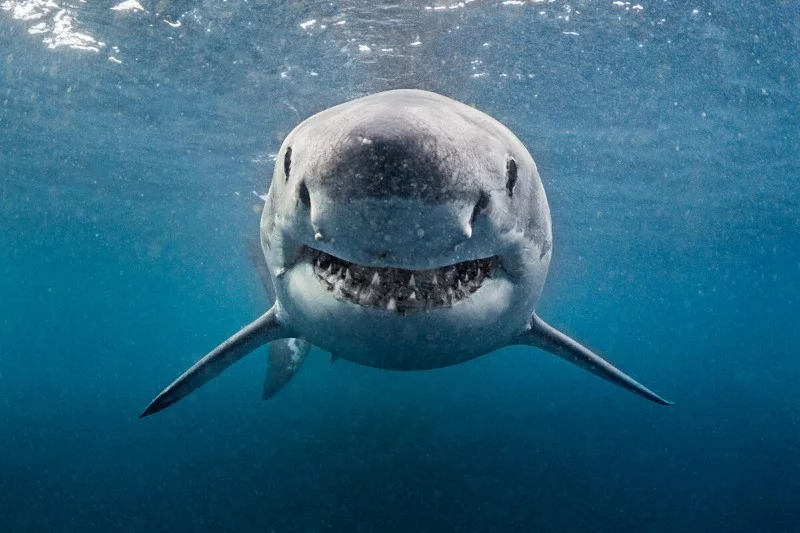
Despite the relative rarity of attacks, the fear of them is great due to the numerous descriptions of individual cases, as well as thanks to literary works and horror films like the Jaws movie series. Up to 100 million sharks are still killed by humans every year. The most valuable ocean predator, which plays a vital role in maintaining a healthy state, is being destroyed The world ocean.
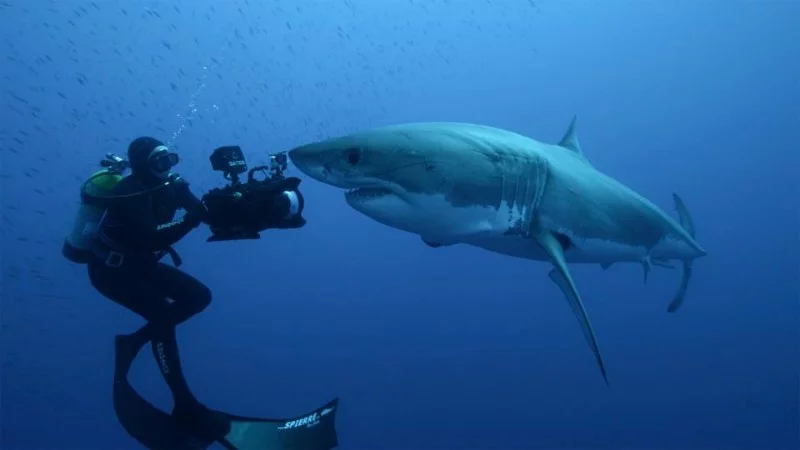
Contrary to popular belief, only a few shark species are dangerous to humans. Of the more than 360 species, only 4 have been seen in a significant number of unprovoked fatal attacks on humans: white, tiger, blunt-nosed and long-winged sharks. However, despite the fact that these marine predators are capable of attacking humans, they are generally not aggressive and there are numerous photos and videos of them taken by unprotected divers in open water. For example, the French film Oceans contains footage of a man swimming freely next to sharks.
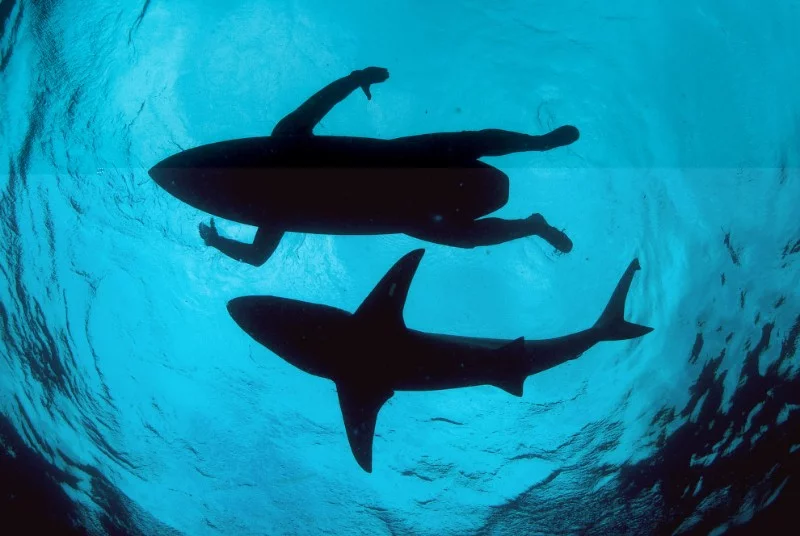
Like most natural hunters, sharks feel a sense of curiosity when they encounter something unusual on their territory. Deprived of limbs with sensitive fingers, they use the only available way to study an object — to bite. These bites are known as exploratory bites. As a rule, in such an attack, the shark swims away after the first bite. For example, attacks on surfers are considered to be exploratory bites, since a shark may well make a mistake — the silhouette of a surfboard with arms and legs hanging from it is very similar from below to its usual prey — a seal, a sea lion or a turtle. And yet such "research" can result in severe consequences for a person, especially if it is such a powerful predator as a white or tiger shark. Despite some rare exceptions, it is believed that sharks do not attack people for the purpose of eating them. Humans are not the source of high-fat meat that sharks need to meet their needs for a huge amount of energy to control a large and powerful body. Rather, they will prefer fat seals and sea lions instead of a relatively bony man. But because of its poor eyesight (some species) and muddy water, the shark sees these animals in the silhouettes of people swimming on the surface of the sea (especially on a surfboard).
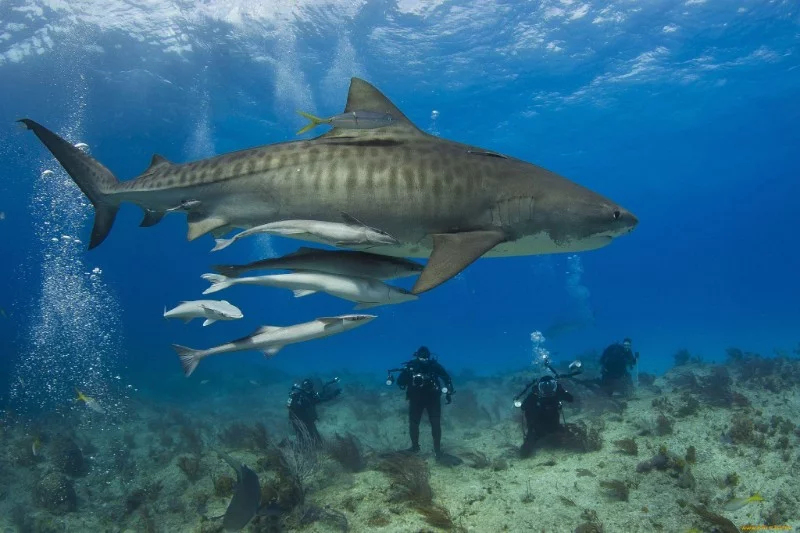
Shark behavior is usually impossible to predict. They can swim listlessly for a long time next to each other, and then suddenly attack the swimmer. This attack can turn out to be either a simple exploratory bite or an overt attack. There is no way to completely eliminate the possibility of a shark attack while a person is in the water, but some precautions can be taken to reduce the risk.:
Sharks usually make one swift attack, and then wait, allowing the victim to die or exhaust himself before starting to eat. This protects the shark from damage from an injured and active victim, but at the same time gives people time to get out of the water and stay alive. The shark's electrical sense organs, called ampoules of Lorenzini, are capable of detecting electrical impulses produced by muscles during contraction. According to one version, the electric receptors of a shark detect electrical impulses of movement of a wounded fish during someone's fishing or spearfishing, and this may become a reason for a mistaken attack on a person. In addition, the electrical impulses of a bathing person can also be perceived by a shark as movements of a wounded animal, that is, easy prey. But their attack usually does not begin immediately — first the shark studies the person, swimming around, and then it can disappear and suddenly appear. There are usually two types of shark attacks: 1 Provoked attack — when a person first comes into contact with a shark. The victims are usually curious divers who do not follow basic precautions. 2 Unprovoked attack: 2.1 A sharp single bite. As a rule, it occurs in the area of beaches where the shark hunts fish. The shark grabs, immediately releases its jaws and immediately swims away. The feet or legs remain damaged, but usually these bites are not very significant and extremely rarely lead to death. In this case, surfers often become victims: their arms or legs hang from the board into the water. 2.2 A surprise attack usually occurs in deep water areas. In these cases, the shark sees its prey in front of it, sneaks up unnoticed and appears in front of the swimmer out of nowhere. The result can be serious injury or death, especially if the shark continues to attack. 2.3 Blow-bite. In such an attack, the shark circles around the victim, actually hitting her with her head or body before each bite. As with a surprise attack, the shark can attack repeatedly. Serious injury or death may also result from such an attack.

