So what are you waiting for?
Georges Méliès was born on December 8, 1861, in Paris, France. Initially trained as an actor and stage magician, Méliès’ life changed dramatically in 1895 when he witnessed the first public demonstration of the Lumière brothers’ cinematograph. Captivated by the potential of this new medium, he immediately recognized its connection to his passion for magic and illusion.
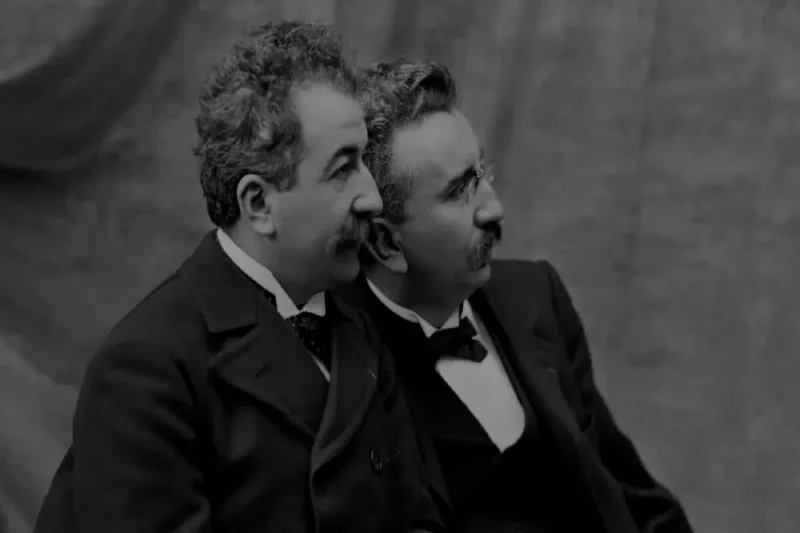
Lumiere brothers
In 1896, Méliès made his first foray into filmmaking by purchasing a camera and building one of the world’s first film studios in Montreuil, just outside Paris. Unlike the documentary-style films of his contemporaries, Méliès focused on creating fictional stories and magical effects. He pioneered the use of special effects techniques such as stop-motion photography, multiple exposures, and dissolves to create visual illusions on screen.
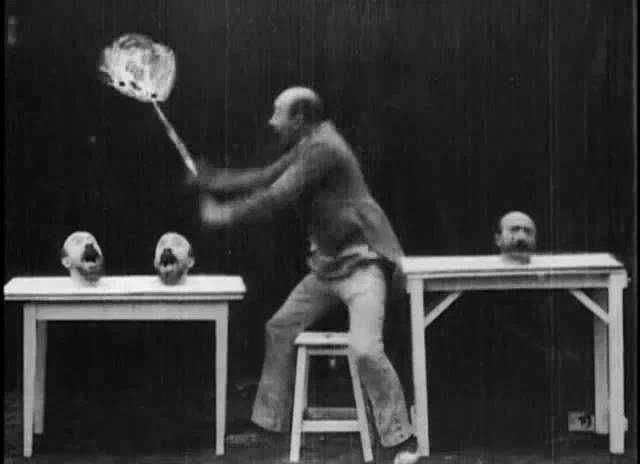
still from the movie Un homme de têtes. Demonstrating multiple exposures
Between 1896 and 1913, Méliès produced over 500 films, ranging from one-minute vignettes to multi-scene narratives. His most famous work, A Trip to the Moon (1902), is considered one of the first science fiction films and a landmark in cinematic history. This 14-minute film showcased Méliès’ mastery of special effects, intricate set designs, and storytelling techniques that were revolutionary for their time.
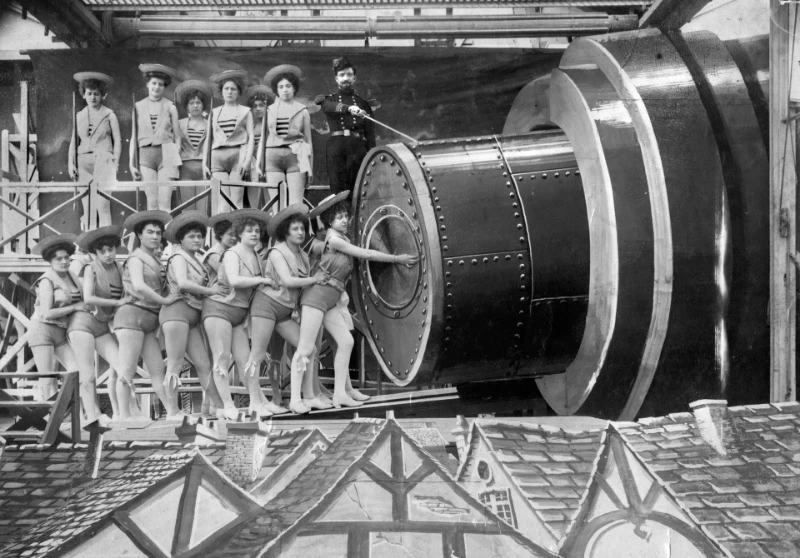
Scene of rocket launch to the moon
Méliès’ innovations extended beyond special effects. He developed:
Despite financial struggles later in his career, Méliès’ impact on cinema is immeasurable. He transformed film from a novelty into an art form capable of telling complex stories. His work inspired future filmmakers like Georges Franju and Jean Cocteau, and his techniques laid the groundwork for modern special effects.
Georges Méliès is often hailed as the first true filmmaker. While others documented reality, he created dreams and fantasies on screen. His pioneering spirit and artistic vision not only entertained audiences but also established the fundamental language of cinema that continues to influence filmmakers today. Méliès proved that film could be more than just a recording device—it could be a magical storytelling medium capable of transporting viewers to new worlds and realities.
Have you seen any of Georges Méliès' movies?0
Silent films, which dominated the cinema from its inception until the late 1920s, offer a unique and captivating glimpse into the early days of filmmaking. They are not just historical artifacts but also a testament to the creativity and innovation of early filmmakers. If you’re new to silent films and wondering where to start, this guide will introduce you to the genres, key films, notable actors, and directors that defined this era.
Silent films are movies without synchronized recorded sound. Dialogue, emotion, and action are conveyed through title cards, gestures, facial expressions, and body language. The lack of sound might seem limiting, but it forced filmmakers to be more creative with visual storytelling, leading to the development of many techniques still used in filmmaking today.
Silent films spanned a wide range of genres, each with its own characteristics and masterpieces.
1. Comedy
Description: Comedy was one of the most popular genres in silent films. It often relied on physical humor and slapstick, making it accessible to audiences worldwide.
Key Films:
Notable Actors: Charlie Chaplin, Buster Keaton, Harold Lloyd.

Famous scene from the movie Safety Last!
Description: Silent dramas often explored serious themes and emotional depth, relying heavily on acting and storytelling to convey their messages.
Key Films:
Notable Actors: Lillian Gish, Lon Chaney, Greta Garbo.

Brigitte Helm in Metropolis
Description: Horror films in the silent era laid the groundwork for the genre, using visual storytelling to create suspense and fear.
Key Films:
Notable Actors: Max Schreck, Conrad Veidt.

Max Schreck as Nosferatu
* * *
Silent films were home to some of the most innovative and visionary directors in cinema history. Their work not only defined the era but also laid the groundwork for future filmmaking techniques.
Notable Works: The Kid (1921), The Immigrant (1917), City Lights (1931)
Style: Known for his iconic Tramp character, Chaplin’s films blend humor, pathos, and social commentary, making them both entertaining and thought-provoking.
Notable Works: The General (1926), Sherlock, Jr. (1924), Steamboat Bill, Jr. (1928)
Style: Keaton’s films are celebrated for their physical comedy and intricate visual gags, often showcasing his remarkable stunts and deadpan expression.
Notable Works: Metropolis (1927), Der müde Tod (1921), Die Nibelungen (1924)
Style: Lang’s films are known for their grand scale, complex narratives, and innovative use of special effects, particularly in the genres of science fiction and epic drama.
Notable Works: Nosferatu, A Symphony of Horror (1922), Sunrise: A Song of Two Humans (1927)
Style: Murnau’s films are noted for their atmospheric storytelling, expressive cinematography, and pioneering use of lighting and shadow.
Notable Works: Birth of a Nation (1915), Intolerance (1916)
Style: Griffith is often credited with advancing the language of cinema through his use of narrative techniques, editing, and visual storytelling, though his work is also controversial due to its themes and portrayals.
* * *
Starting to explore silent films can be an enriching experience that deepens your appreciation for the art of filmmaking. By understanding the genres, key films, notable actors, and directors of the era, you can embark on a journey through the early days of cinema and discover the roots of many storytelling techniques used in films today.
Marilyn Monroe, born Norma Jeane Mortenson on June 1, 1926, in Los Angeles, California, had a tumultuous upbringing that would later influence her life and career. Her mother, Gladys, struggled with mental health issues, which led to Monroe spending much of her childhood in foster homes and orphanages. This early instability shaped her resilience and determination, traits that would serve her well in the competitive world of Hollywood.
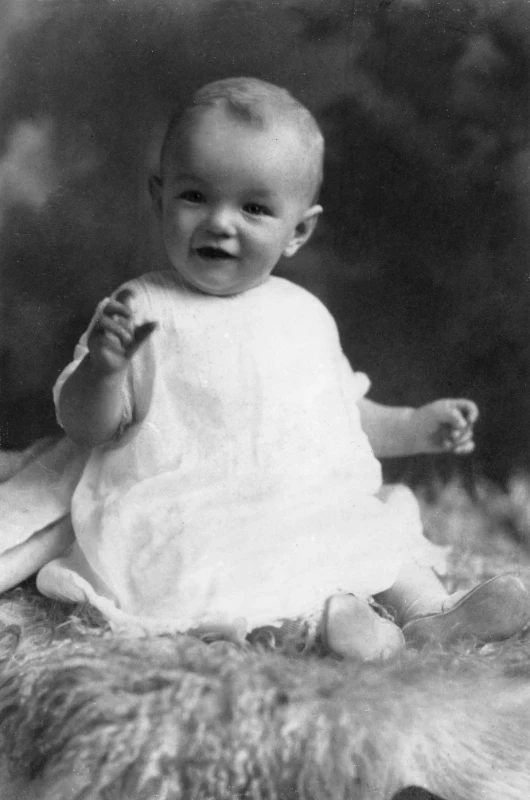
Monroe as an infant, c. 1927
Monroe’s journey to stardom began in the early 1940s when she started modeling to support herself. Her striking beauty and unique look quickly caught the attention of photographers and advertisers. In 1946, she signed a contract with 20th Century Fox, marking the beginning of her acting career. Initially, Monroe appeared in minor roles, but her presence and talent soon began to make an impact.

Monroe posing as a pin-up model for a postcard photograph, c. 1940s
Monroe’s breakthrough came with her role in the film “Gentlemen Prefer Blondes” (1953), where she starred alongside Jane Russell. Her performance as the bubbly and seductive Lorelei Lee showcased her comedic timing and screen presence, earning her critical acclaim and a wider audience. This was followed by “How to Marry a Millionaire”, which further solidified her status as a leading actress and sex symbol.
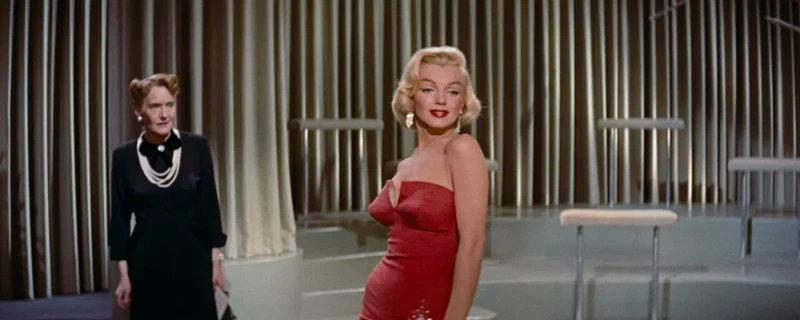
A still from How to Marry a Millionaire
One of Monroe’s most iconic roles came in “The Seven Year Itch” (1955), where she played the neighbor who tempts a married man. The famous scene of Monroe standing over a subway grate, her white dress billowing in the wind, became an enduring image of her career and contributed to her lasting fame.
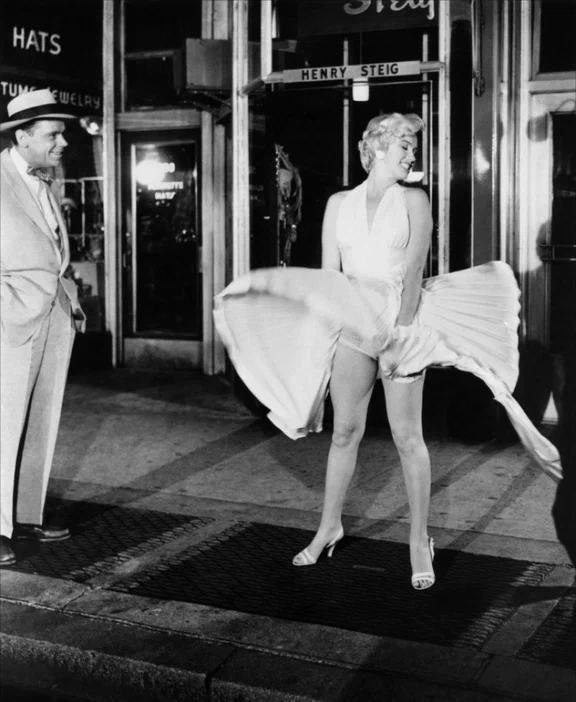
Great scene from the movie
Despite her image as a blonde bombshell, Monroe was a versatile actress who sought to challenge herself and break free from typecasting. She worked with some of the greatest directors of her time, including Billy Wilder and Joseph Mankiewicz, who recognized her talent and potential.
In “Some Like It Hot” (1959), Monroe delivered a nuanced performance alongside Jack Lemmon and Tony Curtis. Her portrayal of Sugar Kane, a sultry singer with a vulnerable side, demonstrated her range as an actress and her ability to balance comedy and drama. The film is now considered a classic and one of the funniest films ever made.
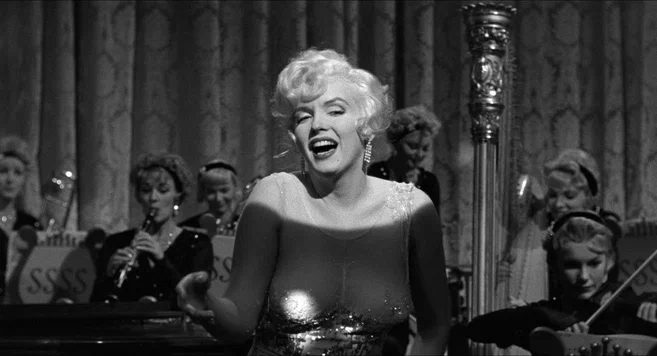
Famous scene in the movie
Monroe’s later films, such as “The Misfits” (1961), showcased her growth as an actress. Directed by John Huston and co-starring Clark Gable and Montgomery Clift, the film explored themes of loneliness and the search for identity. Monroe’s performance was praised for its depth and emotional resonance, offering a glimpse into her potential as a serious actress.
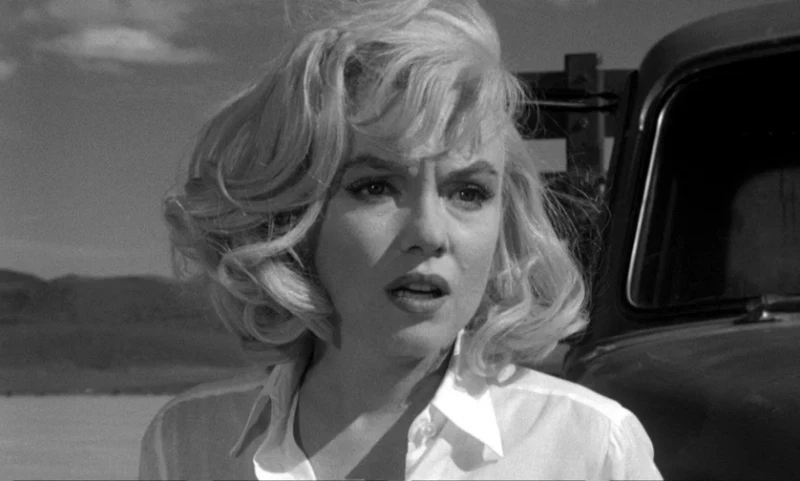
A still from The Misfits
Monroe’s personal life was often as tumultuous as her upbringing. She married three times, including briefly to baseball legend Joe DiMaggio and playwright Arthur Miller. Her marriages and relationships were marked by challenges and heartbreak, reflecting her struggles with self-esteem and emotional well-being.
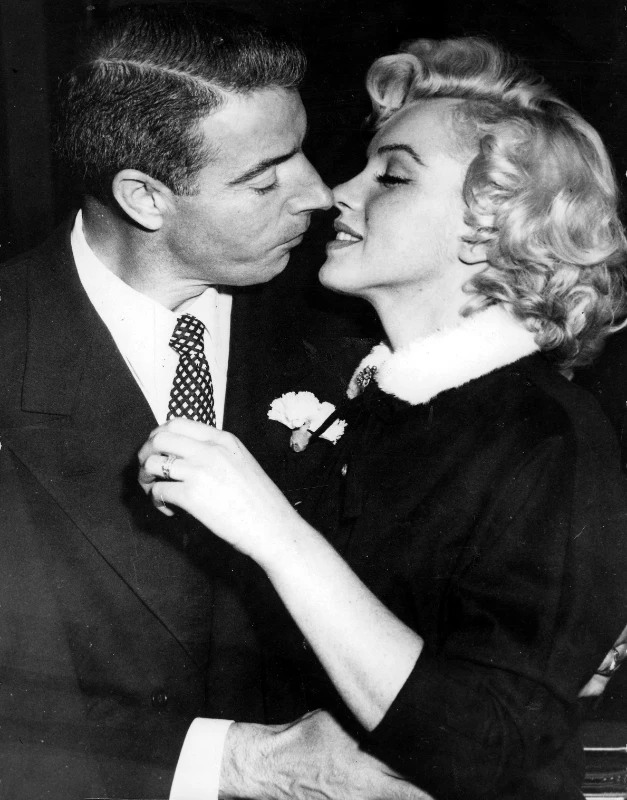
Monroe and Joe DiMaggio shortly after their wedding, January 1954
Off-screen, Monroe battled with depression, anxiety, and substance abuse. Her public image as a carefree sex symbol masked the inner turmoil she faced. Despite her success, Monroe often felt misunderstood and struggled to reconcile her public persona with her private self.
In the early 1960s, Monroe continued to work on films, but her career was marred by delays and controversies. Her final completed film, “Something’s Got to Give” (1962), was released posthumously and featured her in a more mature and sophisticated role. The film highlighted her evolution as an actress and her potential for more complex characters.
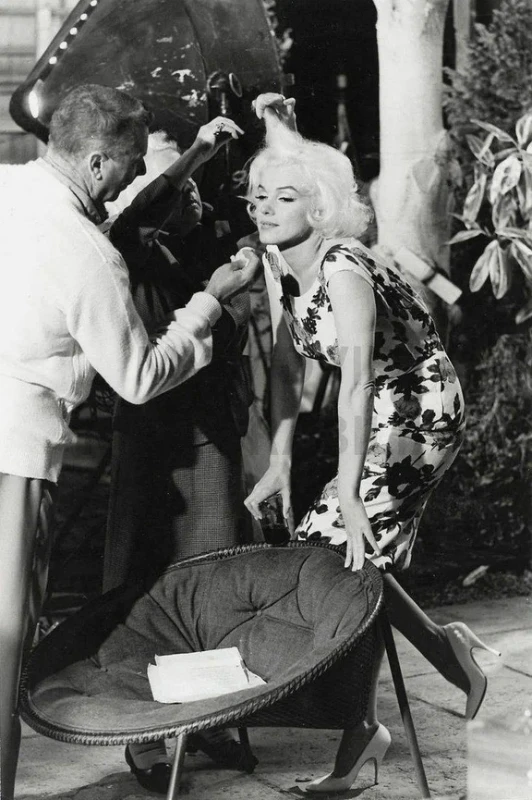
Photo from the movie set
Tragically, Monroe’s life was cut short on August 5, 1962, when she was found dead at her home in Los Angeles. Her death remains shrouded in mystery and speculation, adding to her enduring fascination and legend.

Monroe's house at 12305 Fifth Helena Drive in Los Angeles
Marilyn Monroe’s legacy extends far beyond her acting career. She is remembered as a symbol of beauty, sex appeal, and the complexities of fame. Her impact on popular culture is immeasurable, influencing generations of actresses and continuing to captivate audiences around the world.
Marilyn Monroe’s journey to becoming a Hollywood icon was marked by her talent, resilience, and unique charm. Despite the challenges she faced both personally and professionally, she left an indelible mark on the film industry and popular culture. Her performances continue to be celebrated for their depth, humor, and emotional resonance, ensuring that her legacy endures long after her untimely death. Marilyn Monroe remains a timeless figure, whose influence continues to be felt in the world of entertainment and beyond.
Have you seen any Marilyn Monroe movies?0
Snow White and the Seven Dwarfs, released in 1937 by Walt Disney Productions, is not just a beloved children’s film but a groundbreaking achievement in the history of animation. It marked the first full-length animated feature film and set a new standard for storytelling, artistry, and technical innovation in animation.
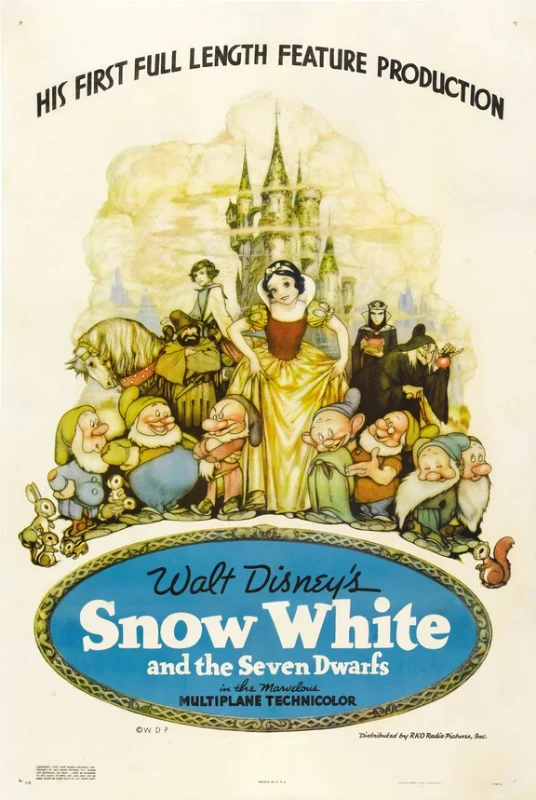
Cartoon poster
One of the most significant contributions of Snow White to animation is the development and use of innovative techniques that enhanced the quality and realism of animated films. The multiplane camera, a device that allowed for the layering of artwork and backgrounds, was used extensively in Snow White. This technique created a sense of depth and dimension that was previously unachievable in animation, making the scenes more visually engaging and immersive.
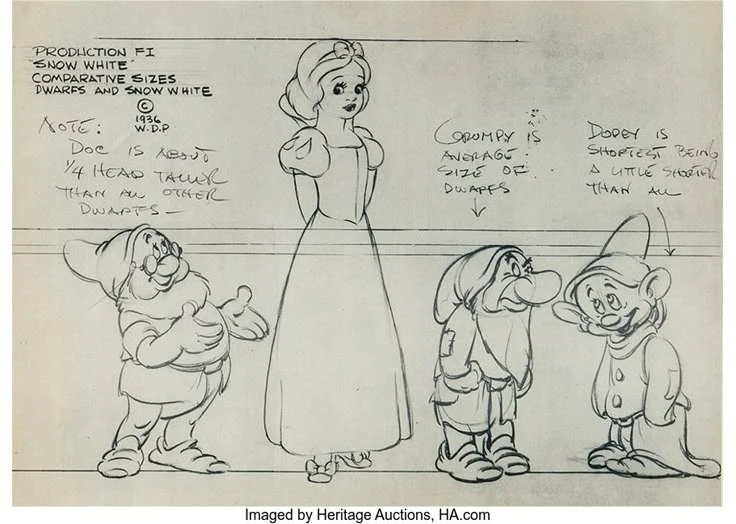
Snow White's storyboard
Additionally, the film employed the use of live-action reference footage to help animators capture realistic movements and expressions. This method, known as rotoscoping, ensured that the characters’ actions were fluid and lifelike, contributing to the overall believability of the story.
Snow White also set a new standard for storytelling in animation. The film featured a complex narrative with well-developed characters, each with their own personalities and motivations. The character of Snow White herself became an iconic figure in popular culture, known for her kindness, bravery, and resilience.
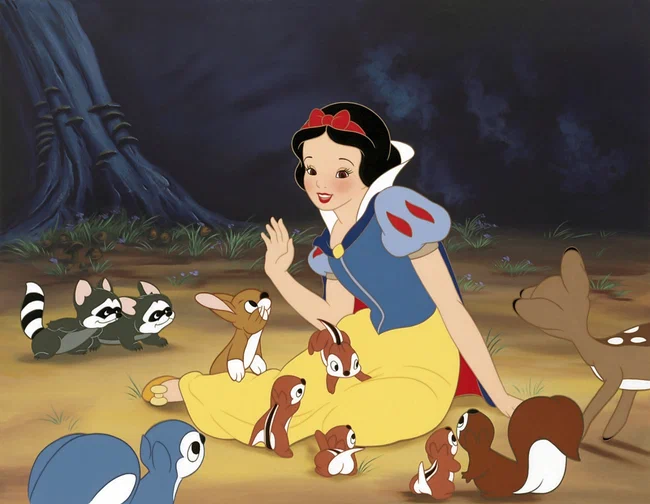
The famous scene with Snow White
The film’s use of music and song to advance the plot and express characters’ emotions was also innovative. The songs in Snow White, such as “Whistle While You Work” and “Some Day My Prince Will Come,” became instantly recognizable and helped to establish the tradition of musical numbers in animated films.
The success of Snow White had a profound impact on the animation industry. It proved that animated films could be financially successful and appeal to a wide audience, paving the way for future animated features. The film’s technical achievements and storytelling innovations inspired animators and filmmakers for decades to come, influencing the development of animated films and television shows.
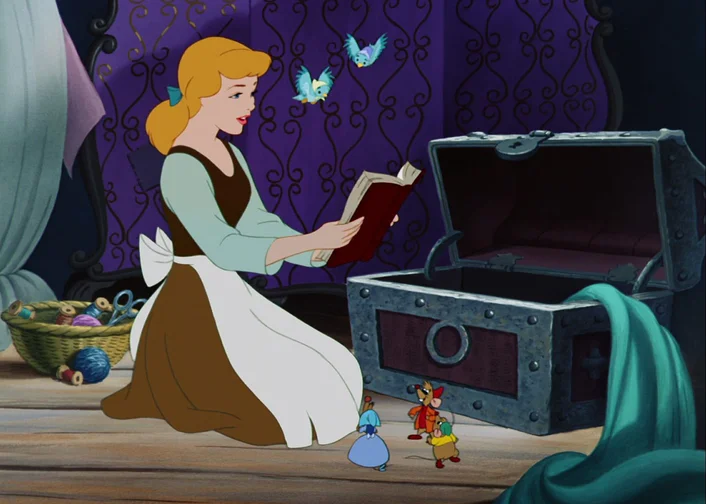
A still from 1949's Cinderella
Moreover, Snow White helped to establish Walt Disney as a leader in the animation industry. The company’s commitment to innovation and quality set a high standard for animated productions, and Disney continued to push the boundaries of animation with subsequent films like Pinocchio, Fantasia, and Bambi.
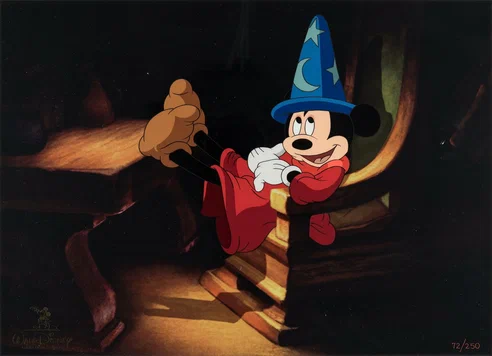
A still from the monumental Fantasia
In conclusion, Snow White and the Seven Dwarfs was a revolutionary film that changed the landscape of animation. Its innovative techniques, compelling storytelling, and memorable characters set a new standard for the industry and paved the way for the animated films we know and love today. Snow White will always be remembered as a landmark achievement in the history of animation, inspiring generations of animators and audiences alike.
Have you seen Snow White?0
«Euphoria», the groundbreaking HBO series created by Sam Levinson, has quickly risen to the top of the list of must-watch shows for many viewers. This series stands out not only for its stunning visual style but also for its deep and honest exploration of the complex issues faced by teenagers today. Here are several reasons why «Euphoria» is considered one of the best series of our time.
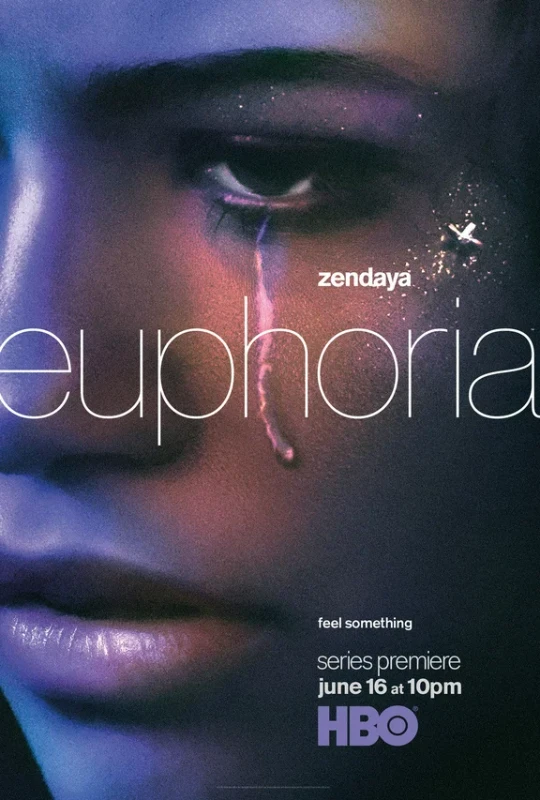
Series poster
First and foremost, «Euphoria» excels in its realistic portrayal of the struggles and challenges that young people face. The characters are multi-dimensional and relatable, each dealing with their own unique set of problems, from substance abuse and mental health issues to identity crises and relationship struggles. This authenticity resonates with viewers, making the series feel more like a mirror reflecting the harsh realities of adolescence rather than mere entertainment.
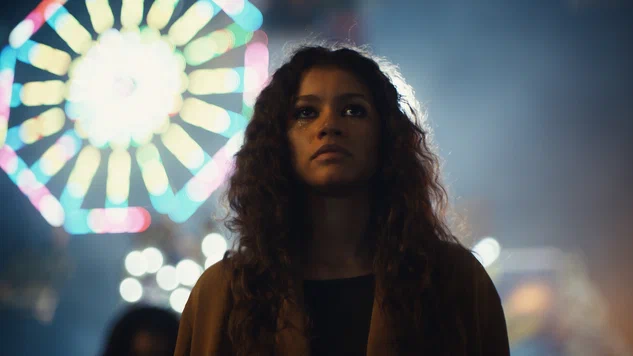
Rue Bennett is the protagonist of a series
The visual style of «Euphoria» is another aspect that sets it apart. The series is a feast for the eyes, with its vibrant and often surreal cinematography, bold color palettes, and innovative use of special effects. Each episode is meticulously crafted to create a visually stunning experience that complements the emotional intensity of the storylines. This aesthetic appeal helps to immerse viewers in the world of the characters, making the viewing experience all the more captivating.

The famous scene with Jules
Moreover, the soundtrack of «Euphoria» plays a crucial role in enhancing the mood and atmosphere of the series. The music selection is eclectic and spot-on, ranging from pulsating electronic beats to introspective indie tracks. The soundtrack not only complements the visual style but also adds depth to the emotional journeys of the characters, creating a more immersive and impactful viewing experience.
The performances in «Euphoria» are another highlight. The cast delivers powerful and nuanced portrayals of their characters, bringing depth and authenticity to their roles. Actors like Zendaya, who plays the lead character Rue Bennett, deliver performances that are both raw and vulnerable, making it easy for viewers to connect with the characters on a personal level.

Rue with her little sistar
Finally, «Euphoria» tackles difficult and often taboo subjects with sensitivity and honesty. The series does not shy away from addressing issues such as addiction, mental health, sexuality, and trauma. By bringing these topics to the forefront, «Euphoria» not only entertains but also educates and raises awareness, making it a valuable contribution to the cultural conversation about the challenges faced by young people today.
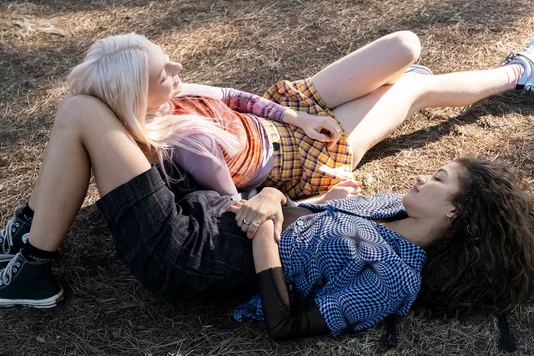
Rue Bennett and Jules Vaughn.
In conclusion, «Euphoria» stands out as one of the best series of our time due to its realistic portrayal of teenage struggles, stunning visual style, compelling soundtrack, powerful performances, and its willingness to tackle difficult subjects. It is a series that not only entertains but also provokes thought and discussion, making it a must-watch for anyone interested in contemporary television.
Have you seen Euphoria?0

