Snow White and the Seven Dwarfs, released in 1937 by Walt Disney Productions, is not just a beloved children’s film but a groundbreaking achievement in the history of animation. It marked the first full-length animated feature film and set a new standard for storytelling, artistry, and technical innovation in animation.
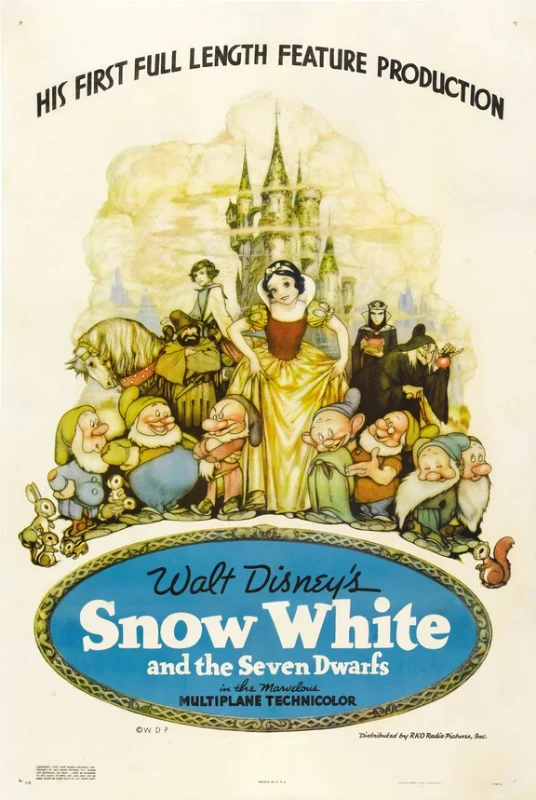
Cartoon poster
One of the most significant contributions of Snow White to animation is the development and use of innovative techniques that enhanced the quality and realism of animated films. The multiplane camera, a device that allowed for the layering of artwork and backgrounds, was used extensively in Snow White. This technique created a sense of depth and dimension that was previously unachievable in animation, making the scenes more visually engaging and immersive.
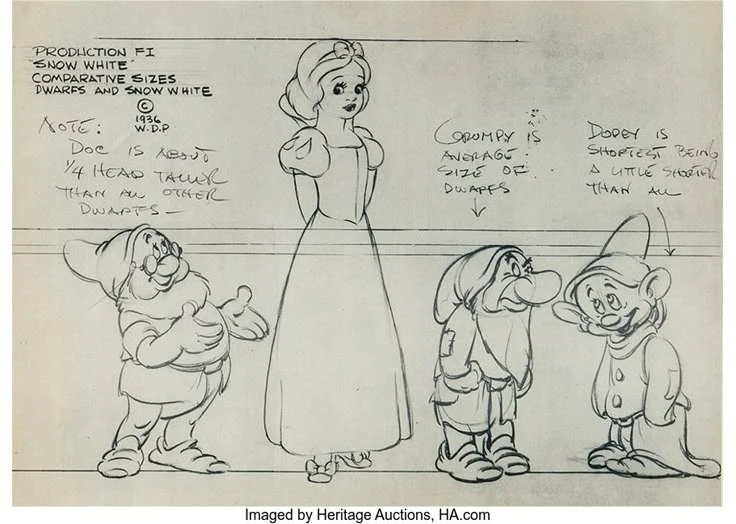
Snow White's storyboard
Additionally, the film employed the use of live-action reference footage to help animators capture realistic movements and expressions. This method, known as rotoscoping, ensured that the characters’ actions were fluid and lifelike, contributing to the overall believability of the story.
A good example of rotoscoping
Snow White also set a new standard for storytelling in animation. The film featured a complex narrative with well-developed characters, each with their own personalities and motivations. The character of Snow White herself became an iconic figure in popular culture, known for her kindness, bravery, and resilience.

The famous scene with Snow White
The film’s use of music and song to advance the plot and express characters’ emotions was also innovative. The songs in Snow White, such as “Whistle While You Work” and “Some Day My Prince Will Come,” became instantly recognizable and helped to establish the tradition of musical numbers in animated films.
Excerpt with the song
The success of Snow White had a profound impact on the animation industry. It proved that animated films could be financially successful and appeal to a wide audience, paving the way for future animated features. The film’s technical achievements and storytelling innovations inspired animators and filmmakers for decades to come, influencing the development of animated films and television shows.
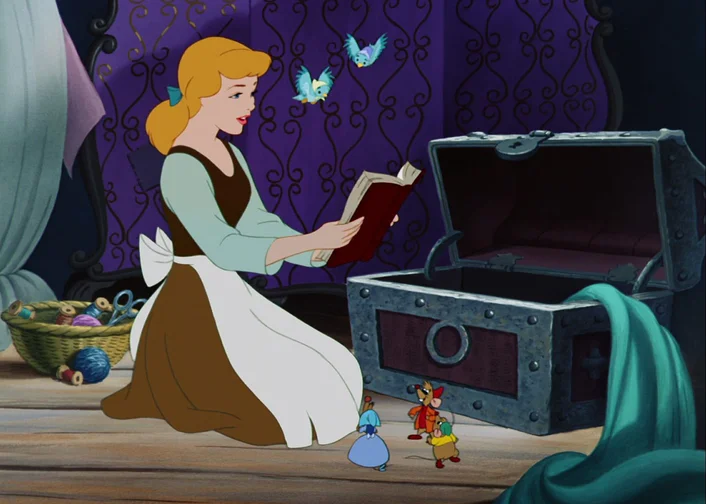
A still from 1949's Cinderella
Moreover, Snow White helped to establish Walt Disney as a leader in the animation industry. The company’s commitment to innovation and quality set a high standard for animated productions, and Disney continued to push the boundaries of animation with subsequent films like Pinocchio, Fantasia, and Bambi.

A still from the monumental Fantasia
In conclusion, Snow White and the Seven Dwarfs was a revolutionary film that changed the landscape of animation. Its innovative techniques, compelling storytelling, and memorable characters set a new standard for the industry and paved the way for the animated films we know and love today. Snow White will always be remembered as a landmark achievement in the history of animation, inspiring generations of animators and audiences alike.
Have you seen Snow White?0


Share:
Bestcomments (0)
There are no comments for this post yet. Want to leave the first one?