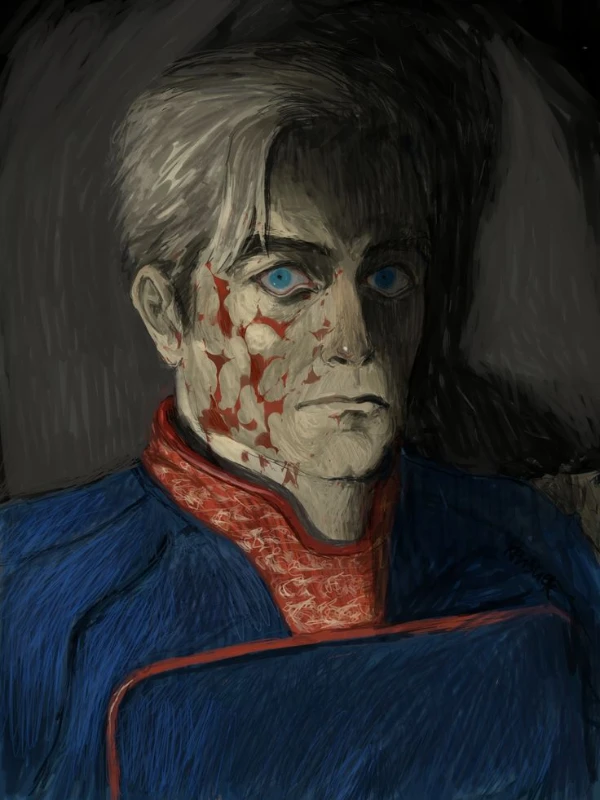
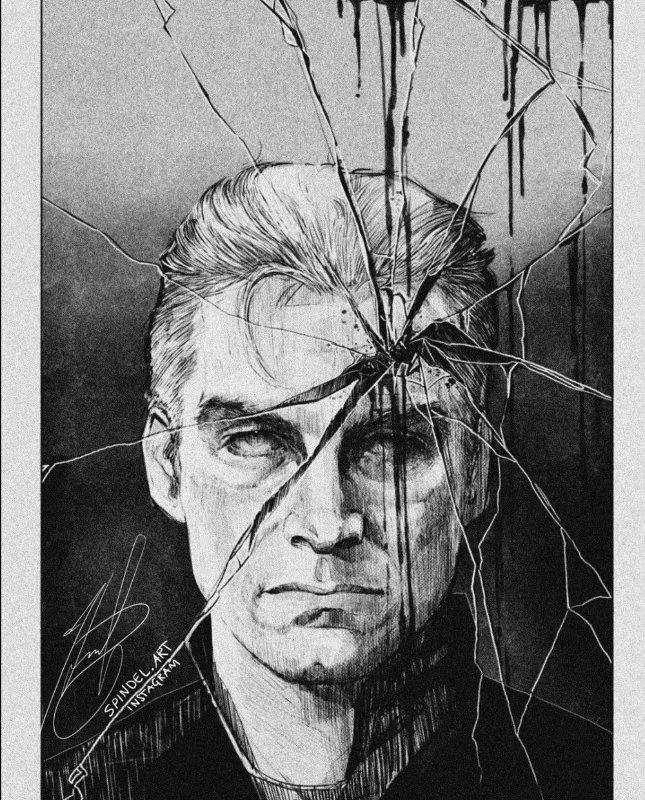
January- Song Wei Long

February- Song-kang

March-Luo Yun Xi

April- Park-Seo-Joon

May-Ding Yu Xi

June-Yeon-Woo-jin

July-Cha Hak-yeon

August-Li Xian

September-Chen Zhe Yuan

October- Cha Eun- woo

November-Zhang Zhe Han

December- Hwang In-Youp

Are you happy with the actor you got?3
The story revolves around Lim Joo Kyung— an ordinary schoolgirl who has endured ridicule since childhood because of her appearance. In her old school, she was called a "monster", she was an outcast who had no friends, but only errands from "cool" girls.
The turning point comes when her family moves away, and Joo Kyung gets a chance to start over. She learns the art of makeup through video tutorials and turns into the "goddess" of the school. But behind the veneer lies a panicked fear.: What would happen if everyone saw her real face?
The plot centers on the confrontation between two charismatic guys who were once best friends, but became enemies due to a tragedy in the past.
The drama is much deeper than just a story about cosmetics:
The final message of the drama is that makeup is just a tool to feel more confident, but real beauty "blossoms" only when a person stops hiding.

Were you interested or not0
Silent films, which dominated the cinema from its inception until the late 1920s, offer a unique and captivating glimpse into the early days of filmmaking. They are not just historical artifacts but also a testament to the creativity and innovation of early filmmakers. If you’re new to silent films and wondering where to start, this guide will introduce you to the genres, key films, notable actors, and directors that defined this era.
Silent films are movies without synchronized recorded sound. Dialogue, emotion, and action are conveyed through title cards, gestures, facial expressions, and body language. The lack of sound might seem limiting, but it forced filmmakers to be more creative with visual storytelling, leading to the development of many techniques still used in filmmaking today.
Silent films spanned a wide range of genres, each with its own characteristics and masterpieces.
1. Comedy
Description: Comedy was one of the most popular genres in silent films. It often relied on physical humor and slapstick, making it accessible to audiences worldwide.
Key Films:
Notable Actors: Charlie Chaplin, Buster Keaton, Harold Lloyd.

Famous scene from the movie Safety Last!
Description: Silent dramas often explored serious themes and emotional depth, relying heavily on acting and storytelling to convey their messages.
Key Films:
Notable Actors: Lillian Gish, Lon Chaney, Greta Garbo.

Brigitte Helm in Metropolis
Description: Horror films in the silent era laid the groundwork for the genre, using visual storytelling to create suspense and fear.
Key Films:
Notable Actors: Max Schreck, Conrad Veidt.

Max Schreck as Nosferatu
* * *
Silent films were home to some of the most innovative and visionary directors in cinema history. Their work not only defined the era but also laid the groundwork for future filmmaking techniques.
Notable Works: The Kid (1921), The Immigrant (1917), City Lights (1931)
Style: Known for his iconic Tramp character, Chaplin’s films blend humor, pathos, and social commentary, making them both entertaining and thought-provoking.
Notable Works: The General (1926), Sherlock, Jr. (1924), Steamboat Bill, Jr. (1928)
Style: Keaton’s films are celebrated for their physical comedy and intricate visual gags, often showcasing his remarkable stunts and deadpan expression.
Notable Works: Metropolis (1927), Der müde Tod (1921), Die Nibelungen (1924)
Style: Lang’s films are known for their grand scale, complex narratives, and innovative use of special effects, particularly in the genres of science fiction and epic drama.
Notable Works: Nosferatu, A Symphony of Horror (1922), Sunrise: A Song of Two Humans (1927)
Style: Murnau’s films are noted for their atmospheric storytelling, expressive cinematography, and pioneering use of lighting and shadow.
Notable Works: Birth of a Nation (1915), Intolerance (1916)
Style: Griffith is often credited with advancing the language of cinema through his use of narrative techniques, editing, and visual storytelling, though his work is also controversial due to its themes and portrayals.
* * *
Starting to explore silent films can be an enriching experience that deepens your appreciation for the art of filmmaking. By understanding the genres, key films, notable actors, and directors of the era, you can embark on a journey through the early days of cinema and discover the roots of many storytelling techniques used in films today.
The King Kong franchise has been a staple of popular culture for nearly a century, captivating audiences with its tale of a giant ape and his tragic encounters with humanity. From the original 1933 classic to the numerous remakes, spin-offs, and crossovers, King Kong has become a cultural icon. However, despite its enduring popularity, the franchise is often overrated, relying on nostalgia and spectacle rather than meaningful storytelling or innovation. Here’s why King Kong fails to live up to its legendary status.
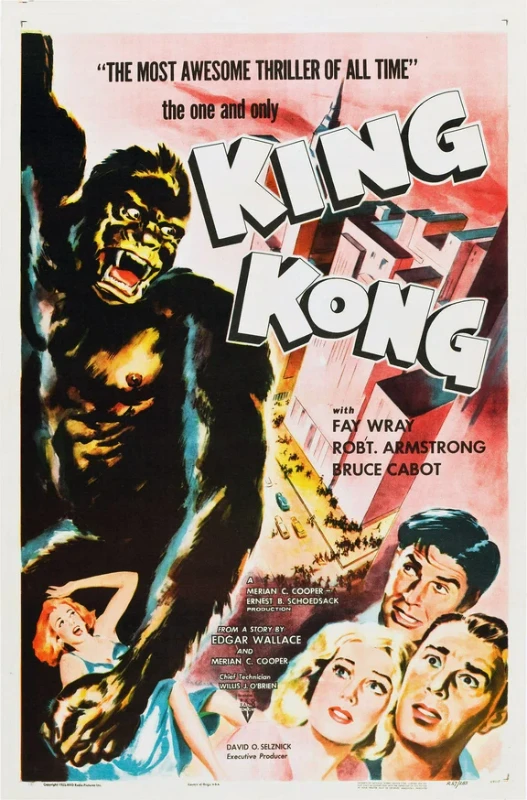
The following is a reproduction of the original movie poster
At its core, the King Kong story is simple: a giant ape is discovered, brought to civilization, and ultimately meets a tragic end. While this formula worked well in the original 1933 film, subsequent iterations have struggled to bring anything new to the table. The narrative has become predictable, with little room for character development or thematic depth. Each remake retreads the same ground, offering little more than updated special effects and a bigger budget. The lack of innovation makes the franchise feel stagnant, especially when compared to other long-running series that have evolved over time.
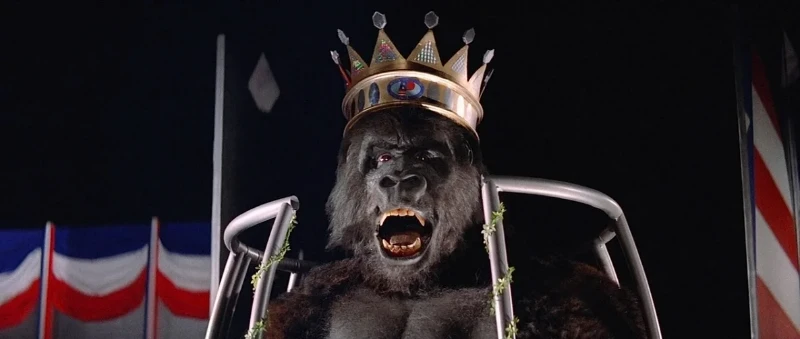
King Kong 1976
King Kong has always been a visual spectacle, from the groundbreaking stop-motion animation of the original to the CGI-heavy modern adaptations. However, the franchise often prioritizes spectacle over substance. While impressive visuals can enhance a film, they cannot compensate for weak storytelling or underdeveloped characters. Many King Kong films focus on grandiose action sequences and destruction, leaving little room for emotional engagement or meaningful commentary. As a result, the films often feel hollow, relying on shock value rather than genuine storytelling.
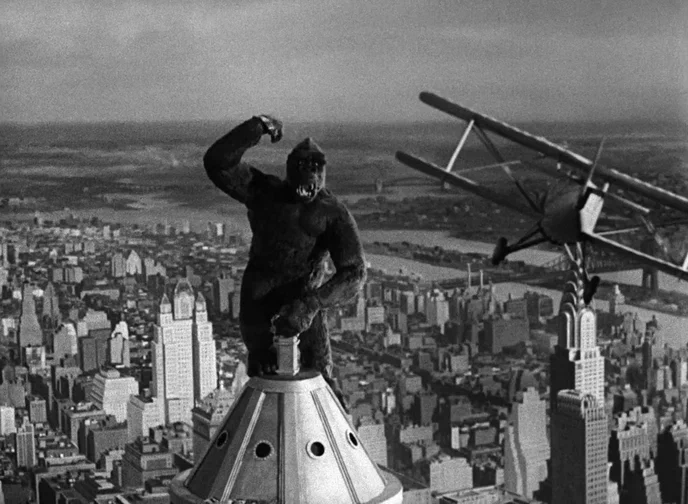
This scene is widely regarded as a quintessential example of cinematic excellence, representing a seminal moment in the original movie.
One of the biggest flaws of the King Kong franchise is its shallow characterization. Kong himself is often portrayed as a tragic figure, but his motivations and personality are rarely explored in depth. Similarly, human characters are frequently reduced to stereotypes, such as the ambitious filmmaker, the damsel in distress, or the greedy businessman. This lack of complexity makes it difficult for audiences to connect with the characters on a deeper level. In contrast, other monster franchises, such as Godzilla, have managed to create more nuanced characters and explore themes of humanity, morality, and environmentalism.
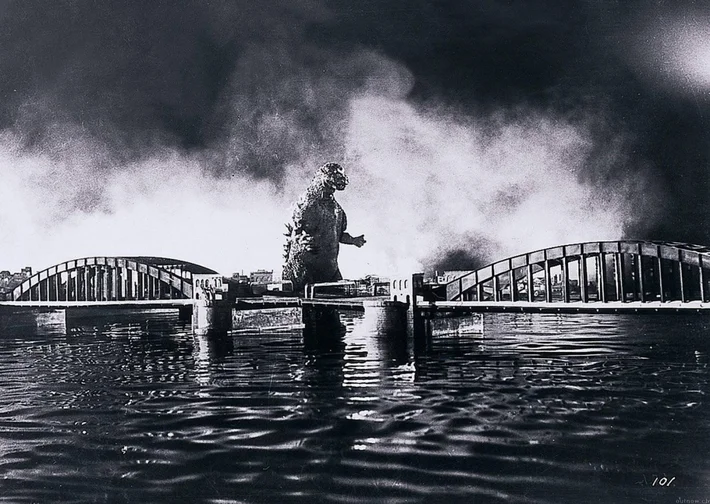
This image is a still from the 1954 film Godzilla
The King Kong story has the potential to address important social and environmental issues, such as humanity’s exploitation of nature, colonialism, and the consequences of unchecked ambition. However, the franchise has largely failed to capitalize on these themes. While some films have touched on these ideas, they are often overshadowed by the focus on action and spectacle. As a result, the franchise misses an opportunity to resonate with contemporary audiences and contribute to meaningful conversations about the world we live in.
With numerous films, TV shows, and crossovers (such as the MonsterVerse), King Kong has become overexposed. The constant reboots and reimaginings have diluted the impact of the original story, leading to franchise fatigue. Audiences are growing tired of seeing the same story told over and over again, with little variation or innovation. This overexposure has diminished the cultural significance of King Kong, turning what was once a groundbreaking tale into a repetitive and uninspired franchise.
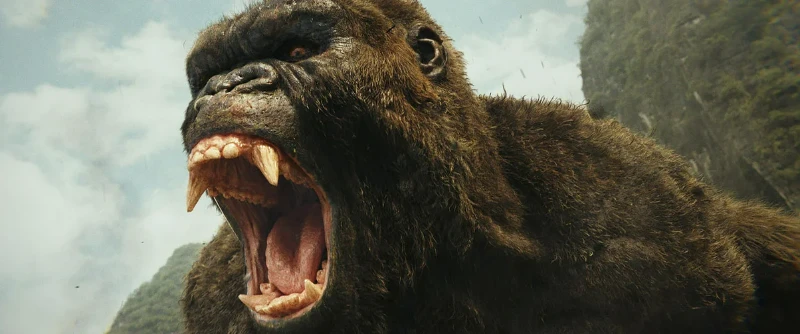
This image is a still from Kong: Skull Island
When compared to other monster franchises, such as Godzilla or Jurassic Park, King Kong falls short. These franchises have managed to evolve over time, introducing new characters, exploring deeper themes, and pushing the boundaries of storytelling. In contrast, King Kong remains stuck in the past, relying on nostalgia and spectacle rather than embracing change. This lack of evolution has made the franchise feel outdated, especially in an era where audiences demand more from their entertainment.
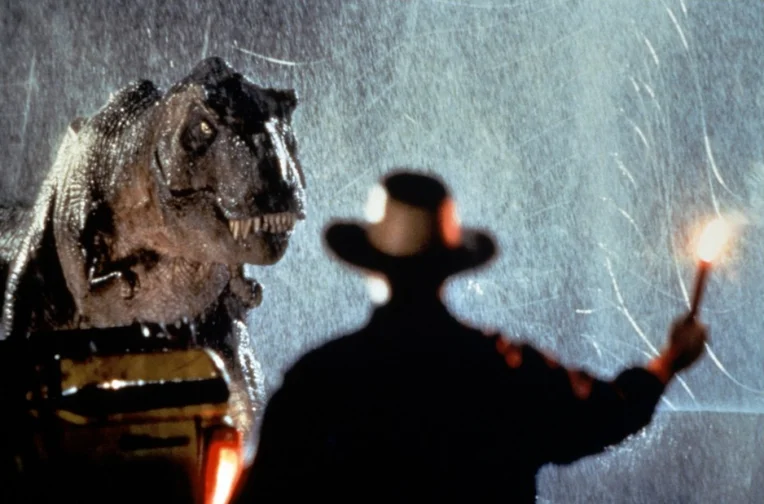
This is a still from the film Jurassic Park
* * *
While King Kong remains a beloved cultural icon, the franchise is undeniably overrated. Its repetitive storytelling, overreliance on spectacle, and lack of character depth have prevented it from reaching its full potential. Instead of evolving with the times, the franchise has become stagnant, relying on nostalgia and visual effects to carry its legacy. For King Kong to remain relevant, it must embrace innovation, explore new themes, and take risks. Until then, the franchise will continue to be a shadow of its former self, remembered more for its past achievements than its present contributions to cinema.
Do you like King Kong?1