Scroll to top

Judgment at Nuremberg

[URAN]Montecarlo

How to Start Watching Silent Films: A Comprehensive Guide

Silent films, which dominated the cinema from its inception until the late 1920s, offer a unique and captivating glimpse into the early days of filmmaking. They are not just historical artifacts but also a testament to the creativity and innovation of early filmmakers. If you’re new to silent films and wondering where to start, this guide will introduce you to the genres, key films, notable actors, and directors that defined this era.

Understanding Silent Films

Silent films are movies without synchronized recorded sound. Dialogue, emotion, and action are conveyed through title cards, gestures, facial expressions, and body language. The lack of sound might seem limiting, but it forced filmmakers to be more creative with visual storytelling, leading to the development of many techniques still used in filmmaking today.

Genres in Silent Films

Silent films spanned a wide range of genres, each with its own characteristics and masterpieces.

1. Comedy

Description: Comedy was one of the most popular genres in silent films. It often relied on physical humor and slapstick, making it accessible to audiences worldwide.

Key Films:

  • The Kid (1921) directed by Charlie Chaplin: A heartwarming tale of a young boy and a tramp who form an unlikely bond.
  • Safety Last! (1923) directed by Fred C. Newmeyer and Sam Taylor: Known for its iconic rooftop chase scene, this film is a classic example of silent comedy.

Notable Actors: Charlie Chaplin, Buster Keaton, Harold Lloyd.
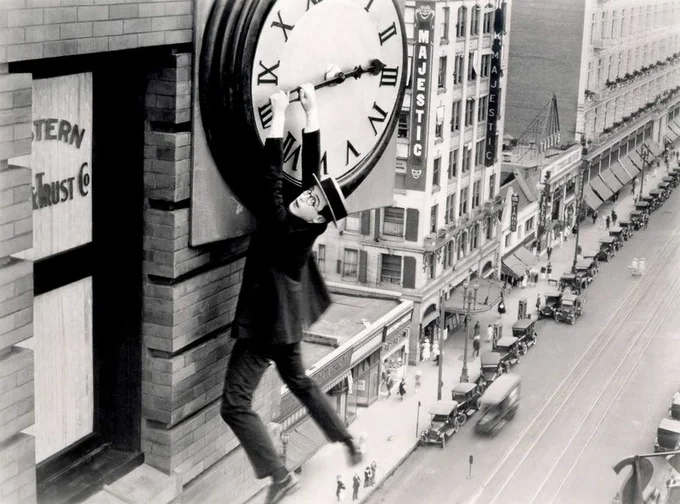
Famous scene from the movie Safety Last!

Famous scene from the movie Safety Last!

2. Drama

Description: Silent dramas often explored serious themes and emotional depth, relying heavily on acting and storytelling to convey their messages.

Key Films:

  • The Immigrant (1917) directed by Charlie Chaplin: A poignant drama about the struggles of immigration, blending humor and pathos.
  • Metropolis (1927) directed by Fritz Lang: A groundbreaking science fiction film that explores themes of class struggle and industrialization.

Notable Actors: Lillian Gish, Lon Chaney, Greta Garbo.
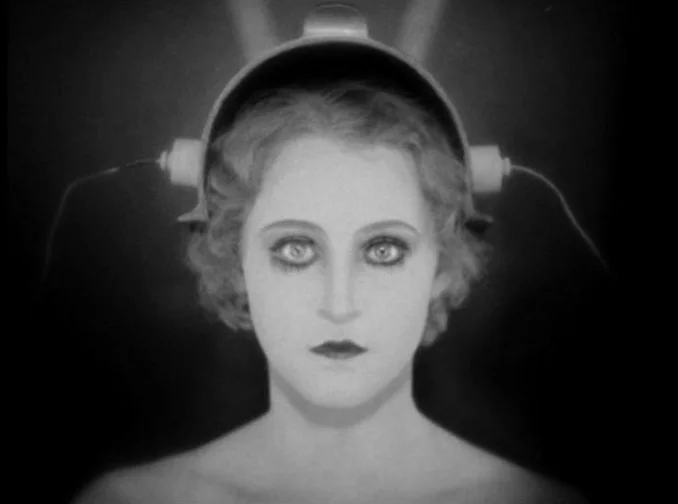
Brigitte Helm in Metropolis

Brigitte Helm in Metropolis

3. Horror

Description: Horror films in the silent era laid the groundwork for the genre, using visual storytelling to create suspense and fear.

Key Films:

Notable Actors: Max Schreck, Conrad Veidt.
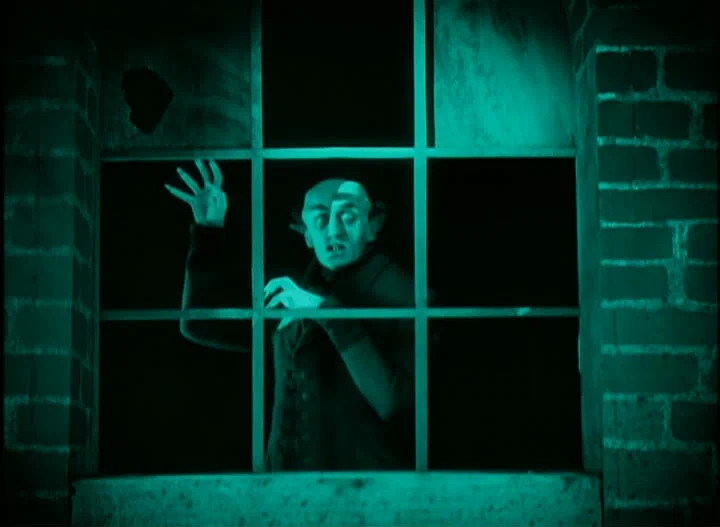
Max Schreck as Nosferatu

Max Schreck as Nosferatu

* * *

Notable Directors

Silent films were home to some of the most innovative and visionary directors in cinema history. Their work not only defined the era but also laid the groundwork for future filmmaking techniques.

1. Charlie Chaplin

Notable Works: The Kid (1921), The Immigrant (1917), City Lights (1931)

Style: Known for his iconic Tramp character, Chaplin’s films blend humor, pathos, and social commentary, making them both entertaining and thought-provoking.

2. Buster Keaton

Notable Works: The General (1926), Sherlock, Jr. (1924), Steamboat Bill, Jr. (1928)

Style: Keaton’s films are celebrated for their physical comedy and intricate visual gags, often showcasing his remarkable stunts and deadpan expression.

3. Fritz Lang

Notable Works: Metropolis (1927), Der müde Tod (1921), Die Nibelungen (1924)

Style: Lang’s films are known for their grand scale, complex narratives, and innovative use of special effects, particularly in the genres of science fiction and epic drama.

4. F.W. Murnau

Notable Works: Nosferatu, A Symphony of Horror (1922), Sunrise: A Song of Two Humans (1927)

Style: Murnau’s films are noted for their atmospheric storytelling, expressive cinematography, and pioneering use of lighting and shadow.

5. D.W. Griffith

Notable Works: Birth of a Nation (1915), Intolerance (1916)

Style: Griffith is often credited with advancing the language of cinema through his use of narrative techniques, editing, and visual storytelling, though his work is also controversial due to its themes and portrayals.

* * *

Tips for Watching Silent Films

  1. Start with Short Films: Before diving into feature-length films, consider starting with shorter works to get a feel for the style and pacing of silent cinema.
  2. Pay Attention to Visuals: Since dialogue is absent, filmmakers relied heavily on visual storytelling. Pay close attention to facial expressions, body language, and the use of props and settings.
  3. Learn About the Context: Understanding the historical and cultural context of silent films can enhance your viewing experience. Research the time period, the filmmakers’ intentions, and the societal issues reflected in the films.
  4. Use Subtitles or Title Cards: While some silent films have been restored with intertitles (on-screen text that conveys dialogue or narration), others may require subtitles to fully understand the story. Make sure to use these tools to enhance your understanding.
  5. Watch with Others: Silent films can be a great shared experience. Watching with friends or family can enhance the enjoyment and provide different perspectives on the films.

Recommended Silent Films for Beginners

  1. The Kid (1921) directed by Charlie Chaplin: A heartwarming and humorous tale that showcases Chaplin’s talent for blending comedy and drama.
  2. Safety Last! (1923) directed by Fred C. Newmeyer and Sam Taylor: Known for its thrilling rooftop chase scene, this film is a classic example of silent comedy.
  3. Metropolis (1927) directed by Fritz Lang: A groundbreaking science fiction film that explores themes of class struggle and industrialization.
  4. Nosferatu, A Symphony of Horror (1922) directed by F.W. Murnau: An early and influential horror film that tells the story of a vampire.
  5. The Immigrant (1917) directed by Charlie Chaplin: A poignant drama about the struggles of immigration, blending humor and pathos.

Starting to explore silent films can be an enriching experience that deepens your appreciation for the art of filmmaking. By understanding the genres, key films, notable actors, and directors of the era, you can embark on a journey through the early days of cinema and discover the roots of many storytelling techniques used in films today.

Tags:MoviesActorsGuidePost
0
2
2
0comments
78views

Leave a comment

Before commenting, you need to sign in.

Bestcomments (0)

There are no comments for this post yet. Want to leave the first one?

Similar posts

The content of this post changes every day.

The most useful and funny cleaning device

Review of the Mascots 2024/2026

The Olympics has introduced mascots for the Olympics in Paris and Milan. I'll tell you what about them and how, why they are good, and maybe bad!

German expressionist cinema

In this post, I will discuss German Expressionist cinema and its significance as one of the most important movements in cinema.

All Tim Burton's films: from the worst to the best (10th‐1st places)

In the continuation of our rating, we will determine the best stories of the sad storyteller: from puppet animation to superheroics, from biography to the acclaimed series

Hello!

Hi/Hello! This is my very first post!

"What's going on here?" or a beginner's guide to Pikuco

Surrounded by countless buttons, leaderboards, and unfamiliar faces? Stay calm! We’re about to tell you what this place is all about and what you can do here—everyone will find something to enjoy!

The Best of the Best! August Digest 2026!

Welcome, readers, to the August edition of our monthly digest of the best works! Take a seat, you're sure to find something new and interesting!

We have a new member in the squad! [Squad Soulmates]

We have a new member, and I’d like to make a post about him :)

The Best of the Best! July Digest 2026!

Welcome, readers, to the July edition of our monthly digest of the best works! Take a seat, you're sure to find something new and interesting!