Marilyn Monroe, born Norma Jeane Mortenson on June 1, 1926, in Los Angeles, California, had a tumultuous upbringing that would later influence her life and career. Her mother, Gladys, struggled with mental health issues, which led to Monroe spending much of her childhood in foster homes and orphanages. This early instability shaped her resilience and determination, traits that would serve her well in the competitive world of Hollywood.
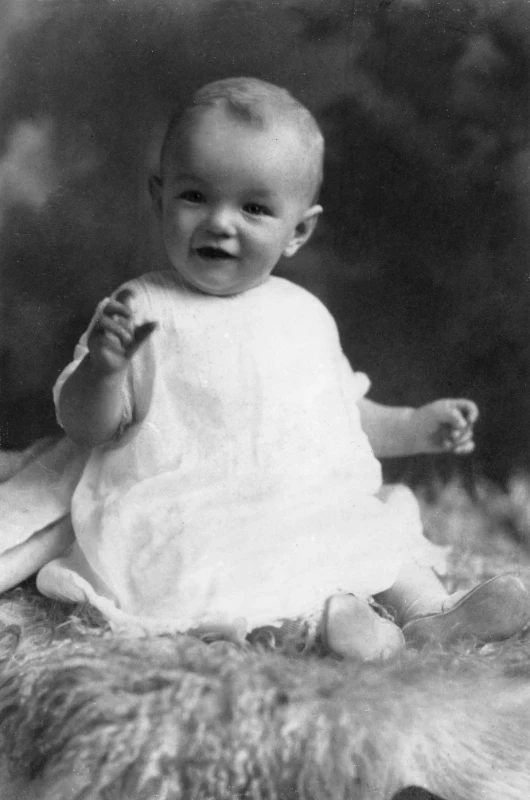
Monroe as an infant, c. 1927
Monroe’s journey to stardom began in the early 1940s when she started modeling to support herself. Her striking beauty and unique look quickly caught the attention of photographers and advertisers. In 1946, she signed a contract with 20th Century Fox, marking the beginning of her acting career. Initially, Monroe appeared in minor roles, but her presence and talent soon began to make an impact.
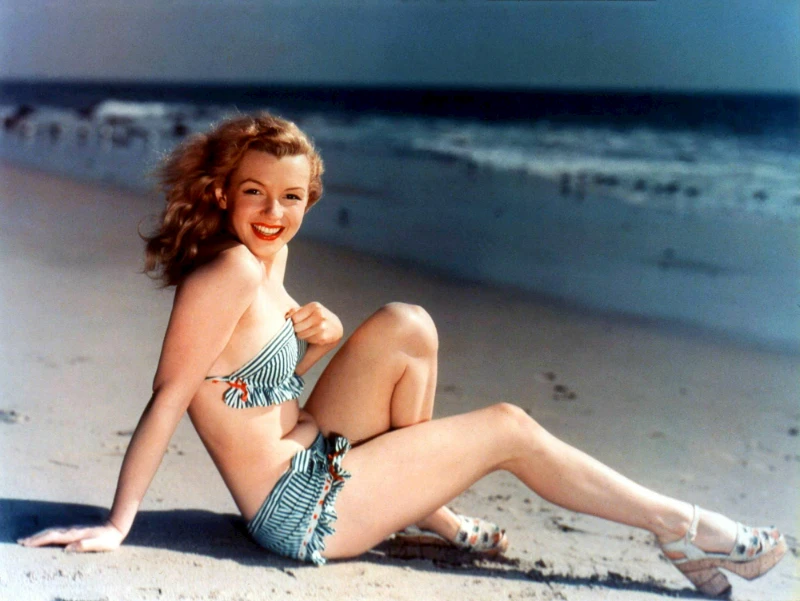
Monroe posing as a pin-up model for a postcard photograph, c. 1940s
Monroe’s breakthrough came with her role in the film “Gentlemen Prefer Blondes” (1953), where she starred alongside Jane Russell. Her performance as the bubbly and seductive Lorelei Lee showcased her comedic timing and screen presence, earning her critical acclaim and a wider audience. This was followed by “How to Marry a Millionaire”, which further solidified her status as a leading actress and sex symbol.
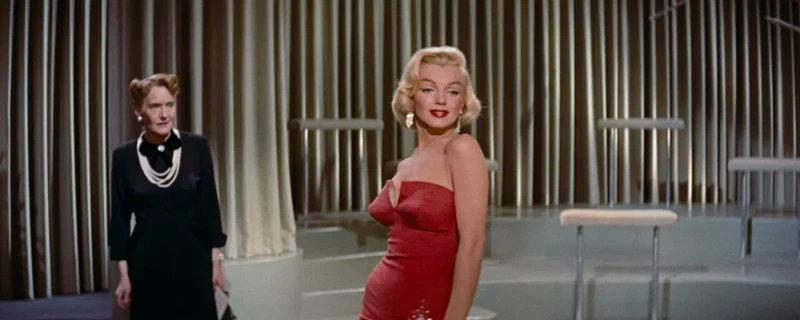
A still from How to Marry a Millionaire
One of Monroe’s most iconic roles came in “The Seven Year Itch” (1955), where she played the neighbor who tempts a married man. The famous scene of Monroe standing over a subway grate, her white dress billowing in the wind, became an enduring image of her career and contributed to her lasting fame.
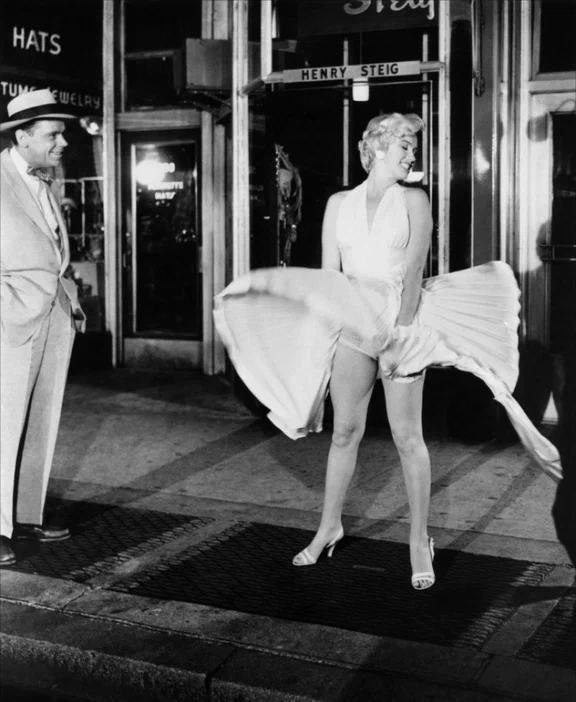
Great scene from the movie
Despite her image as a blonde bombshell, Monroe was a versatile actress who sought to challenge herself and break free from typecasting. She worked with some of the greatest directors of her time, including Billy Wilder and Joseph Mankiewicz, who recognized her talent and potential.
In “Some Like It Hot” (1959), Monroe delivered a nuanced performance alongside Jack Lemmon and Tony Curtis. Her portrayal of Sugar Kane, a sultry singer with a vulnerable side, demonstrated her range as an actress and her ability to balance comedy and drama. The film is now considered a classic and one of the funniest films ever made.
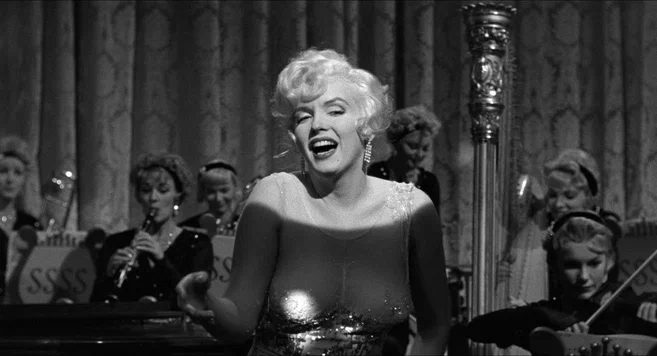
Famous scene in the movie
Monroe’s later films, such as “The Misfits” (1961), showcased her growth as an actress. Directed by John Huston and co-starring Clark Gable and Montgomery Clift, the film explored themes of loneliness and the search for identity. Monroe’s performance was praised for its depth and emotional resonance, offering a glimpse into her potential as a serious actress.
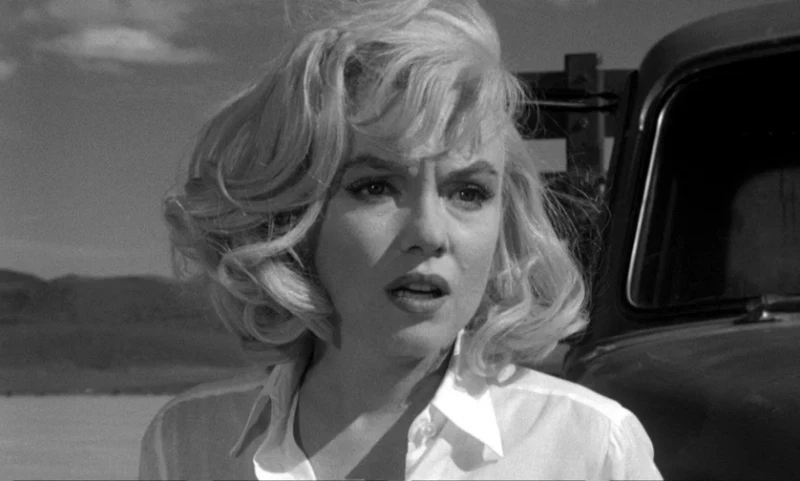
A still from The Misfits
Monroe’s personal life was often as tumultuous as her upbringing. She married three times, including briefly to baseball legend Joe DiMaggio and playwright Arthur Miller. Her marriages and relationships were marked by challenges and heartbreak, reflecting her struggles with self-esteem and emotional well-being.
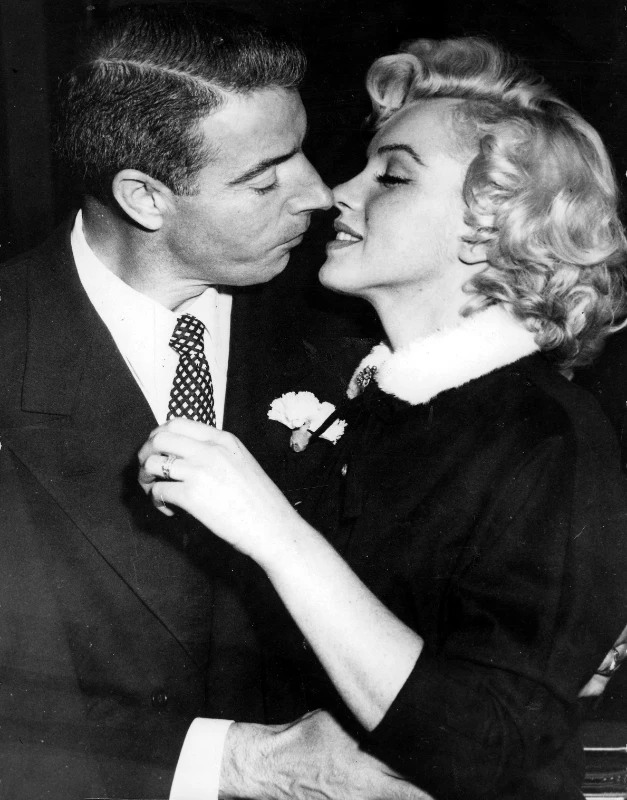
Monroe and Joe DiMaggio shortly after their wedding, January 1954
Off-screen, Monroe battled with depression, anxiety, and substance abuse. Her public image as a carefree sex symbol masked the inner turmoil she faced. Despite her success, Monroe often felt misunderstood and struggled to reconcile her public persona with her private self.
In the early 1960s, Monroe continued to work on films, but her career was marred by delays and controversies. Her final completed film, “Something’s Got to Give” (1962), was released posthumously and featured her in a more mature and sophisticated role. The film highlighted her evolution as an actress and her potential for more complex characters.
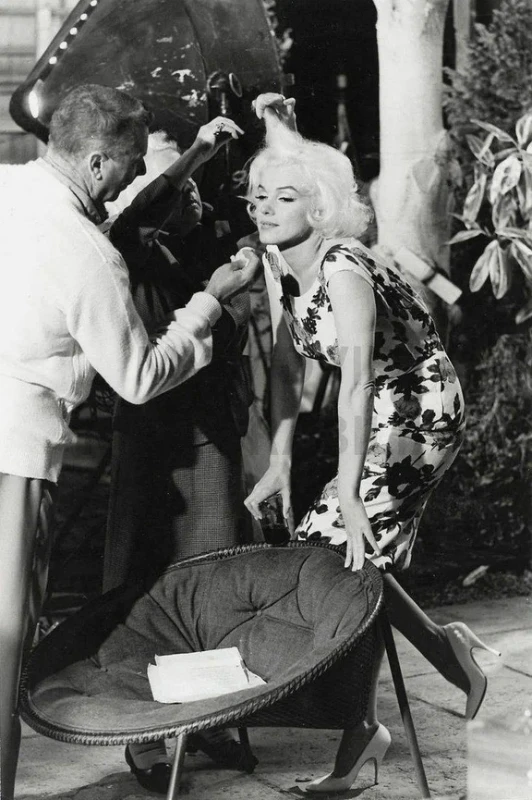
Photo from the movie set
Tragically, Monroe’s life was cut short on August 5, 1962, when she was found dead at her home in Los Angeles. Her death remains shrouded in mystery and speculation, adding to her enduring fascination and legend.

Monroe's house at 12305 Fifth Helena Drive in Los Angeles
Marilyn Monroe’s legacy extends far beyond her acting career. She is remembered as a symbol of beauty, sex appeal, and the complexities of fame. Her impact on popular culture is immeasurable, influencing generations of actresses and continuing to captivate audiences around the world.
Marilyn Monroe’s journey to becoming a Hollywood icon was marked by her talent, resilience, and unique charm. Despite the challenges she faced both personally and professionally, she left an indelible mark on the film industry and popular culture. Her performances continue to be celebrated for their depth, humor, and emotional resonance, ensuring that her legacy endures long after her untimely death. Marilyn Monroe remains a timeless figure, whose influence continues to be felt in the world of entertainment and beyond.
Have you seen any Marilyn Monroe movies?0
Marlene Dietrich transcended mere acting; she became a symbol. A carefully constructed persona, molded by Josef von Sternberg in films like The Blue Angel, cemented her image as a seductive, enigmatic woman. Her androgynous style, daring for the time, challenged gender norms and captivated audiences globally.
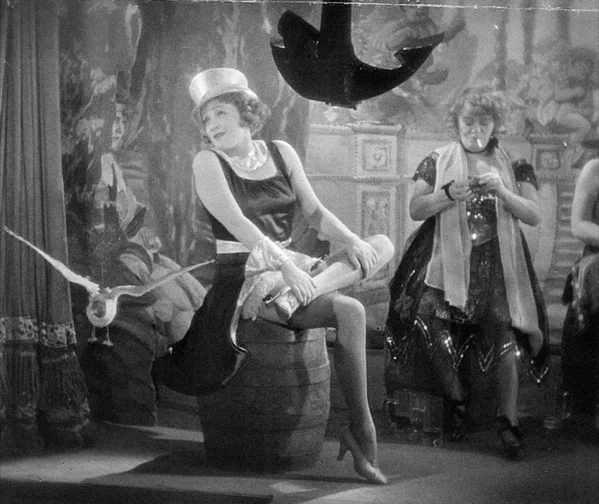
This is a still image from the 1930 film Der blaue Engel
Dietrich's artistry extended beyond her captivating screen presence. Her smoky voice, evident in iconic performances like "Falling in Love Again," added depth and allure. She wasn't just playing roles; she was embodying myth.
Her later years saw her embracing character acting, showcasing her versatility. More importantly, her unwavering commitment to entertaining troops during WWII showcased her patriotism and humanism. Marlene Dietrich's greatness lies not just in her beauty or talent, but in her transformative impact on cinema and enduring legacy as a powerful, independent woman.
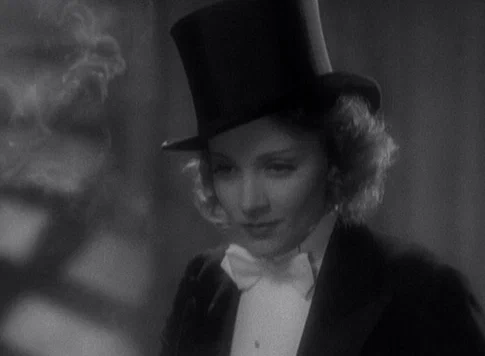
This is a still from the 1930 film Morocco
However, Dietrich's curated image wasn't without its complexities. Accusations of aloofness and calculated self-promotion followed her, fueled by her commitment to maintaining the mystique. Yet, this dedication to her crafted persona is also a testament to her control over her own narrative in a male-dominated industry. She wielded her image as a weapon and a shield, protecting a private self beneath the glamorous facade.
Dietrich was more than just a performer; she understood the power of image and wielded it with unparalleled skill. Her influence resonated throughout fashion and popular culture, inspiring generations of artists and performers to embrace individuality and challenge expectations. She exemplified the notion that one could be both beautiful and powerful, sensual and intelligent.
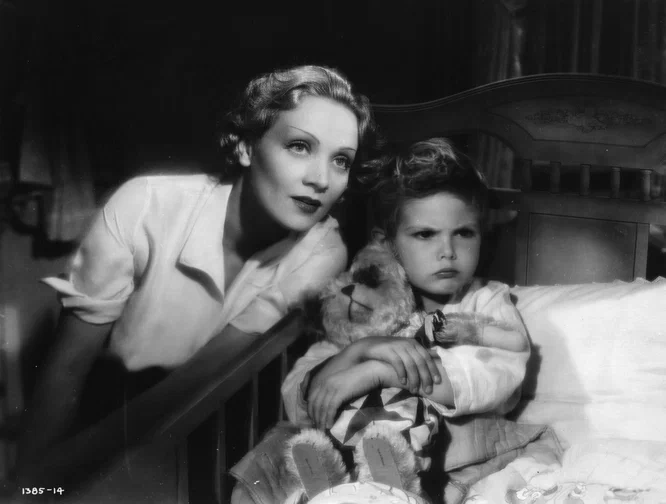
This is a still from the 1932 film Blonde Venus
Ultimately, Marlene Dietrich remains an enigma—a carefully constructed illusion and a real woman intertwined. Examining her life and work allows us to consider the power of self-invention, the complexities of fame, and the enduring allure of a true cinematic icon. Her shadow continues to loom large over the landscape of film history, a testament to her undeniable Grande Cinematic Grandeur.
Have you had the pleasure of watching any of Marlene's films?1
German cinema expressionism is a significant artistic movement that emerged in the early 20th century, particularly in the aftermath of World War I. This movement is renowned for its innovative approach to filmmaking, characterized by its dark, moody atmosphere, distorted visual style, and psychological depth. German expressionism left an indelible mark on the film industry, influencing countless directors, actors, and films that followed.
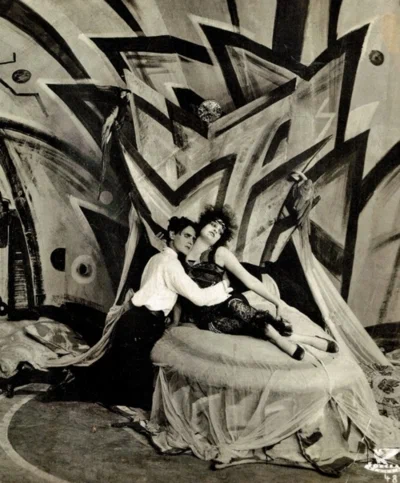
A still from the movie Genuine
Several directors played pivotal roles in shaping the German expressionist movement. Among them are:
Fritz Lang: Known for his meticulous attention to detail and ability to create a sense of unease, Lang directed such classics as Metropolis (1927) and Der müde Tod (1920). His films often tackle themes of urban decay, technological advancement, and the darker sides of human nature.
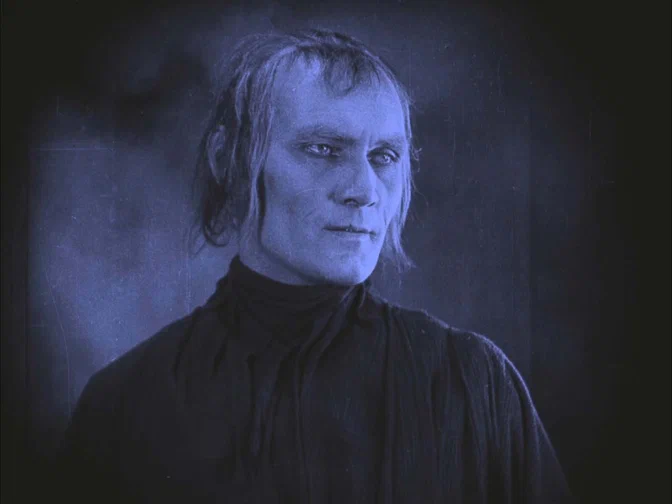
Bernhard Goetzke as Death.
F.W. Murnau: Murnau's work is renowned for its atmospheric cinematography and innovative narrative technique. His film Nosferatu, Symphony of Terror (1922) is a prime example of expressionist horror, featuring Count Orlok and utilizing a stark, eerie visual style.
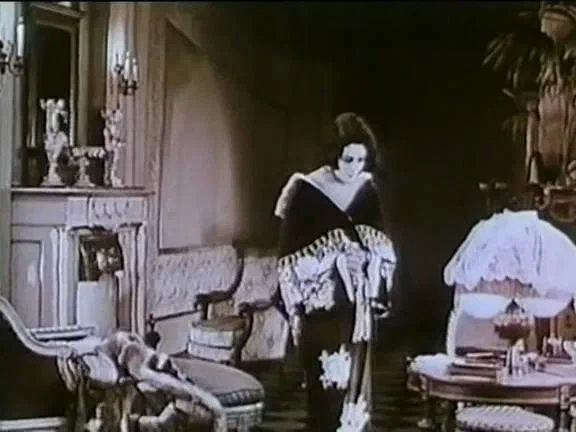
Still from the movie Der brennende Acker
Robert Wiene: Wiene's film The Cabinet of Dr. Caligari (1920) is often called the quintessential expressionist film. Its distorted sets, shadowy lighting, and unsettling narrative created many of the hallmarks of the movement.
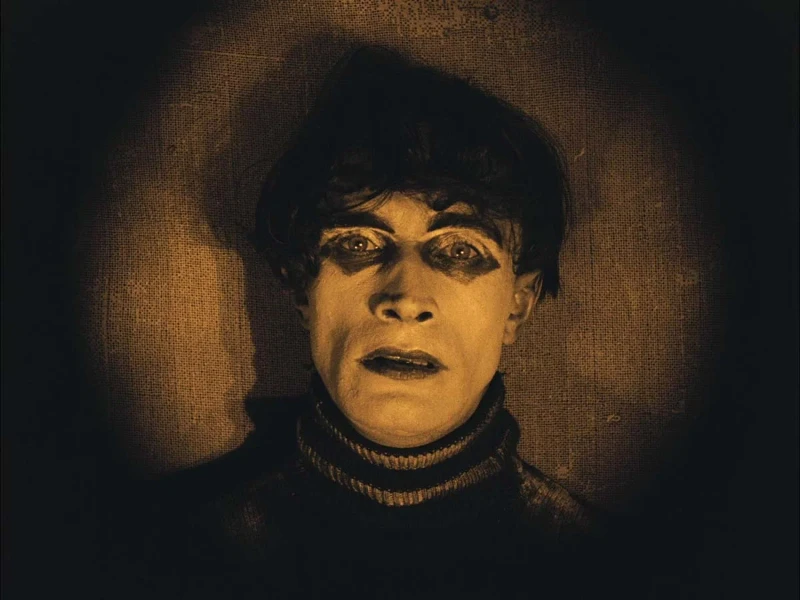
An iconic scene in the movie
The actors and actresses of the German expressionist era brought depth and intensity to their roles, helping to define the movement’s unique aesthetic. Notable performers include:
Emil Jannings: Known for his powerful acting work, Jannings appeared in several expressionist films, including The Last Laugh (1924) directed by F.W. Murnau. His ability to convey a wide range of emotions made him a prominent exponent of the movement.
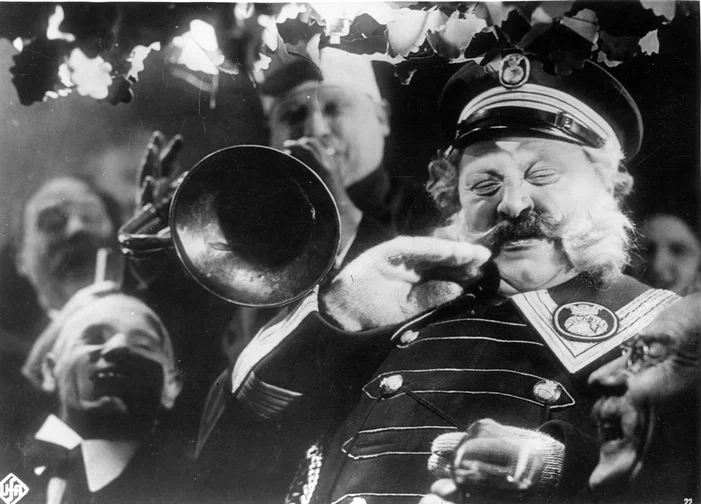
Still from the movie
Werner Krauss: Krauss’s portrayal of Dr. Caligari in “The Cabinet of Dr. Caligari” is iconic, embodying the movement’s fascination with madness, manipulation, and the supernatural.
The influence of German expressionism extends far beyond its initial period of prominence. The movement’s innovative visual style and psychological depth have left a lasting impact on the film industry. Directors such as Alfred Hitchcock and Orson Welles have cited German expressionism as an influence on their work, and its legacy can be seen in films ranging from “Psycho” (1960) to “Blade Runner” (1982).
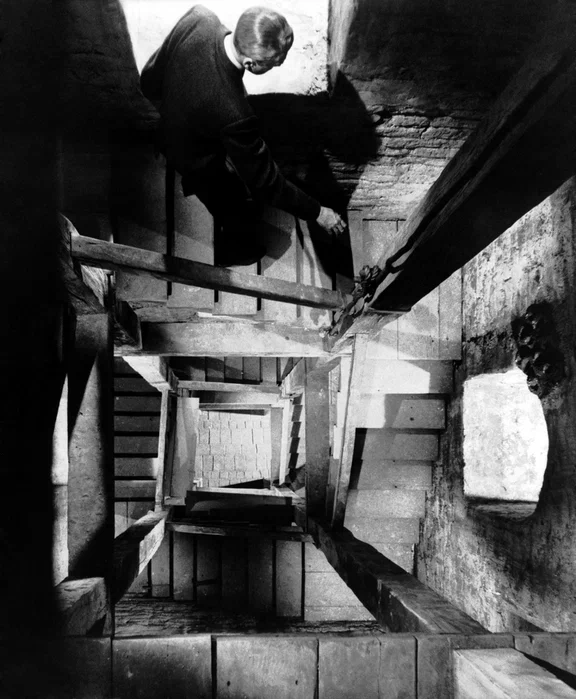
Still from the movie Vertigo
Moreover, German expressionism has had a profound impact on the horror genre. The movement’s use of shadowy lighting, distorted sets, and supernatural themes has become a staple of horror filmmaking, influencing directors such as James Whale and John Carpenter.
In addition to its visual and thematic influence, German expressionism also contributed to the development of film noir. The movement’s focus on psychological complexity and moral ambiguity laid the groundwork for the brooding, atmospheric style of film noir, which emerged in the 1940s and 1950s.
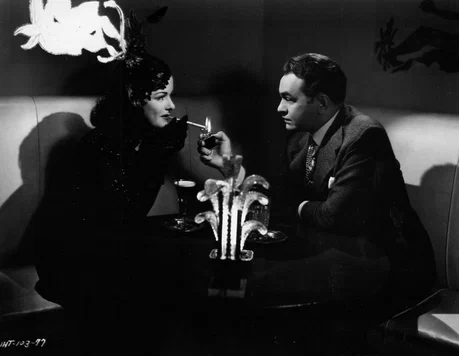
A still from the movie The Women in the Window
German cinema expressionism was a groundbreaking movement that pushed the boundaries of filmmaking in the early 20th century. Its innovative visual style, psychological depth, and exploration of the darker aspects of human nature continue to inspire filmmakers today. By examining the key directors, actors, and films of the movement, we can gain a deeper understanding of its lasting impact on the world of cinema.

