Georges Méliès was born on December 8, 1861, in Paris, France. Initially trained as an actor and stage magician, Méliès’ life changed dramatically in 1895 when he witnessed the first public demonstration of the Lumière brothers’ cinematograph. Captivated by the potential of this new medium, he immediately recognized its connection to his passion for magic and illusion.
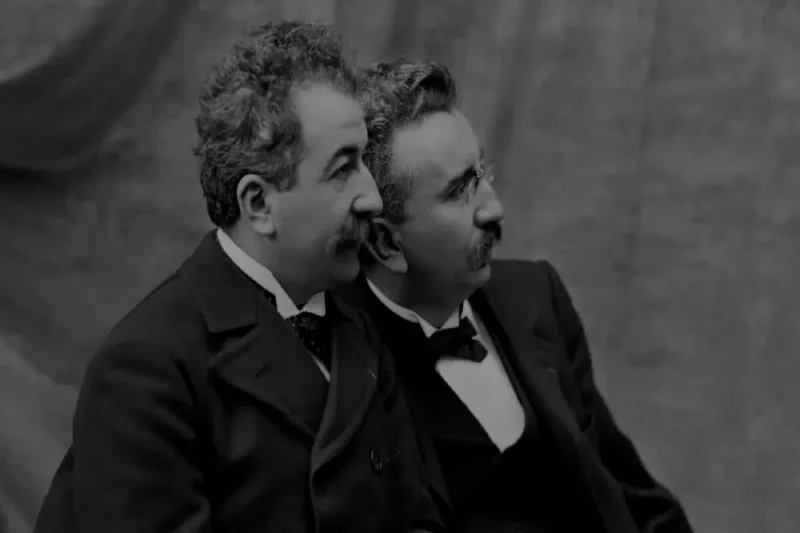
Lumiere brothers
In 1896, Méliès made his first foray into filmmaking by purchasing a camera and building one of the world’s first film studios in Montreuil, just outside Paris. Unlike the documentary-style films of his contemporaries, Méliès focused on creating fictional stories and magical effects. He pioneered the use of special effects techniques such as stop-motion photography, multiple exposures, and dissolves to create visual illusions on screen.
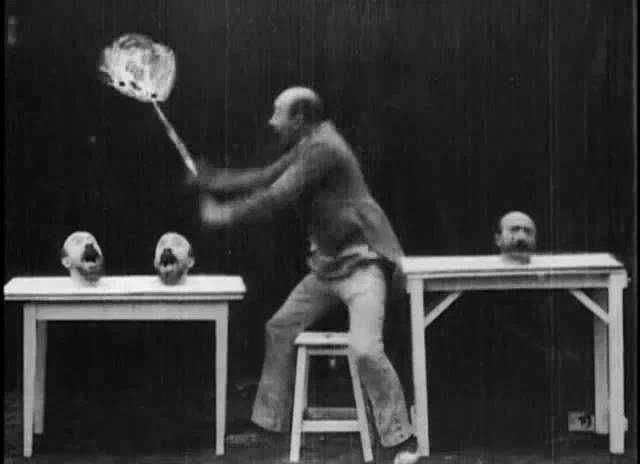
still from the movie Un homme de têtes. Demonstrating multiple exposures
Between 1896 and 1913, Méliès produced over 500 films, ranging from one-minute vignettes to multi-scene narratives. His most famous work, A Trip to the Moon (1902), is considered one of the first science fiction films and a landmark in cinematic history. This 14-minute film showcased Méliès’ mastery of special effects, intricate set designs, and storytelling techniques that were revolutionary for their time.
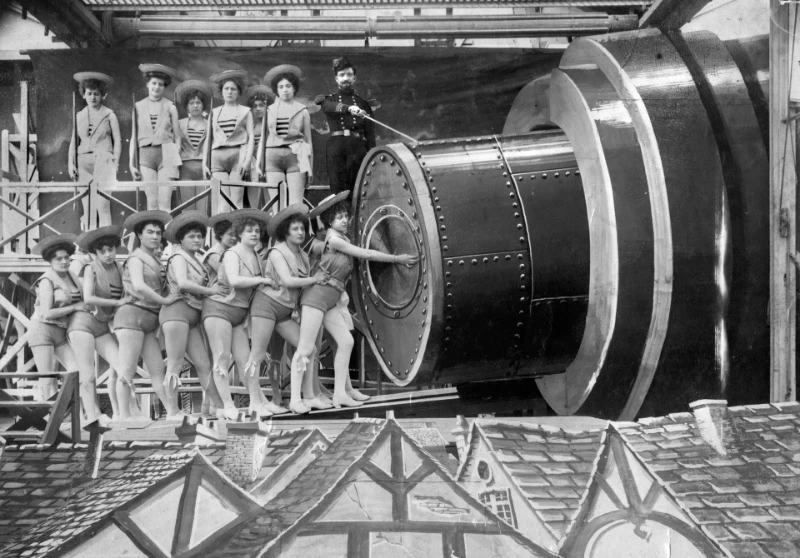
Scene of rocket launch to the moon
Méliès’ innovations extended beyond special effects. He developed:
Despite financial struggles later in his career, Méliès’ impact on cinema is immeasurable. He transformed film from a novelty into an art form capable of telling complex stories. His work inspired future filmmakers like Georges Franju and Jean Cocteau, and his techniques laid the groundwork for modern special effects.
Georges Méliès is often hailed as the first true filmmaker. While others documented reality, he created dreams and fantasies on screen. His pioneering spirit and artistic vision not only entertained audiences but also established the fundamental language of cinema that continues to influence filmmakers today. Méliès proved that film could be more than just a recording device—it could be a magical storytelling medium capable of transporting viewers to new worlds and realities.
Have you seen any of Georges Méliès' movies?0

