
Finally, when I waited, I watched A MOVIE ABOUT MINECRAFT!!!
I watched the news that this film does not have a good rating from critics, namely 48 points out of 100.
I was upset, I expected there to be a normal movie, but why should I believe the critics?
That's why I went anyway....
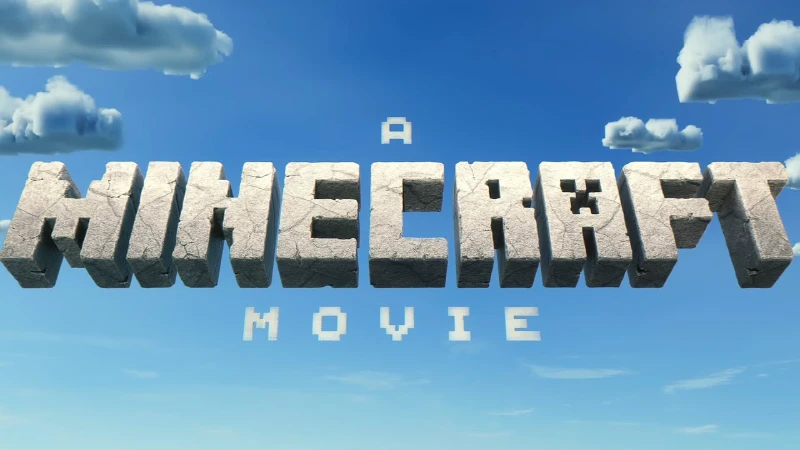
To begin with, YES, I was a little upset because the Minecraft movie did not meet my expectations, despite the target audience of children.
Even though I am a CHILD myself, I would have rated this film a 6/10, it could have been better, but I gave this rating because there were good and even some funny moments, but probably more of them did not make me laugh at all and did not cause such a cringe.
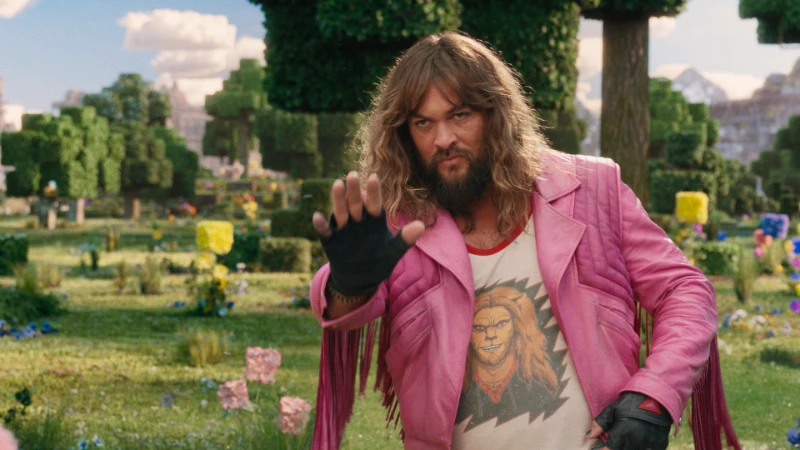
Let's start with the actors... I thought Steve was pretty funny, and I'd even say Jack Black was good for the role. Momoa is sometimes a strange person and cringe-worthy with his behavior, because he can't forget his past achievements in the game, he shows off like he's the coolest, but in fact... hmm. A woman and two small children, I don't say anything at all, their mother died and like I had to cry even though I only see them for a few seconds, the other one has a zoo right in the middle of the car.
The plot is kind of weird, if there are spoilers!!!
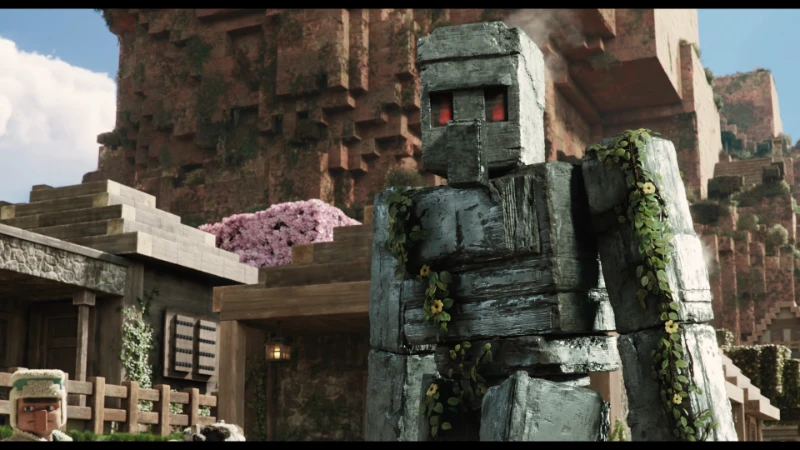
For the good things, I can now notice these BATTLES, they are very cool here. Also, the way pigs, animals look, the way hell looks, the ordinary world. There were some funny moments, and I can mention one of them at the end.,
Maybe there were other references somewhere, but I didn't notice.
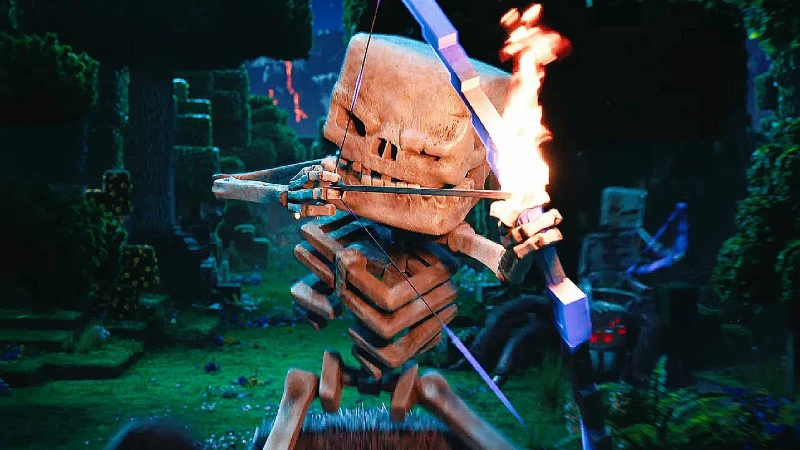
The minor characters here are interesting, with the same resident who got into the real world from a Minecraft movie, almost died on the road as a result when she hit a poor resident on a woman, although it was in favor of the resident and the woman, because they then had a DATE.🫶
The film began with the fact that STEVE, a very lover of mines, and when he grew up, went to the mines and found some kind of sphere with a cube where you need to put this cube in this sphere, and then the gates to the MINECRAFT MOVIE are open for you. The main villain wants to take over this sphere, taste it, so she takes Steve hostage, and Steve at that time gives this sphere to his dog, so that she hides this sphere far away. Momoa then finds this cube with a sphere in some container that didn't pay off, and kept it with him, but at some point ALL the actors were interested in this cube and eventually the whole company, they get into the minecraft world and everything starts there.
And of course he DIDN'T DIE, he comes at the last moment at the MOST important moment and saves everyone from death.
AND ALSO, IN GENERAL, there was a moment with Black and Momoa, when they had to fly through a small gap in the elites to survive, as a result, Steve takes Momoa by the legs, while Momoa takes HIM by the legs, as a result, in 69 position, they fly through a small gap and escape with a bucket of water, Falling to the ground, IT'S GENERALLY %%**@#
* * *
In the end, I'll sum up that you CAN GO to the MOVIE if you're Minecraft fans, but get ready that you may not come at all, I can't speak for you, I can't promise that you'll like everything.
I repeat my assessment, it's 6/10, it went down well for me, but not just WOW, maybe I'll look at it a second time, but it's unlikely.
Thank you all < good luck to all and bye

Will you go to the Minecraft Movie? 1
Superman, released in 1978, marked a pivotal moment in the evolution of superhero cinema. As the first major big-budget superhero film, it set a new standard for the genre, blending groundbreaking special effects with a compelling narrative grounded in human emotion. Starring Christopher Reeve, the film's portrayal of Superman as both an otherworldly being and a relatable character resonated with audiences, redefining the archetype of the superhero.
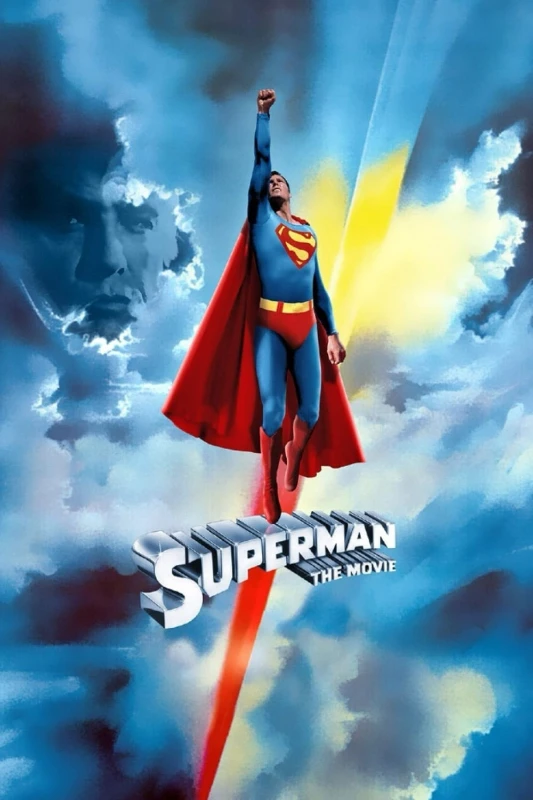
Film Poster
The success of Superman paved the way for an influx of superhero adaptations, demonstrating that the genre could attract mainstream audiences and achieve critical acclaim. Its iconic score by John Williams and the innovative use of visual effects established templates that would influence countless films, including the Batman and Marvel franchises.
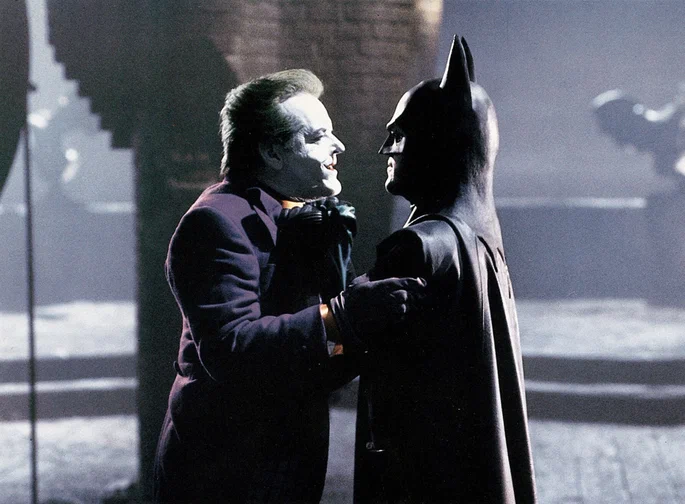
This is a still from Tim Burton's 1989 film Batman.
Moreover, Superman emphasized the importance of character development, showcasing the struggles and vulnerabilities of its protagonist. This focus on complex narratives has become a hallmark of modern superhero films, enabling them to explore deeper themes of identity, morality, and humanity, ultimately shaping the landscape of blockbuster cinema for decades to come.
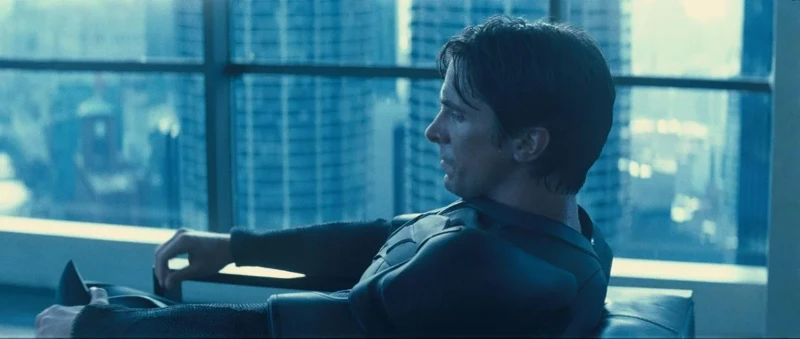
The character's self-pity is adeptly depicted in The Dark Knight.
Superman 1978 also introduced a more sophisticated approach to storytelling within the superhero genre. By presenting Clark Kent as a flawed individual grappling with dual identities, the film invited viewers to relate to Superman not just as a savior but as a person facing real-world dilemmas. This nuanced portrayal paved the path for future superhero stories that would delve into the psychological and emotional struggles of their protagonists, influencing films such as Batman Begins and Spider-Man.
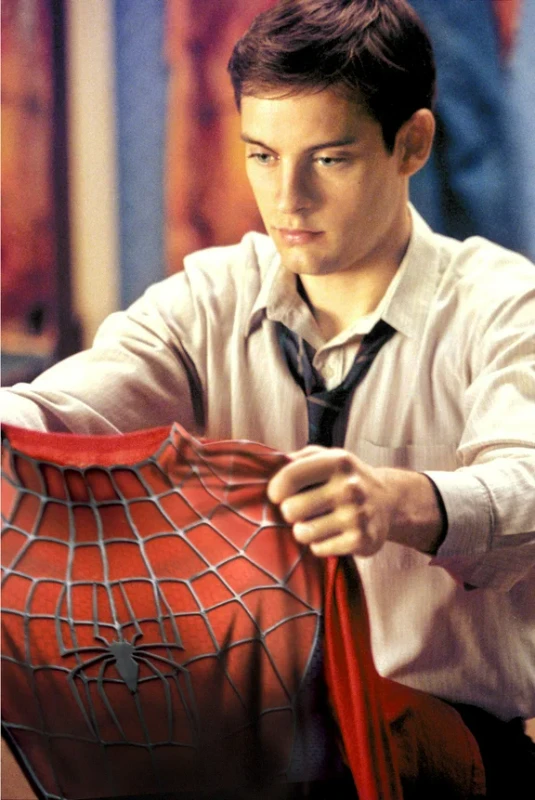
This image is a still from Sam Raimi's Spider-Man.
The film's memorable characters, such as Lois Lane, played by Margot Kidder, further underscored the importance of strong supporting roles in superhero narratives. Her dynamic relationship with Superman added layers of depth and realism, demonstrating that these stories could explore complex interpersonal dynamics, rather than merely focusing on good versus evil. As a result, later films have increasingly prioritized character arcs and relationships, deepening audience investment in the heroes’ journeys.
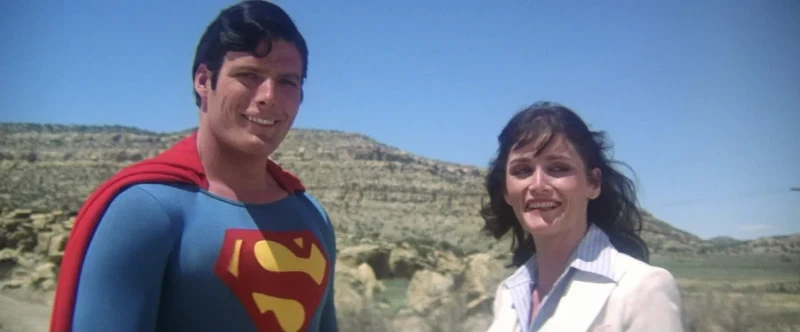
Christopher Reeve's relationship with Margot Kidder is a noteworthy example of this phenomenon.
Ultimately, Superman 1978 established a blueprint for adapting comic book mythology into cinema, where high-stakes drama and human connection intertwined. Its enduring legacy is evident in the success of superhero films in contemporary culture, highlighting how the genre has matured and evolved while still paying homage to its groundbreaking roots.
Which movie version of Superman do you like better?0
The King Kong franchise has been a staple of popular culture for nearly a century, captivating audiences with its tale of a giant ape and his tragic encounters with humanity. From the original 1933 classic to the numerous remakes, spin-offs, and crossovers, King Kong has become a cultural icon. However, despite its enduring popularity, the franchise is often overrated, relying on nostalgia and spectacle rather than meaningful storytelling or innovation. Here’s why King Kong fails to live up to its legendary status.
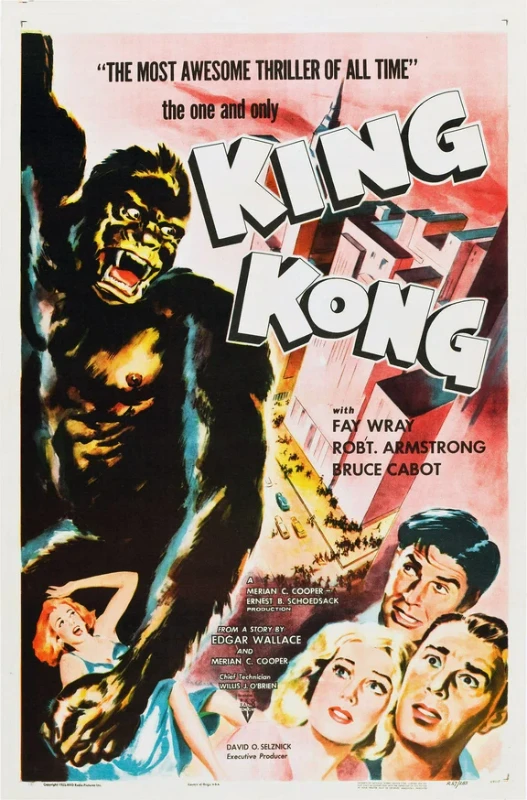
The following is a reproduction of the original movie poster
At its core, the King Kong story is simple: a giant ape is discovered, brought to civilization, and ultimately meets a tragic end. While this formula worked well in the original 1933 film, subsequent iterations have struggled to bring anything new to the table. The narrative has become predictable, with little room for character development or thematic depth. Each remake retreads the same ground, offering little more than updated special effects and a bigger budget. The lack of innovation makes the franchise feel stagnant, especially when compared to other long-running series that have evolved over time.
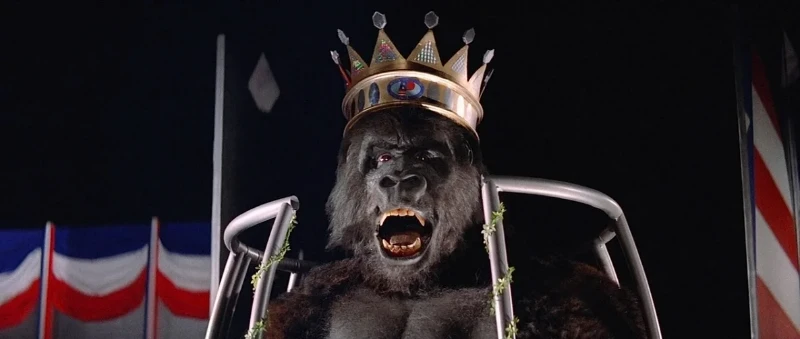
King Kong 1976
King Kong has always been a visual spectacle, from the groundbreaking stop-motion animation of the original to the CGI-heavy modern adaptations. However, the franchise often prioritizes spectacle over substance. While impressive visuals can enhance a film, they cannot compensate for weak storytelling or underdeveloped characters. Many King Kong films focus on grandiose action sequences and destruction, leaving little room for emotional engagement or meaningful commentary. As a result, the films often feel hollow, relying on shock value rather than genuine storytelling.
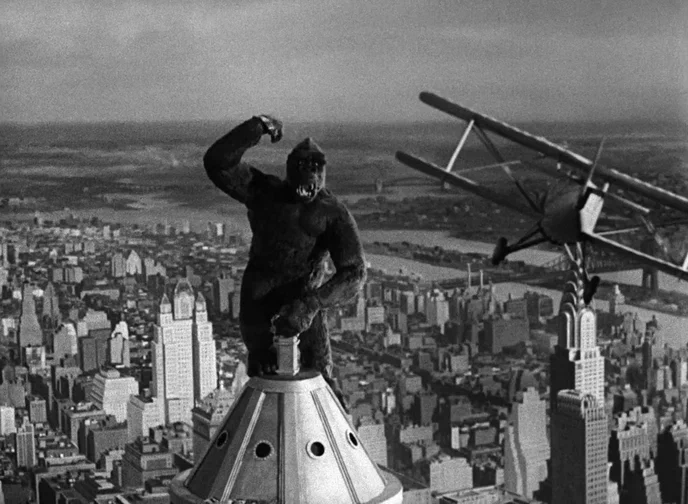
This scene is widely regarded as a quintessential example of cinematic excellence, representing a seminal moment in the original movie.
One of the biggest flaws of the King Kong franchise is its shallow characterization. Kong himself is often portrayed as a tragic figure, but his motivations and personality are rarely explored in depth. Similarly, human characters are frequently reduced to stereotypes, such as the ambitious filmmaker, the damsel in distress, or the greedy businessman. This lack of complexity makes it difficult for audiences to connect with the characters on a deeper level. In contrast, other monster franchises, such as Godzilla, have managed to create more nuanced characters and explore themes of humanity, morality, and environmentalism.
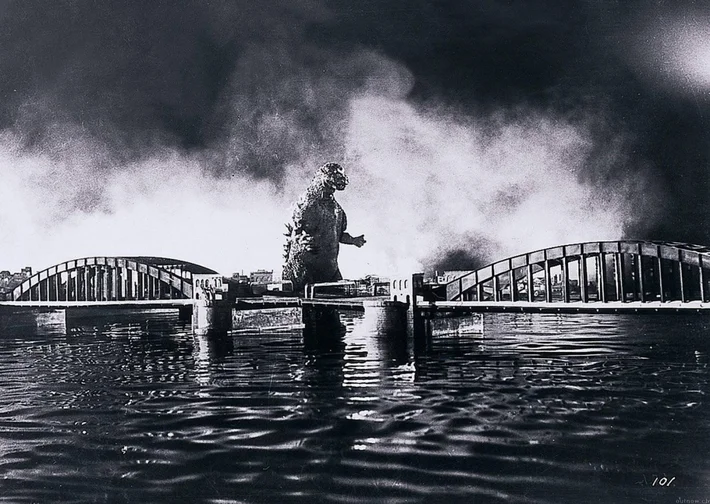
This image is a still from the 1954 film Godzilla
The King Kong story has the potential to address important social and environmental issues, such as humanity’s exploitation of nature, colonialism, and the consequences of unchecked ambition. However, the franchise has largely failed to capitalize on these themes. While some films have touched on these ideas, they are often overshadowed by the focus on action and spectacle. As a result, the franchise misses an opportunity to resonate with contemporary audiences and contribute to meaningful conversations about the world we live in.
With numerous films, TV shows, and crossovers (such as the MonsterVerse), King Kong has become overexposed. The constant reboots and reimaginings have diluted the impact of the original story, leading to franchise fatigue. Audiences are growing tired of seeing the same story told over and over again, with little variation or innovation. This overexposure has diminished the cultural significance of King Kong, turning what was once a groundbreaking tale into a repetitive and uninspired franchise.
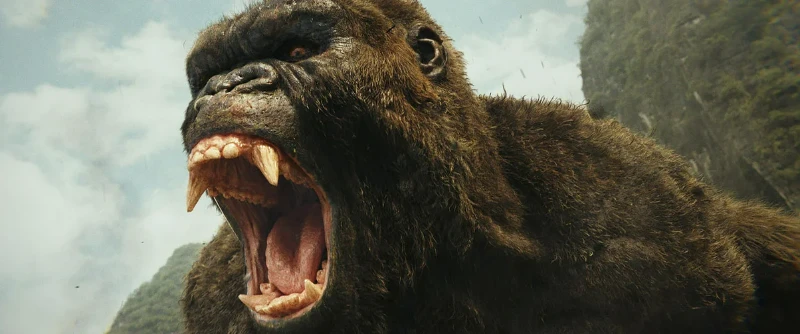
This image is a still from Kong: Skull Island
When compared to other monster franchises, such as Godzilla or Jurassic Park, King Kong falls short. These franchises have managed to evolve over time, introducing new characters, exploring deeper themes, and pushing the boundaries of storytelling. In contrast, King Kong remains stuck in the past, relying on nostalgia and spectacle rather than embracing change. This lack of evolution has made the franchise feel outdated, especially in an era where audiences demand more from their entertainment.
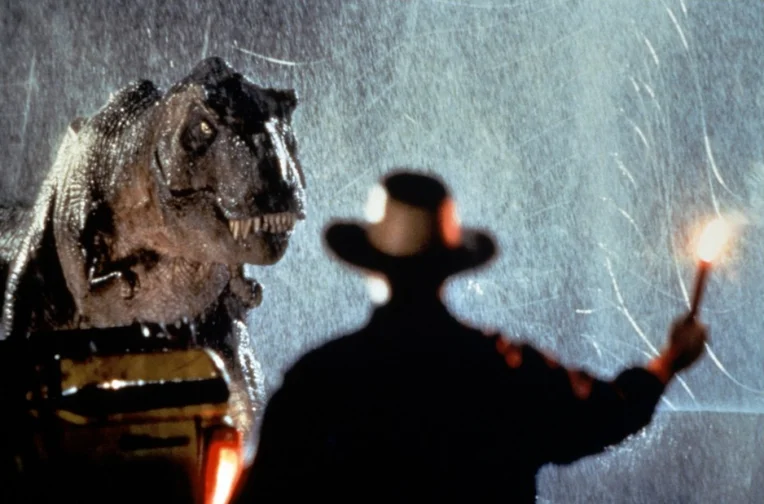
This is a still from the film Jurassic Park
* * *
While King Kong remains a beloved cultural icon, the franchise is undeniably overrated. Its repetitive storytelling, overreliance on spectacle, and lack of character depth have prevented it from reaching its full potential. Instead of evolving with the times, the franchise has become stagnant, relying on nostalgia and visual effects to carry its legacy. For King Kong to remain relevant, it must embrace innovation, explore new themes, and take risks. Until then, the franchise will continue to be a shadow of its former self, remembered more for its past achievements than its present contributions to cinema.
Do you like King Kong?1
Batman & Robin, the infamous 1997 superhero film, has long been derided as one of the worst comic book adaptations ever made. However, upon closer examination, the film reveals itself to be a surprisingly enjoyable and campy spectacle that deserves a second chance.
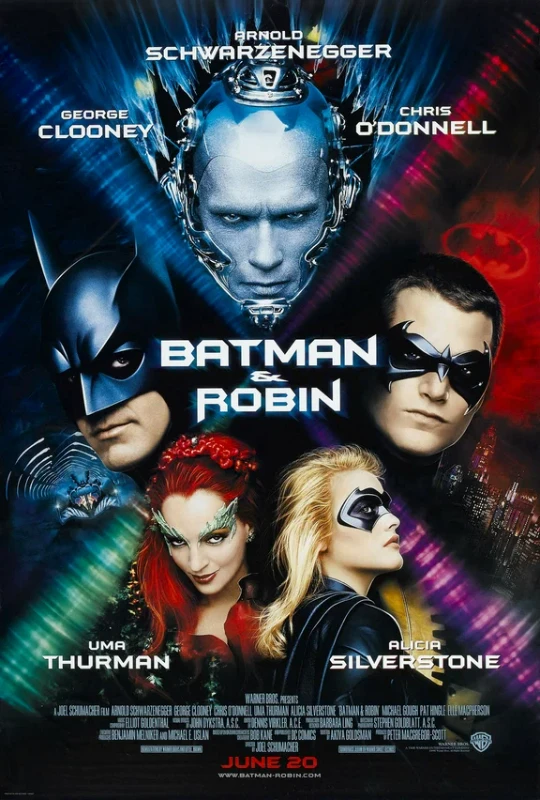
Movie Poster
Batman & Robin is unapologetically campy, embracing the exaggerated theatrics of the 1960s Batman TV series. From the over-the-top costumes to the cheesy one-liners, the film revels in its own absurdity. This campiness may not be to everyone's taste, but it adds a unique and unforgettable flavor to the proceedings.
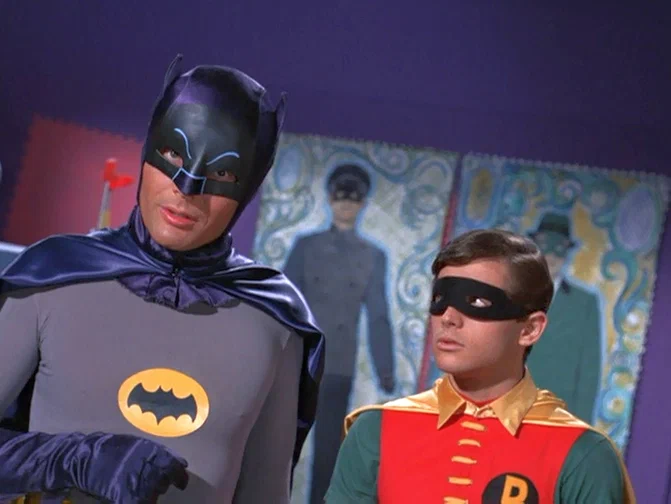
A still from the series
Despite the film's reputation, the cast delivers some surprisingly solid performances. George Clooney may not be the most iconic Batman, but he brings a charismatic and sardonic charm to the role. Arnold Schwarzenegger is equally entertaining as the villainous Mr. Freeze, delivering a performance that is both menacing and hilarious.
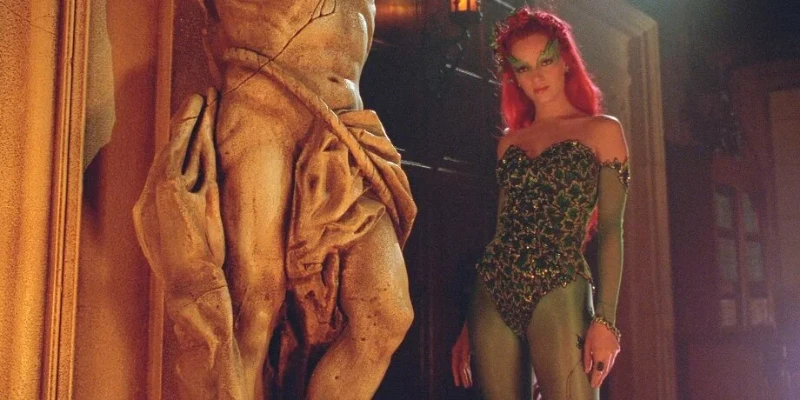
Uma Thurman portrays Poison Ivy.
Batman & Robin features some of the most over-the-top action sequences ever seen in a superhero film. From the Batmobile's ridiculous Bat-Credit Card to the Bat-Signal that summons a giant bat-shaped satellite, the film's action is both visually impressive and delightfully absurd.
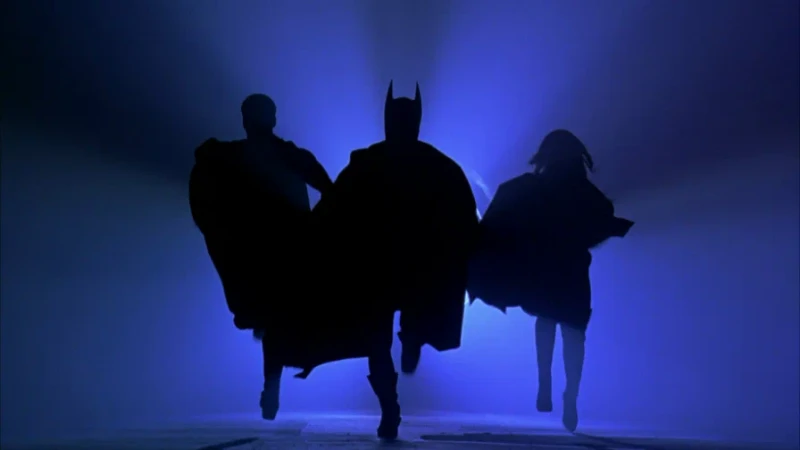
Final scene
The film's production design is a feast for the eyes. The neon-soaked Gotham City is a vibrant and imaginative setting, while the Batcave is a technological marvel. The costumes, while over-the-top, are also visually stunning and have become iconic in their own right.
Despite its initial negative reception, Batman & Robin has gained a cult following in recent years. The film's campiness has been embraced by fans who appreciate its unique and offbeat charm. It has also influenced subsequent Batman adaptations, with Christopher Nolan's Dark Knight trilogy paying homage to its over-the-top action sequences.
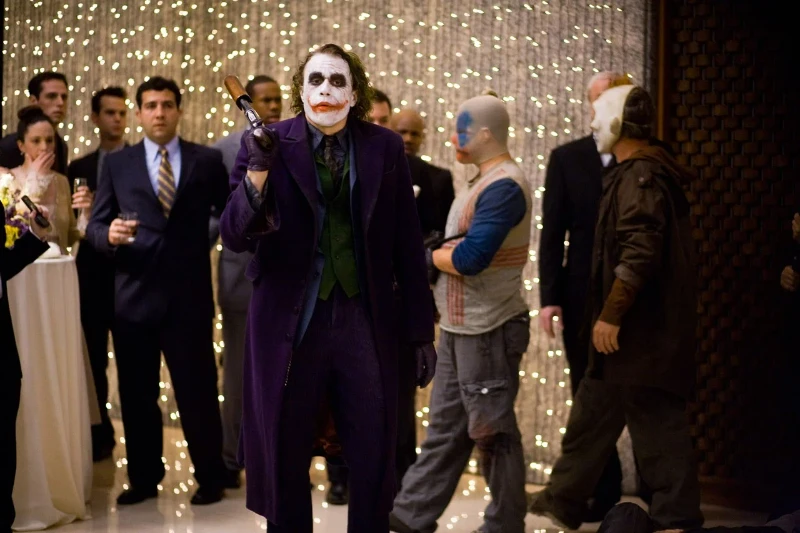
A social gathering was held in Harvey Dent's honor.
Batman & Robin may not be a cinematic masterpiece, but it is far from the unwatchable disaster it has been made out to be. Its campy charm, entertaining performances, over-the-top action, and stunning production design make it a surprisingly enjoyable experience. While it may not be everyone's cup of tea, it deserves a second chance to be appreciated for its own unique and unforgettable qualities.
Have you seen Batman and Robin?0
Hello everyone
Those who watched the Kino Fire channel are clearly aware of such a section, where 10 events of the past year are taken and discussed - how their film adaptation would look on the big screen. And I thought, why limit ourselves to the events of the past years?
The only problem is that I'm not bad at history, but I'm quite limited in my knowledge of cinema. That's why, maybe, there were feature films about the events I told. But I'm still going to talk about big-budget blockbusters. In the meantime, let's go.
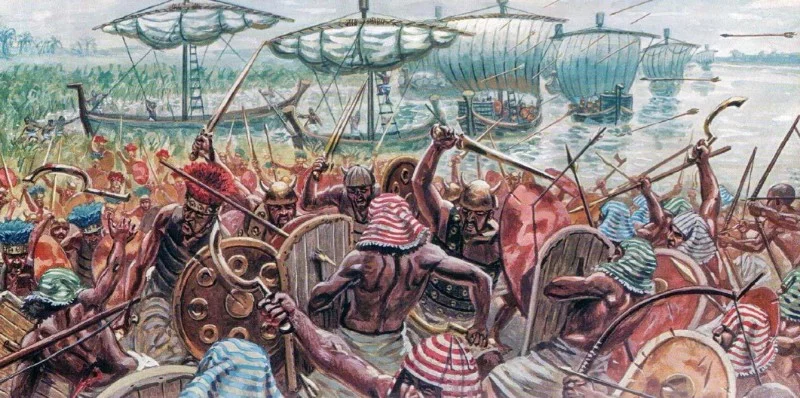
It's quite a good scenario for a disaster movie or something. At the same time, he can narrate both about a single hero in a certain location, and about several places at once, since the events were truly global.
In short, due to tectonic activity, volcanic eruptions, abundant drought, migrations and the crisis of the system, a series of destructions swept through almost the entire then civilized world. Cities were abandoned, countries were tortured by the mysterious peoples of the sea, villages were cut out, and large centers that once owned wide lands now could not control the situation beyond their city walls.
The only ones who could stand at least a little in such a situation were Egypt, Assyria and part of the Greek policies. But for them, these times have become one of the darkest ages.
I think if you embellish the situation a little, combine all the disasters and show different locations (for example, Asia Minor, Greece, Crete and Egypt with Assyria), it will be quite epic.
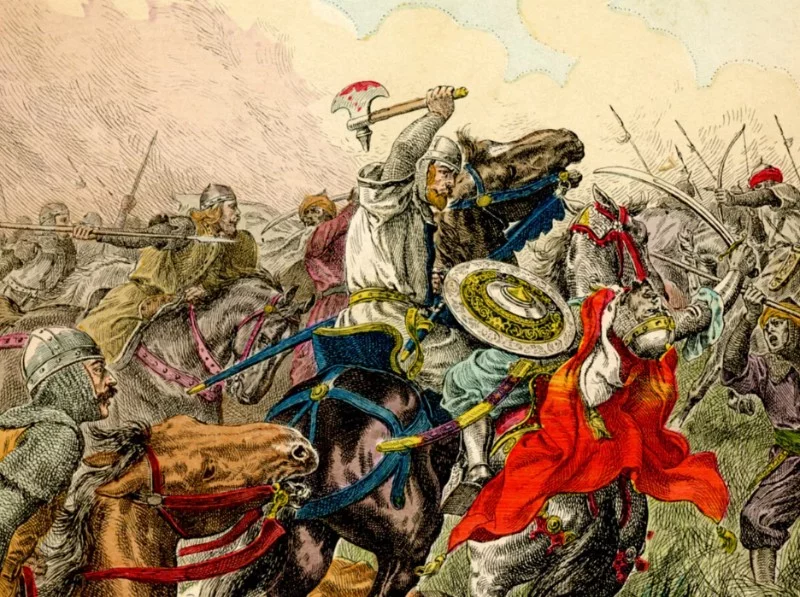
It must be said here that the Battle of Poitiers is a little exaggerated in its significance. But now I will tell you exactly about the publicized version of events, so that it is easier to understand the idea.
The year is 732. The Muslims, who have already captured almost all of Spain, are encroaching on the south of France, which was then under the rule of the Aquitanian lords. And so, Duke Ed of Aquitaine, who had already been defeated by the Muslims, called for the help of the Franks in the person of Majordomo Charles Martell. As a result, he won the battle, pushing the Arabs back over the Pyrenees and preventing Islam from spreading northward across Europe.
Of course, this story is somewhat embellished, and the impact of this battle was not the most significant. However, this is still a significant layer of the Western European epic.
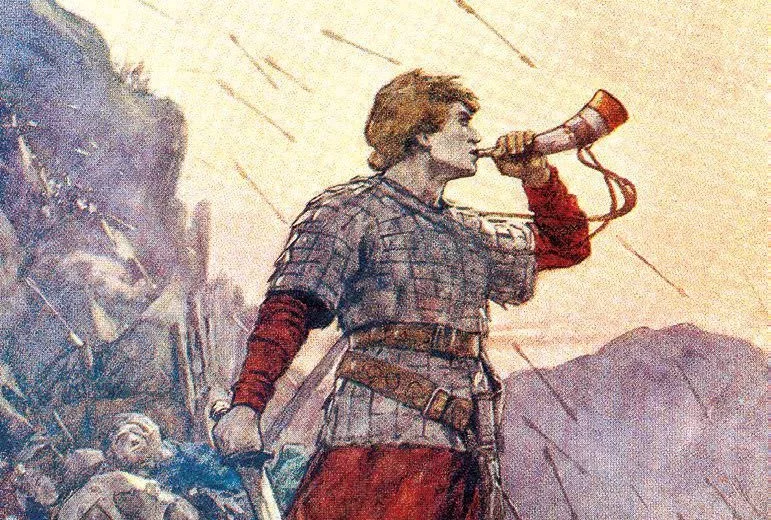
As with the last point, Roland's story in reality and in the epic are slightly different.
In reality, this is either a distant relative, or just one of Charlemagne's peers, who died during the Basque attack on Charlemagne's army.
In the epic, the situation is a little different. Roland is already Charles's nephew, the battle was against the Saracens, and its plot and conditions were explained by the betrayal of one of Charles's servants. Well, one of the most important moments with Roland's horn, in which he trumpets with his last strength before his death, I urge my uncle Karl to take revenge on the Saracens.
I think it's obvious that it's better to make a film adaptation based on the epic))
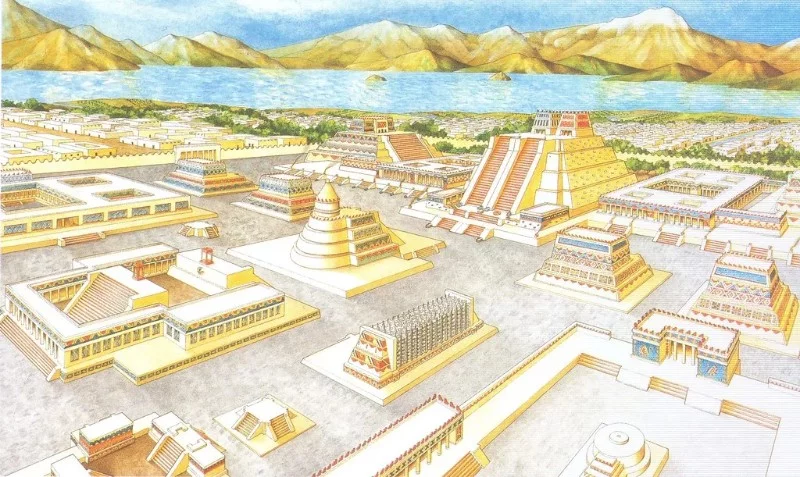
Here, perhaps, the idea is not even for a movie, but for some kind of mini-series, since the idea is divided into periods.
In the first, the ancient nomadic Aztecs see the Sun god descending to them, who predicts them to settle in the place where they will see an eagle on a cactus holding its prey. Eventually, they find a place on an island in the middle of a salt lake, where they found the city of Tenochtitlan. However, not everything goes smoothly - the new settlers are subjected to hostile attitude, and some of them soon separate and form another city - Tlatelolco.
The second act tells about the period of the greatest power of the city, the times of the triumvirate, military campaigns, sacrifices and at the same time the gradual degradation of the system and the first manifestations of discontent.
Well, in the third act, the story of the capture of Tenochtitlan by the Spaniards will be told, their flight from there and another 70-day siege of the city, as a result of which it was again captured and destroyed, and in its place a completely different city appears - Mexico City.
Well, it turned out like this. Of course, I'm not a movie pro, but I think stories have a right to live on the big screen. And what do you think? Write in the comments, vote in the poll. In the meantime, thank you all for reading and see you soon!

