The King Kong franchise has been a staple of popular culture for nearly a century, captivating audiences with its tale of a giant ape and his tragic encounters with humanity. From the original 1933 classic to the numerous remakes, spin-offs, and crossovers, King Kong has become a cultural icon. However, despite its enduring popularity, the franchise is often overrated, relying on nostalgia and spectacle rather than meaningful storytelling or innovation. Here’s why King Kong fails to live up to its legendary status.
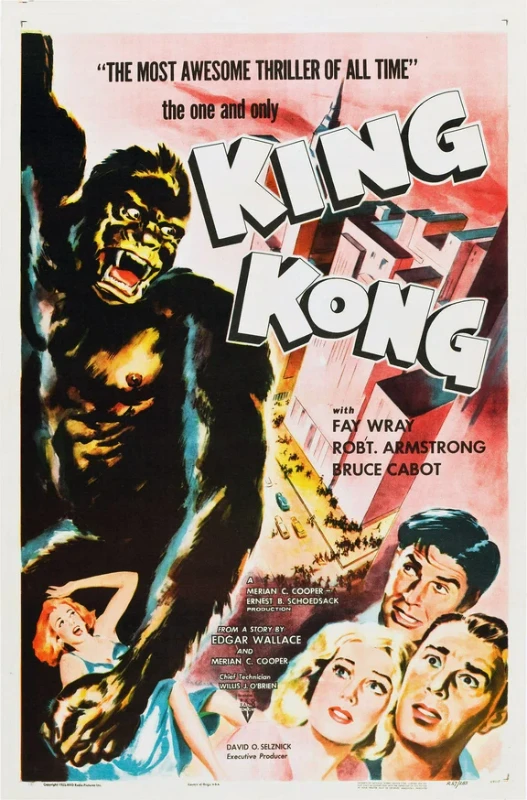
The following is a reproduction of the original movie poster
At its core, the King Kong story is simple: a giant ape is discovered, brought to civilization, and ultimately meets a tragic end. While this formula worked well in the original 1933 film, subsequent iterations have struggled to bring anything new to the table. The narrative has become predictable, with little room for character development or thematic depth. Each remake retreads the same ground, offering little more than updated special effects and a bigger budget. The lack of innovation makes the franchise feel stagnant, especially when compared to other long-running series that have evolved over time.
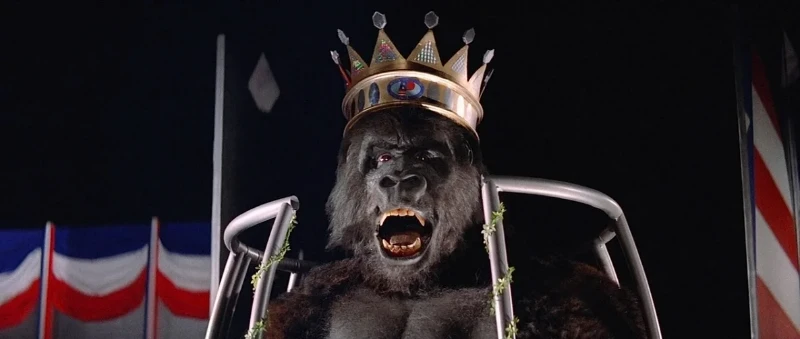
King Kong 1976
King Kong has always been a visual spectacle, from the groundbreaking stop-motion animation of the original to the CGI-heavy modern adaptations. However, the franchise often prioritizes spectacle over substance. While impressive visuals can enhance a film, they cannot compensate for weak storytelling or underdeveloped characters. Many King Kong films focus on grandiose action sequences and destruction, leaving little room for emotional engagement or meaningful commentary. As a result, the films often feel hollow, relying on shock value rather than genuine storytelling.
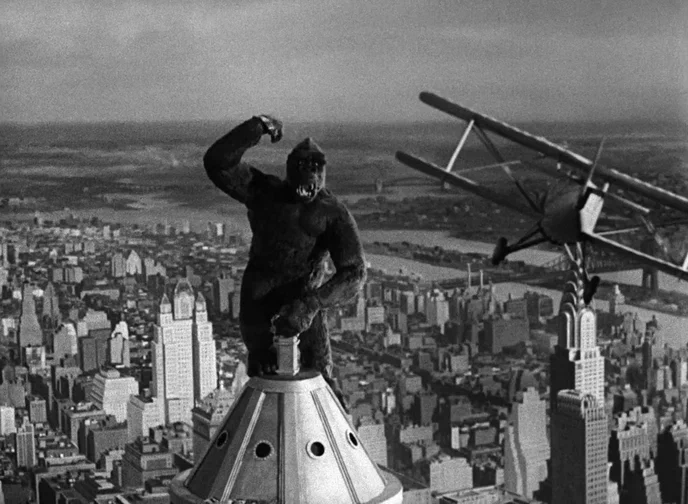
This scene is widely regarded as a quintessential example of cinematic excellence, representing a seminal moment in the original movie.
One of the biggest flaws of the King Kong franchise is its shallow characterization. Kong himself is often portrayed as a tragic figure, but his motivations and personality are rarely explored in depth. Similarly, human characters are frequently reduced to stereotypes, such as the ambitious filmmaker, the damsel in distress, or the greedy businessman. This lack of complexity makes it difficult for audiences to connect with the characters on a deeper level. In contrast, other monster franchises, such as Godzilla, have managed to create more nuanced characters and explore themes of humanity, morality, and environmentalism.
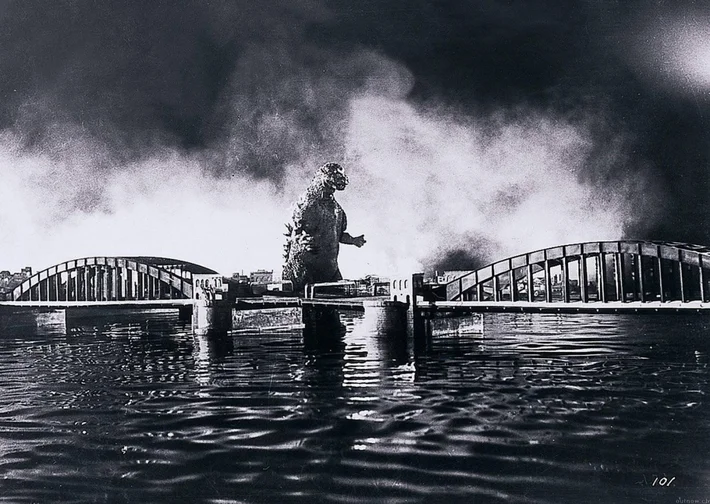
This image is a still from the 1954 film Godzilla
The King Kong story has the potential to address important social and environmental issues, such as humanity’s exploitation of nature, colonialism, and the consequences of unchecked ambition. However, the franchise has largely failed to capitalize on these themes. While some films have touched on these ideas, they are often overshadowed by the focus on action and spectacle. As a result, the franchise misses an opportunity to resonate with contemporary audiences and contribute to meaningful conversations about the world we live in.
With numerous films, TV shows, and crossovers (such as the MonsterVerse), King Kong has become overexposed. The constant reboots and reimaginings have diluted the impact of the original story, leading to franchise fatigue. Audiences are growing tired of seeing the same story told over and over again, with little variation or innovation. This overexposure has diminished the cultural significance of King Kong, turning what was once a groundbreaking tale into a repetitive and uninspired franchise.
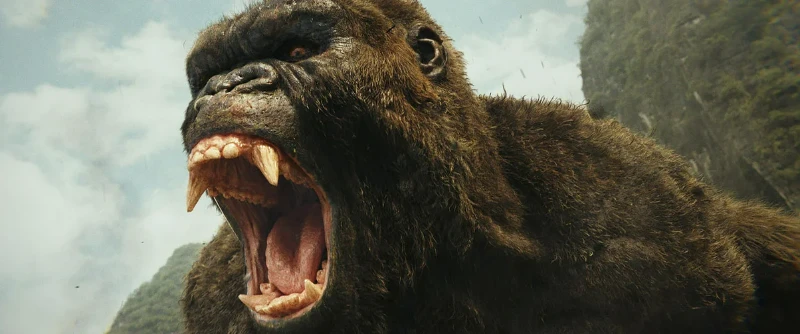
This image is a still from Kong: Skull Island
When compared to other monster franchises, such as Godzilla or Jurassic Park, King Kong falls short. These franchises have managed to evolve over time, introducing new characters, exploring deeper themes, and pushing the boundaries of storytelling. In contrast, King Kong remains stuck in the past, relying on nostalgia and spectacle rather than embracing change. This lack of evolution has made the franchise feel outdated, especially in an era where audiences demand more from their entertainment.
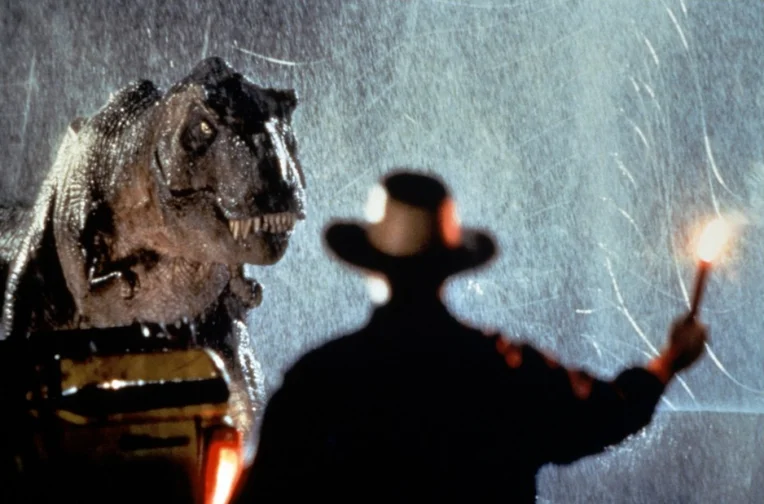
This is a still from the film Jurassic Park
* * *
While King Kong remains a beloved cultural icon, the franchise is undeniably overrated. Its repetitive storytelling, overreliance on spectacle, and lack of character depth have prevented it from reaching its full potential. Instead of evolving with the times, the franchise has become stagnant, relying on nostalgia and visual effects to carry its legacy. For King Kong to remain relevant, it must embrace innovation, explore new themes, and take risks. Until then, the franchise will continue to be a shadow of its former self, remembered more for its past achievements than its present contributions to cinema.
Do you like King Kong?1

