Let's be fair to Yandex Translate, because fairness is what separates us from people who smash the dislike button on perfectly good test just because they didn't understand it.
Yandex Translate is a wonderful invention! And it can help. Genuinely. It's a tool, and tools work — when there's a mind holding them. Used with your brain switched on, it will give you the meaning of a word, untangle a phrase, and get you out of a tight spot at 2 a.m. when the word "nevertheless" is staring at you.
Disclosure!!!
Here's the disclosure:
Let's imagine it's a dictionary.
And that's the whole point of this post, wrapped up in one sentence: the translator is not the problem — trusting it blindly is. Use it as a dictionary. Let it hand you the words, and then you build the meaning.
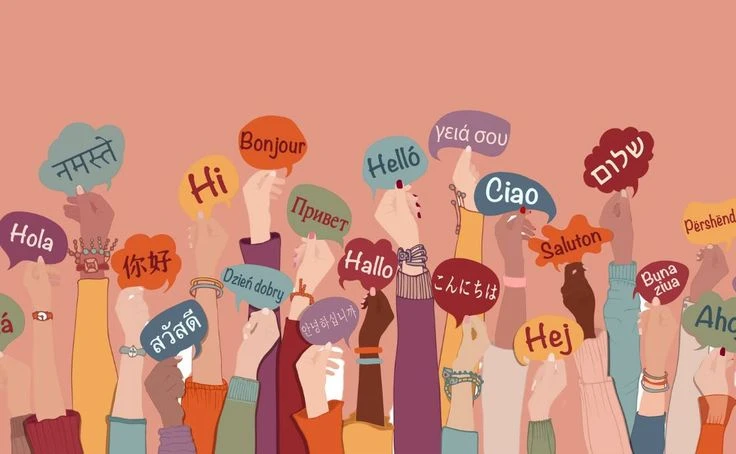
One word.
And I can repeat!
You can use Yandex Translate. Just use it with your mind. Otherwise you're not reading the test — you're reading the robot's opinion of the test, and the robot has no opinion, only a dictionary. It is absolutely ridiculous!
So, let it go!
It is not that complicated!
And one last thing. If you are reading this post right now through a translator, just know that you have understood nothing. Not the jokes, not the irony, not the point. The mirror has been held up to the mirror, and both of them are confused.
Learn English, come back and read it in English. You can do this!
I hope I made it sound easy.
Thank you for understanding.
P.S. If you're a native-speaker who has read this whole thing anyway, I told you it didn't concern you. But thanks for coming. I hope you enjoyed reading this pain.
Do you have emotions?6
Hello guys, in short, yesterday I was flipping through Instagram and came across a picture from my old birthday, I immediately remembered the whole story. It's been two years, probably, but I still remember and think what an idiot I could have been. I'll tell you how it was.
I turned 18, I decided to throw a party at home, nothing special, just my own ten people, a drunkard. Sanya showed up without a girlfriend, he and his ex broke up about six months ago. We're sitting a week before planning who to call, I say we'll have only men , it's some kind of bullshit. Sanya thinks and says, "Let's call her, she's okay , we broke up properly." Well, I guess it's okay if he doesn't mind.
X-day arrives, the former Sleigh shows up, let's call her Air, she's so beautiful and in a good mood. At first , everything was fine, music, games, booze, we talk normally. But by nightfall, the people were already pretty drunk and the air was full of shit. She started flirting with everyone, and then she stuck to me. She sits next to me all the time, touches my hand, laughs at everything I say, even if it's not funny at all.
Then she started carrying game altogether. Like, do you remember when we all went to the river, I looked at you then and thought you were cool. She said that even Sana said then that she liked me, but like they were together. She started remembering different moments when the three of us were hanging out, the booze completely loosened her tongue.
At one point, she actually put her head on my shoulder and whispered: "I've always wanted you , you know." I shuddered as she was sitting next to me, beautiful and drunk and available. People started to disperse, Sanya went out somewhere, we were sitting on the couch almost alone. She moved closer to me, and I could feel her breathing. I was really starting to get attracted to her, alcohol and passion were doing their thing. I already thought maybe he wouldn't find out, one night like that.
I was already starting to reply to her, like, yes, I always thought you were cool, too, when I heard Sanya's voice from the kitchen, he was asking one of the guests where the rest of the beer was. Then he came into the room to get the phone, saw us on the couch, and asked if everything was okay. I quickly said that it was okay, just sitting and talking. He nodded, picked up his phone, and went back to the kitchen. The air giggled and started to climb up to me again, but somehow my mood had already disappeared. I imagined how Sanya would find out, how he would look at me, how all our common kents would react. Anyway, I sobered up a bit right away.
I got up and said I'd call her a taxi right now, I had to go home. It was getting late. She started whining about why let's sit still, but I was already determined that nothing would happen. He took her outside, put her in a wheelbarrow, and returned. Sanya was sitting with a beer, asking where the Air had gone. I told her she had too much and sent her home. He nodded and said, well done, you did the right thing. She always didn't know how to drink.
That's where the fun started. A couple of days later, she texted me, like, sorry, I was drunk, I don't remember what I was talking about. And then she added that she actually remembers, and if I want, we can meet. I ignored her, but she wrote periodically for another two months. One day, Sanya saw her message on my phone by accident, and asked her what she was writing. I lied that he was just congratulating me on something. He believed me, but I noticed that he was somehow tense.
Then I found out from mutual acquaintances that she had told her friends about that evening, like that there was something between us . The rumors started, but it didn't seem to reach Sledge, but I was constantly on edge. We still talked, but I noticed that he began to treat me differently, like he didn't trust me as much. Maybe paranoia can really hear something xs.
And then, three months later, Sanya finally heard about these rumors from someone they knew. He got really angry, texted me like we need to talk. We met, and he immediately asked if there was something wrong with the Air. I honestly told her how it was, that she was drunk and came at me, that yes, I was tempted, I'm not a saint, but I sent her home and there was nothing. I even showed him her messages where she herself wrote that nothing had happened.
Sanya was silent for a long time, then he said that he believes me, but that I should have told him about that evening right away instead of hiding it. It's like that's what made everything go downhill, from these omissions. He was right, of course. We kind of made up, but the relationship is not what it used to be, it is some kind of crack. Maybe the xs will overgrow over time.
In short, I kind of did the right thing then, but still some kind of murky story came out. Maybe I shouldn't have called her at all, maybe I should have told Sana everything right away the next day, in short. Think for yourself.
What emotions did you experience when reading it?0
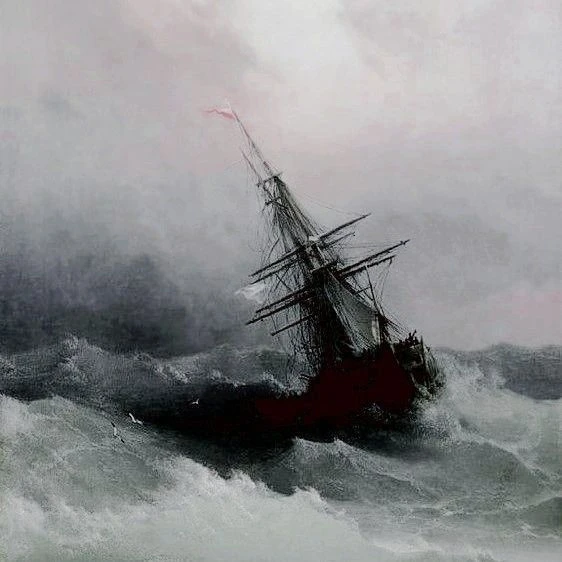
If you replace each component of the ship, will it remain the same object? And if it is new, at what point will it become so – with the first replaced part, the last one, or in the middle of reconstruction? Or maybe it's not the structure of the object at all, but its contents and purpose?
- the Tessei paradox
The frame, covered with dried mud, has been annoying my eyes for a long time. Every time I leave the entrance, I glance at the bell, covered with rust, and two wheels that have repeatedly plunged into oceans of autumn puddles.
My conscience finally couldn't stand it, and I took this red-and-black old man outside with a bucket of water and a worn rag. I spent two long hours scrubbing away all these stains. And here it stands before my eyes – a clean and shiny Mustang, ready to detour along dusty highways and green fields!
Why don't you go for a ride?
I sat on the leather seat, put my foot on the pedal, and gripped the steering wheel tightly. There was a slight jolt and the wind began to cut into two strips when it collided with my face. I had forgotten what it was like to maneuver like Formula 1 at high speed between passersby, avoiding pits and flying down slides. The race turned out to be so energetic and exciting that my first stop after an hour and a half was the gas station next to the tire shop at the entrance to the city center.
Unaccustomed to it, my calves are quite worn out. And my stomach, to be honest, began to grumble. I strapped my transport to a pole and went into the cool room of the gas station. A hearty hot dog in a compartment with an iced coke gave me a second wind, and I decided to continue my journey. But there was a darkening circumstance waiting for me on the street – the wheels of the bike turned out to be victims of a knife attack. They were not just punctured: I found impressive cuts on the tires, like on another corpse in the Hercule Poirot case, a pair of spokes were brutally chewed through with pliers, and along the red stripe there was an obscene expression desecrated with a black marker.
Looking around, I realized that the criminals had actively left the scene of the attack. Rescue was a few meters away from me, and I was forced to visit a tire repair shop. Fortunately, the men politely (just for the mower) brought me two suitable, albeit second-rate, bicycle wheels and one half-empty can of orange paint. The limb replacement operation was successful, and "design" adjustments were also made – the smooth factory red stripe turned into a crooked orange tail. I mounted my horse and rode forward.
By two o'clock in the afternoon, I left the city. Going down to the riverbank, I put down my bike and sat down on the grass to catch my breath. The harmonious silence was broken by a loud argument of people nearby. Looking at the source of the noise without interest, I saw two guys who were discussing something fiercely. The situation would have remained without my intervention if the conflict had not escalated into a serious fight. I'm sorry, I'm a fair person by nature , so I couldn't just leave the incident like that. Jumping on my bike, I hurried to separate the fighters. Well, the result was obvious – in response to my noble impulse, a good hook flew into my jaw , knocking me right back against my iron companion. The fall turned out to be unpleasant for both of us – I almost broke my arm, and he lost the bell, which broke off hopelessly and flew down the slope. The rivals hurried away.
Twenty minutes of searching turned out to be pointless – the call was not found, and I decided to return. As I approached my neighborhood, I drove onto a bridge that runs across the railroad. My mind was lost in thought about tomorrow.…
* * *
My thoughts scattered like bowling balls. The blow landed in the side. When I hit my head on the asphalt, I couldn't understand what had happened. All I saw was a gray sedan slammed into the truck of some hypermarket, and eight steps away was a bike with a broken frame and a chain that had shattered into individual microelements. For two hours, the staff conducted an assessment of the accident and found out how this horseradish managed to make the decision at a speed of 55 km/h to quickly bypass the Chevrolet in traffic and fly into oncoming traffic. After making sure that the wounds were not fatal, I stomped on, leaving my contact number for communication and subsequent testimony as a witness and partial victim (the driver of the van was much more seriously injured than mine).
By 6 p.m., after a tedious walk with a bike by the hand, I went into a sports store that I met along the way. The frame was replaced with a new blue one, and the chain and seat had to be replaced, the verb of which turned out to have an unreliable dent. In addition, I purchased a bell, since the previous one was missing. That's how I spent a few thousand and went home.
The courtyard parking lot was already fully filled, the sun was slowly setting over the horizon, and I was bringing the stallion to the entrance. "What a day. I was an unlucky passenger, wasn't I?" I thought and looked at him. I looked at it and didn't recognize it.
Ave! In this post, I will explain the meaning and origin of such a phraseological unit as "I came, I saw, I won." Sit back, enjoy reading!
Veni, vidi, vici (Latin for "came, saw, won") denotes quickly achieved successes or deftly and soon completed tasks.
After the wars with Rome, the Kingdom of Pontus was almost completely absorbed. Pharnaces II, the ruler of the remaining fragment, the Bosporan kingdom, dreamed of the revival of the state.
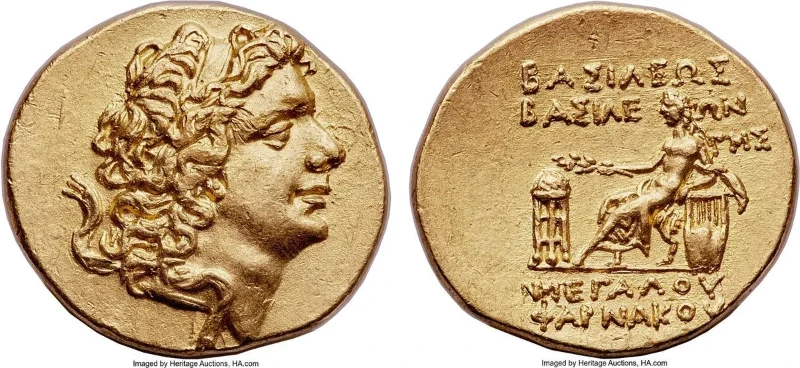
Coin with the image of Pharnaces II
A suitable opportunity arose during the civil war between Caesar and Pompey. The tsar started a war with Rome and quite easily captured Colchis, part of Cappadocia and a number of Roman cities in the province of Bithynia and Pontus. The commander Gnaeus Domitius Calvinus was sent to reconquer, but he was completely defeated by the troops of the Bosporan king.
Many Pontic cities were taken by battle; some of their inhabitants were sold into slavery. In Lesser Armenia, Pharnaces tried to incite the local rulers to revolt.
In 47 BC, Julius Caesar arrives in Asia. Further, according to sources, a battle almost immediately takes place between him and Pharnaces in a place near the city of Zela (now a Turkish city located in the north of the state).
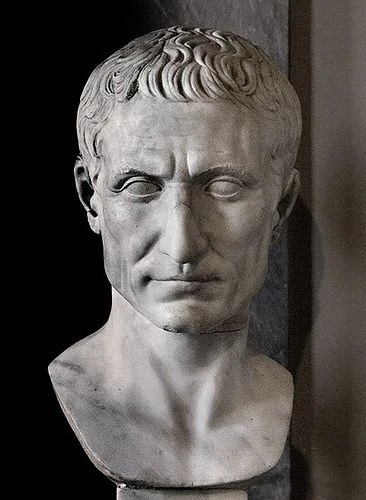
Bust of Gaius Julius Caesar
The recent victory over the legions and other rapid successes turned the Bosporan king's head, especially since Caesar had half as many men as Pharnaces. At dawn on August 2, his army began to descend the steep slope; it was supposed to put the Romans to flight with a decisive blow.
This rashness cost Pharnaces everything. His army was completely defeated, and the king himself fled the battlefield. That's how the war with the Bosporan ruler ended.
When Caesar returned to Rome, celebrating the Pontic triumph, among other things, the procession carried an inscription with the words "I came, I saw, I won": thus, one phrase immortalized the impetuosity with which the commander defeated his enemy.
Did you know that?2
Ave! June 1st has finally arrived, and also the moment to congratulate you! Sit back, enjoy reading!
* * *
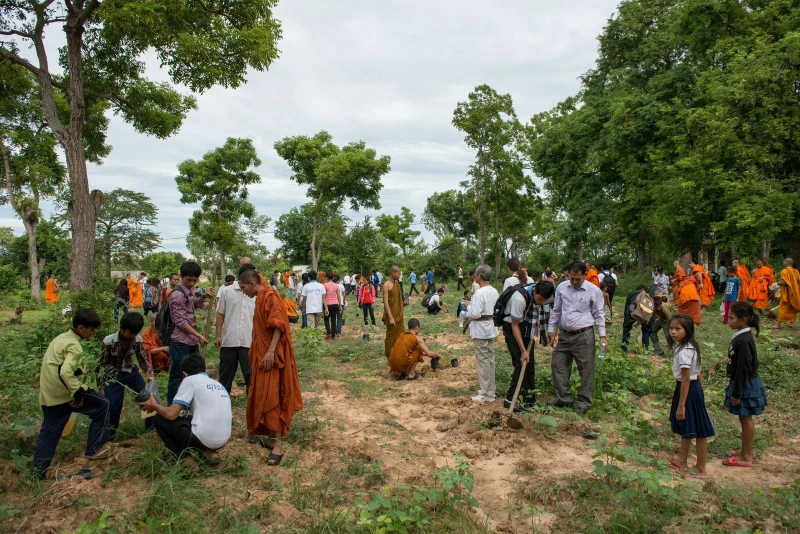
Today, Cambodians celebrate "Tree Planting Day." This is a kind of holiday that is celebrated in a number of countries around the world, and, as its name suggests, is associated with the planting of trees, the restoration of lost forests, or the desire to green and cultivate urban and suburban areas.: parks, squares, etc. Tree planting Day has almost a century and a half of history. Its founder was the American botanist, farmer, Minister of Agriculture Sterling Morton in 1874. The first day of tree planting was held in the town of Nebraska City (Nebraska, USA).In the USSR, it was once one of the most popular and widespread environmental holidays. The idea of planting forests with the help of schoolchildren penetrated into Russia in the last decade of the 19th century.
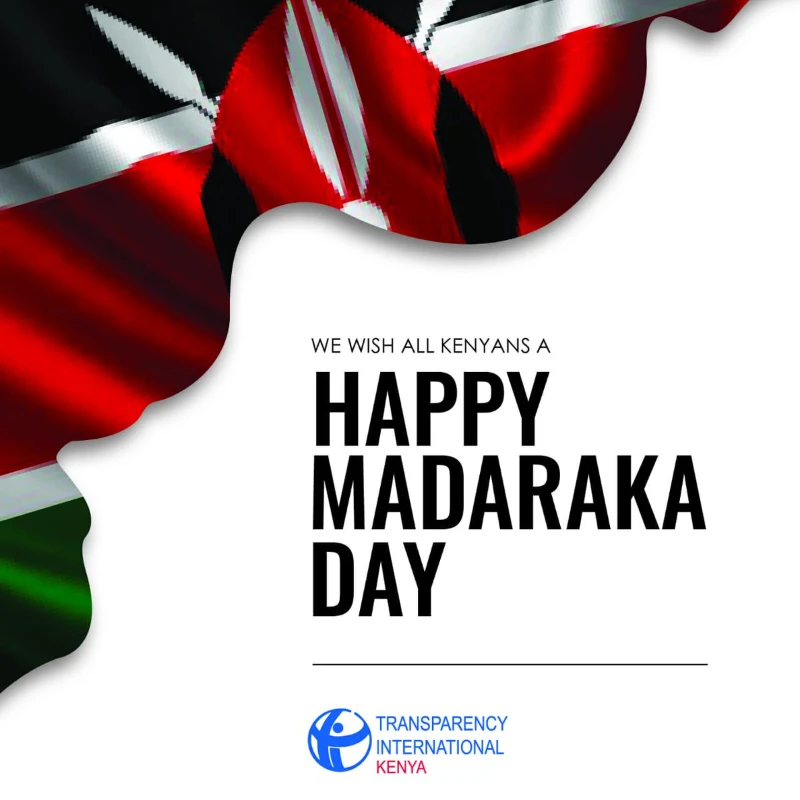
Madaraka Day is celebrated annually on June 1 and is considered a national holiday, which marks the day when Kenya became internally independent in 1963, just a year before full independence from Great Britain, which became another stage on the road to freedom. It was on June 1, 1963, that Kenya received the status of an autonomous self-government, which gave rise to the final breaking of the colonial shackles.

President of Palau Surangel S. Whipps, Jr.
June 1 is celebrated President's Day in Palau. On this day, various events are held throughout the country, including performances by folk song and dance ensembles, festivals, and general festivities. Ceremonies specially prepared for tourists are often held on this day.The Republic of Palau is a small island state in the Philippine Sea of the Pacific Ocean. Palau consists of 328 islands, with a total area of 458 square kilometers. The country is divided into 16 states.
* * *
Do you consider these holidays relevant for yourself?1
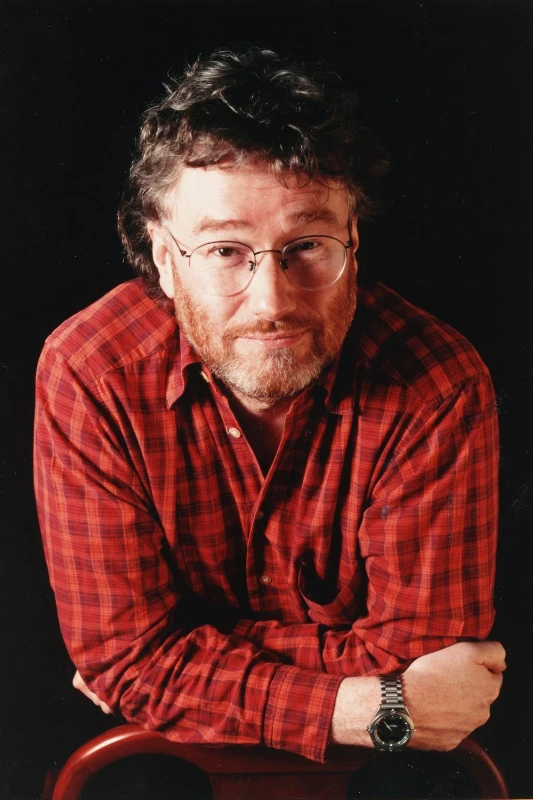
Ian Banks
Background.
I got to know Banks's work a year and a half ago when I read his most popular book, Wasp Factory".
The Factory has its own charm, but I didn't really appreciate the book. It's not about the trash that the author described there, but the fact that the plot, in my opinion, fell short. Neither the characters, nor the disclosure of the topic.
Nevertheless, I've heard that I.B. has other books that are just as good, if not better, than O.F. So I started Steps on Glass.
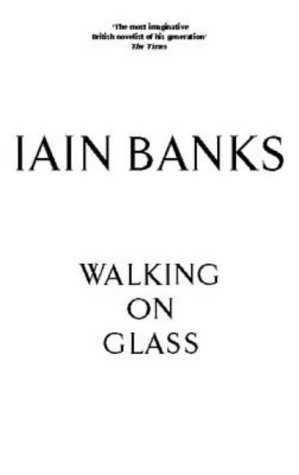
The plot of the book. "Steps on Glass" consists of three different plots, the chapters of which alternate with each other. Throughout the book, the stories don't seem to be interconnected in any way... right up to the last 3 chapters.
The first plot is the story of a young guy, Graham, who experiences love at first sight for a girl named Sarah. There are three main characters in this cycle:
1. Actually, Graham, who acts as the protagonist of his story. Kind person.
2. Sera, who, as I said, is the subject of the hero's interest. The lady is a mystery.
3. Slater is Graham's friend with his own idiosyncrasies.
The story is extremely interesting for the development of the relationship between the main characters, a couple who , after meeting at a party, begin to spend more and more time with each other, despite the fact that Sarah has a husband, from whom she left, and a biker lover. However, in the end, the seemingly romantic and sugary arch of Graham and Sarah comes to an extremely harsh conclusion, which is very surprising.
* * *
The second story tells about a construction worker named Steve Grout, who quits his job and starts wandering back and forth. The peculiarity of Steve is that he is... mentally ill, who believes that he is being hunted by alien "Tormentors". He dodges invisible lasers and sees traitors and scammers everywhere.
This is the least of my dreams. Paranoid nonsense about aliens, sociopathy and the nonsense that the hero is talking, and the story as a whole, is even slightly annoying and boring, but by the end of the storyline you even show empathy for the hero. Still, the guy was unlucky.
* * *
The third plot has a mystical/sci-fi motif, as it tells about a pair of old men, a man named Quiss and a woman named Ajaya, who enter a mysterious castle that is beyond time and space. In order to get out of the castle, the heroes must play unusual games of varying degrees of difficulty and guess the answer to the riddle: "What happens if an unstoppable object gets in the way of an unstoppable force ?".
The door lock hides a lot of secrets, just like its inhabitants.
* * *
The moral of this fable.
The connection between the three stories begins to show up in the last chapters. But the degree of this very connection depends purely on the reader. From the superficial references to the deeper meaning.
And the stories, like the whole book, have a lot to tell.
Why is the name "Steps on glass"? Because life is a leisurely journey across a glass floor.: you know or guess what's ahead, but at any moment there may be a crack in the glass that will change your plans. Or it will burst altogether. But even realizing the risk and planning the fate in advance, the landscape behind the glass is distorted, and it is not always clear what the truth is.
And it is precisely in truth and falsehood that the whole dilemma lies.
As Morpheus asked: which pill will you choose?
Find out the disgusting truth and live with it, or amuse yourself in your cozy little world, even if it's not true?
What will happen when an unstoppable force collides with an immovable object?
Book: "Steps on glass".
Author: Ian Banks.
Genre: I would classify the book as mystical realism.
Written: 1985.
Verdict: 8.5/10. It is easy to read, not voluminous and interesting.
There are three fundamental concepts in our world: objectivity, subjectivity, and intersubjectivity. Each of them plays a key role in our perception of reality and interaction with others.
The objective is something that exists independently of our judgments, opinions, and points of view.
Subjective is what is true for one, two, or several people, but false or unimportant for others.
Intersubjective is what is true for everyone or the majority. people, an entire society, or a culture.
Money is a vivid example of an intersubjective concept. By themselves , coins, banknotes and electronic numbers have no objective value. They cannot exist outside of our perception and agreement. But almost all the people of the planet tacitly agreed that money is the main currency of exchange.
Someone thinks that money is the root of evil. But in fact, they have become the highest point of trust and mutual understanding. As soon as a person realized the need for an exchange, he began to look for ways to simplify this process. Money has become the perfect solution. After all, it's always inconvenient to barter things and each time come up with the price of one goat in the currency of a different number of cabbages .
Money unites people of different religions, political views and philosophical beliefs. They have become a universal language that everyone understands. No matter what we believe in, we all use money to exchange and trade.
However, finance is not just a tool. This is a myth created by mankind to simplify life. They have become the cause of power and wealth, which, as we know, can corrupt people. But this is the paradox of man: to invent something that, according to the idea, simplifies life, but adds nuances.

Don't be greedy. Earn a lot of money honestly. Happy New Year to all!
A post I saw recently joked about how literature reflects what people are willing to die for—freedom in America, love in France, honor in English Literature.
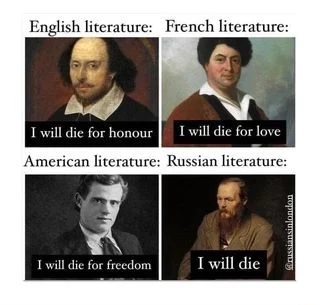
The Post
I assumed this perspective is taken from classic books from each nation, so maybe it's a bit outdated. Then I thought: People still die for love, yes. People still die for freedom, yes. But honor?
It feels like such an old-fashioned concept! Something tied to knights and duels and grand sacrifices of a bygone age. Yet, there was a time when honor was a supreme principle, it meant everything- a person's entire identity and legacy rested on it. Losing your honor was worse than death itself. But now.... who cares about it? What do we honor so much that we'd be willing to die for it? What principle? What values? What beliefs?
We don't fight duels to protect our reputation (not saying that we should), we don't risk everything to keep a promise. We don't have beliefs or ideals that we are willing to lay down our lives for. We are not like Joan of Arc who was willing to burn in order to stay true to her divine visions or Socrates who drunk hemlock rather than betraying his philosophy or Dietrich Bonhoeffer, a German theologian who was executed for standing against the Nazi regime or Hypatia of Alexandria who was killed for her devotion to science and philosophy in a time of great political and religious unrest.
What these people had in common was that they were willing to die for their beliefs, their principles. For them honor wasn't an abstract ideal but something worth sacrificing for. But they are figures of another time, aren't they? What do we value today that we are willing to die for it?
I think in modern society we prize convenience and comfort over principles. We are more concerned with self-preservation and so we relegated honor to an abstract ideal. We aren't willing to die for it. Our principles, while valued do not hold enough weight to demand such a sacrifice, we'd rather compromise.
We've traded the idea of living and guarding something greater than ourselves for a more easy-going existence. The bold, extreme sacrifices that once were acts of honor seem... foreign, and a little unnecessary. When did this shift happen?
I also think that maybe honor has evolved into something new. It doesn't carry the same life-or-death stakes, but it still motivates us to stand up for ourselves, maintain self-respect or defend the dignity of others.
Is that enough? Or does our fidelity to our honor and principles need to manifest itself some other way, some other extreme way - like dying for it if it comes down to that?
Is it necessary for us to die for honor and our beliefs to show our fidelity?2
Hello everyone
I suppose you are reading this post from the screen of some device, sitting under the light of an electric lamp and surrounded by equipment of various types, kinds and purposes.
Yes, it's so familiar to us. Technological progress is striding across the planet in a wide stride and nothing will stop it. And this, of course, is happiness for us. Right?
Let's talk about this today.
It would seem that there are only advantages. Today you can live to the fullest and use a lot of those amenities that were previously unavailable. You can order food with just a couple of clicks on the phone. You can earn good money and even get an education remotely.
You can receive treatment in the best conditions and with the help of the highest quality equipment.
Even talking about something more intangible, you can mention the same art. Technology helps artists, sculptors, and architects. They help young talents share their creativity with the world. And so on down the list.
I think we've talked about the pros enough. And you probably know them perfectly well without me and understand their essence. I will add food for thought by adding cons.
What? Disadvantages of progress? Yes, there are such people. And I'm not even talking about pop degradation, "good times giving birth to weak people" and the like. Every stubborn and boring reactionary will tell you about it.
An interesting look at the main problem of the development of technological progress is seen in something else. I even partially agree with this statement.
The bottom line is that the more advanced technology is, the more a person is not free.
Just think! Now, in the age of the information revolution, data about you is "on a platter" for any interested party. Authorities and authorities? Yes. Annoying advertisers and hucksters? Yes. Scammers and cybercriminals? Also yes.
We do not hesitate to store very important information about us in a prominent place, even though they want to instill in us a sense of security and anonymity.
What someone used to be able to write in a personal diary or store in their head in view of its extreme importance is now in almost open access, remarkably fulfilling the role of compromising material.
And who knows when you will stumble and this compromising material will be used against you?
Even abstracting from the World Wide Web and taking into account ... Well, let's say security cameras. It would seem that a noble goal is to either stop crimes through video recording, or use recordings in the prosecution.
But here's the thing - in court, only one video recording is rarely accepted as evidence.
At the same time, cameras are very well used for repressive purposes. China, Russia, Canada, the USA - these countries show us wonderfully how the state is ready to invest in progress, but only in order to stifle us even more.
You can take this opinion as the words of weirdos with a foil cap on their heads and torches for 5-G towers, but admit it, even you sometimes had such suspicions.
And even though I think there are more advantages in technology anyway, I also tend to partially agree with such concerns. For, as some say, man has never been so unfree.
In the meantime, I'll leave you to reflect on this topic. Thank you all for reading and see you soon!
Recently, it has been customary in society to criticize theological worldviews and religion in general. It is logical, we live in the era of postmodernism, "God is dead", etc.
However, it seems to me that religion is much more important than many people think. Today I will try to describe the advantages of religion for our society. Of course, I do not advocate theocracy or anything like that, but it is impossible not to touch on this topic.
A human being is a creature that needs support. In its absence, the individual may be squeezed, marginalized and his problems will worsen.
When a series of problems comes, a person needs to calm down. He needs to somehow ease his fear of the unknown. And it is at such moments that people begin to believe in God. Severe illness, life difficulties, fear of a vague and vague future. Human nature, experiencing such stress, tends to get away from it, switch to something that will comfort him.
Religion is exactly such a "comforter". She calms even those who can no longer be helped, giving them hope for an afterlife. Maybe this is self-deception, but it lightens the already heavy burden on the shoulders of unhappy people.
If life's obstacles are overcome, the fire that religion ignites in people's hearts can encourage them to help those in need and comfort them themselves.
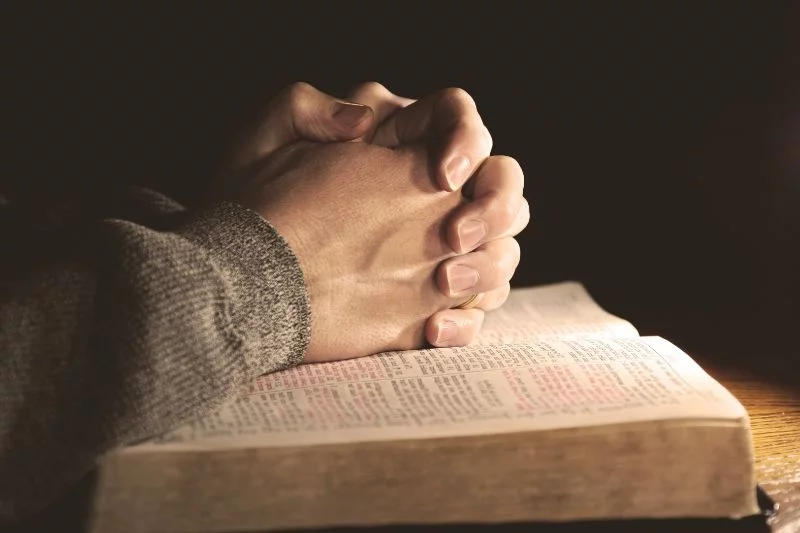
The second point follows smoothly from the previous one.
Almost any religion preaches mercy, compassion, and love for one's neighbor. Therefore, a lot of sincerely believing people create charitable societies and organizations that help those in need.
Rehabilitation centers for addicts, humanitarian aid centers, almshouses, projects to help the disabled, orphanages - these and much more are created by believers with sincere altruistic motives.
And sometimes, in conditions of abandonment by both the state and almost the rest of society, religious organizations are the only salvation for those in need.
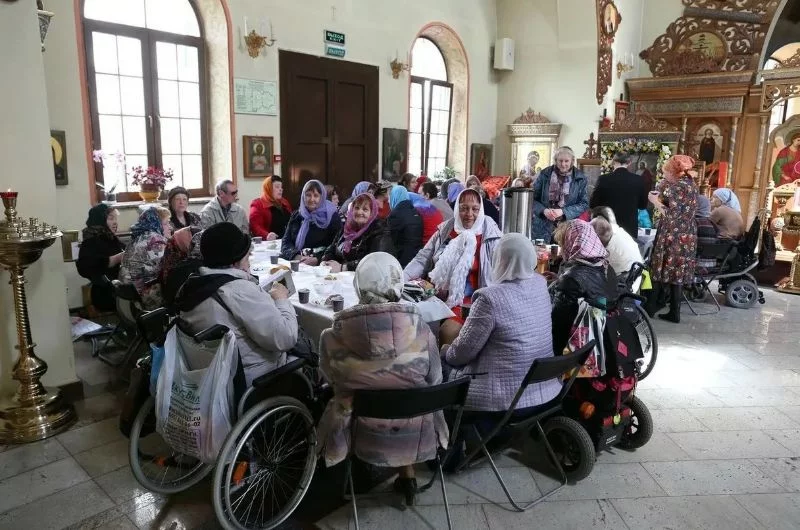
I do not dispute that some dogmas and rules of some religions may seem outdated and even stupid. But in the vast majority, the norms that certain religions preach are quite correct.
Do not kill, do not steal, do not give false testimony, etc. Of course, excessive dogmatism is very often harmful, but in an acceptable amount, these norms are extremely clear moral guidelines.
And combining the previous theses, even for many serious crimes there is forgiveness. It can also calm a person down and put them on the right path.
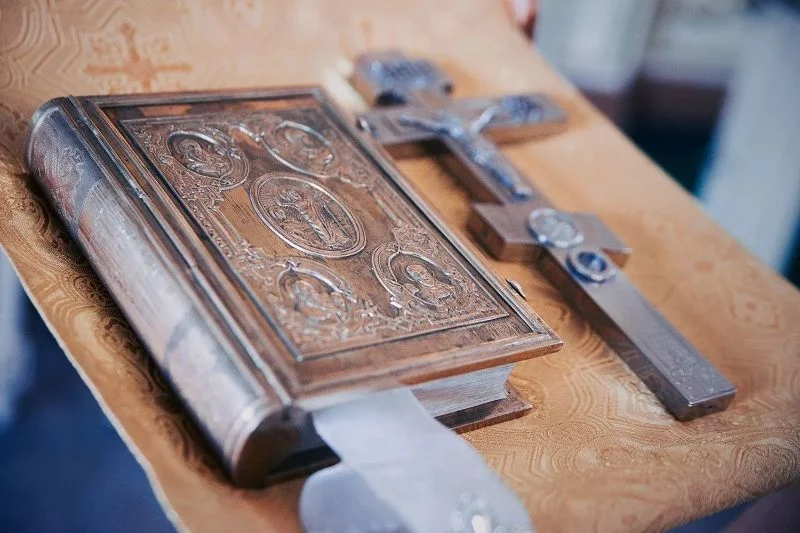
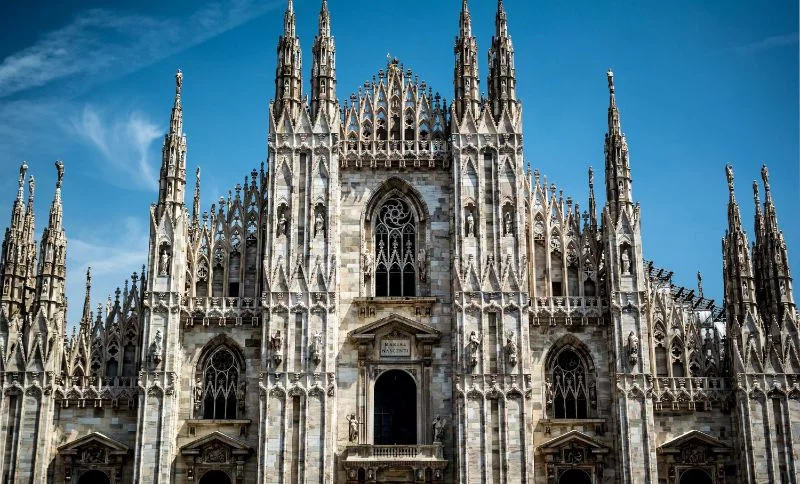
Religion undoubtedly contributed to a certain growth of cultural "baggage". The development of architectural styles, sculpture, painting. Influence on literature and theater. Moreover, everything is limited not only to morality or mysteries, but also quite exciting plots.
Even modern art can sometimes borrow classical religious subjects. And all this is a symbol of the influence of religion on human life.
And today we will finish with an equally important point - the development of education and science.
Yes, although the church often spoke from orthodox and conservative positions, but at the initial stage it was her merit that many examples of scientific progress were. Monks are scientists, priests are chroniclers, healers at monasteries, schools at churches.
All of this has undoubtedly been a huge success. And it allowed the world science to develop in the future.
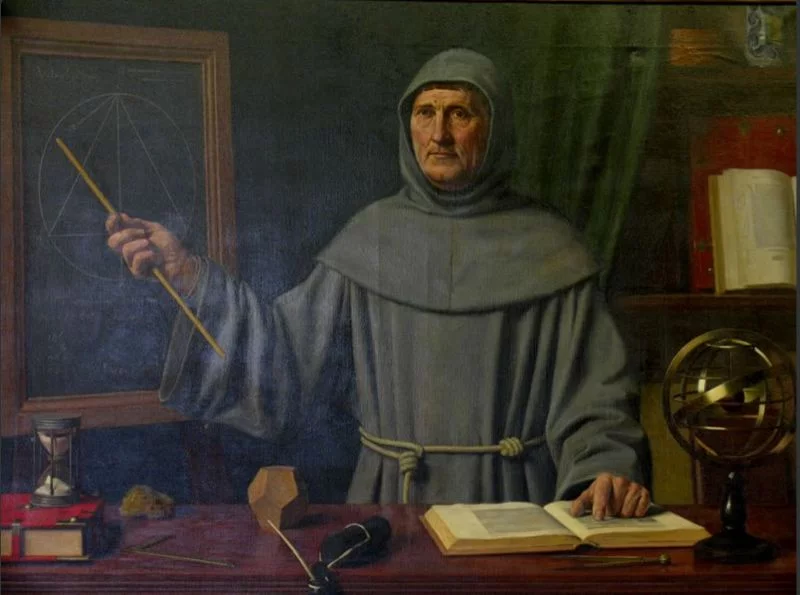
In the afterword, I note that religion, like any other thing in this world, has its disadvantages. There are also very zealous fanatics who distort the idea of faith. However, it is also not worth denying its advantages.
Peace be upon your home.

