Gexograf
Ave! In this post, I will explain the meaning and origin of such a phraseological unit as "I came, I saw, I won." Sit back, enjoy reading!
Veni, vidi, vici (Latin for "came, saw, won") denotes quickly achieved successes or deftly and soon completed tasks.
After the wars with Rome, the Kingdom of Pontus was almost completely absorbed. Pharnaces II, the ruler of the remaining fragment, the Bosporan kingdom, dreamed of the revival of the state.
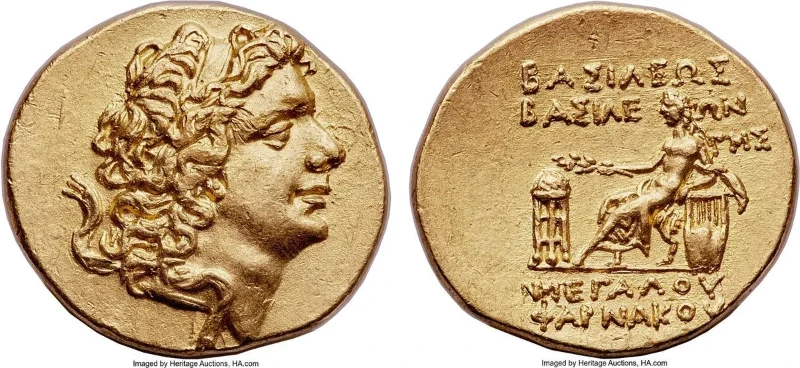
Coin with the image of Pharnaces II
A suitable opportunity arose during the civil war between Caesar and Pompey. The tsar started a war with Rome and quite easily captured Colchis, part of Cappadocia and a number of Roman cities in the province of Bithynia and Pontus. The commander Gnaeus Domitius Calvinus was sent to reconquer, but he was completely defeated by the troops of the Bosporan king.
Many Pontic cities were taken by battle; some of their inhabitants were sold into slavery. In Lesser Armenia, Pharnaces tried to incite the local rulers to revolt.
In 47 BC, Julius Caesar arrives in Asia. Further, according to sources, a battle almost immediately takes place between him and Pharnaces in a place near the city of Zela (now a Turkish city located in the north of the state).
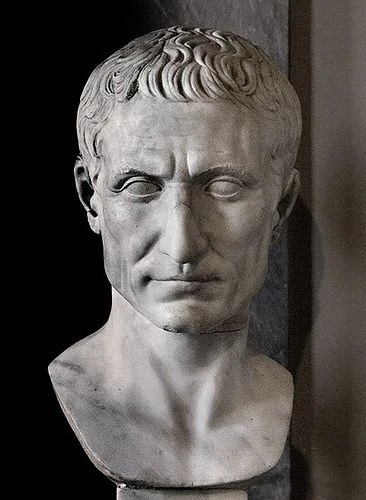
Bust of Gaius Julius Caesar
The recent victory over the legions and other rapid successes turned the Bosporan king's head, especially since Caesar had half as many men as Pharnaces. At dawn on August 2, his army began to descend the steep slope; it was supposed to put the Romans to flight with a decisive blow.
This rashness cost Pharnaces everything. His army was completely defeated, and the king himself fled the battlefield. That's how the war with the Bosporan ruler ended.
When Caesar returned to Rome, celebrating the Pontic triumph, among other things, the procession carried an inscription with the words "I came, I saw, I won": thus, one phrase immortalized the impetuosity with which the commander defeated his enemy.
Did you know that?2
Ave! June 1st has finally arrived, and also the moment to congratulate you! Sit back, enjoy reading!
* * *

Today, Cambodians celebrate "Tree Planting Day." This is a kind of holiday that is celebrated in a number of countries around the world, and, as its name suggests, is associated with the planting of trees, the restoration of lost forests, or the desire to green and cultivate urban and suburban areas.: parks, squares, etc. Tree planting Day has almost a century and a half of history. Its founder was the American botanist, farmer, Minister of Agriculture Sterling Morton in 1874. The first day of tree planting was held in the town of Nebraska City (Nebraska, USA).In the USSR, it was once one of the most popular and widespread environmental holidays. The idea of planting forests with the help of schoolchildren penetrated into Russia in the last decade of the 19th century.

Madaraka Day is celebrated annually on June 1 and is considered a national holiday, which marks the day when Kenya became internally independent in 1963, just a year before full independence from Great Britain, which became another stage on the road to freedom. It was on June 1, 1963, that Kenya received the status of an autonomous self-government, which gave rise to the final breaking of the colonial shackles.
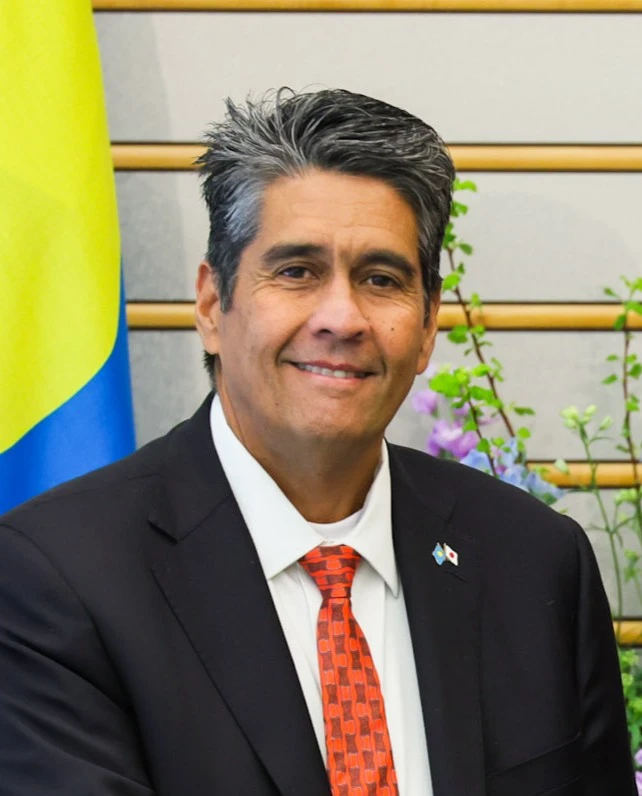
President of Palau Surangel S. Whipps, Jr.
June 1 is celebrated President's Day in Palau. On this day, various events are held throughout the country, including performances by folk song and dance ensembles, festivals, and general festivities. Ceremonies specially prepared for tourists are often held on this day.The Republic of Palau is a small island state in the Philippine Sea of the Pacific Ocean. Palau consists of 328 islands, with a total area of 458 square kilometers. The country is divided into 16 states.
* * *
Do you consider these holidays relevant for yourself?1
As my (relatively) know old subscribers, I used to have a different avatar. And I want to know if it's worth returning it.
The old avatar
* * *
Current avatar
* * *
Other options:
#1
#2
#3
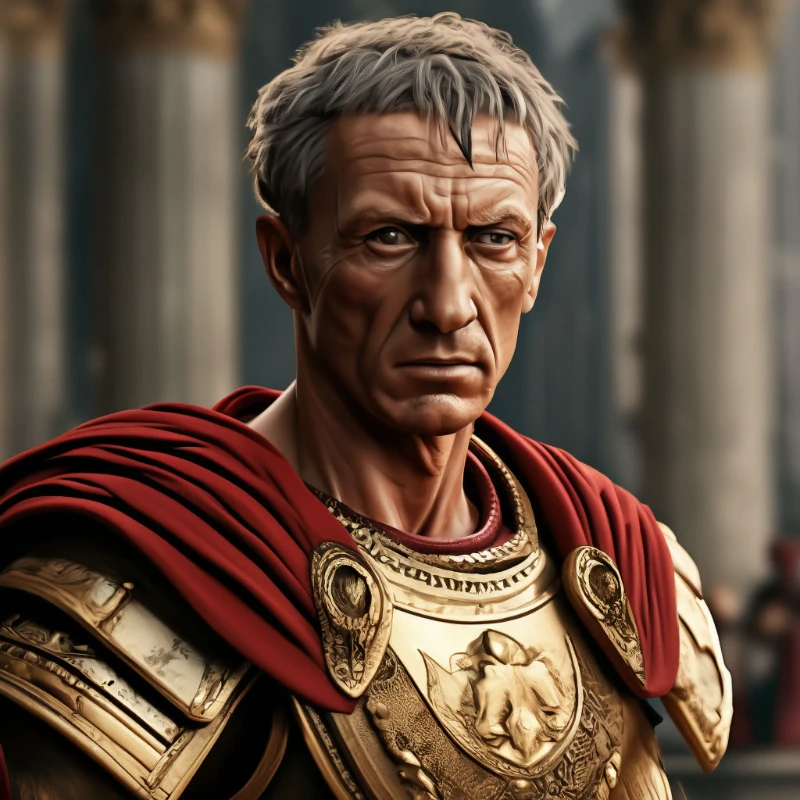
#4

#5
Which option is better?1
There were several reasons for the creation of the union: The Hanseatic League, consisting mainly of North German cities, dominated trade in Scandinavia and hindered the development of cities in this region. Also, due to the Little Ice Age, the climate worsened, many noble Scandinavian families had possessions throughout Northern Europe, a common king would be a guarantor for them to preserve their possessions. Denmark alone could not continue its expansion in northern Germany and the Baltic States, and Norway seriously lacked resources.
At one point, the situation turned out to be due to which the union was created. The daughter of Danish King Voldemar IV, Margaret, became the wife of the Norwegian king, and her son Olaf became the heir to Denmark and Norway, and soon inherited both states. However, the infant king could not rule the country, so his mother Margaret became regent, who outlived her son and became queen of Denmark and Norway. At that time, the Swedish nobility was dissatisfied with Albrecht of Mecklenburg, who ruled there (who was also from the German principality of Mecklenburg) and invited Margaret to overthrow him and become queen herself. In 1389, Margaret became the ruler of Sweden.
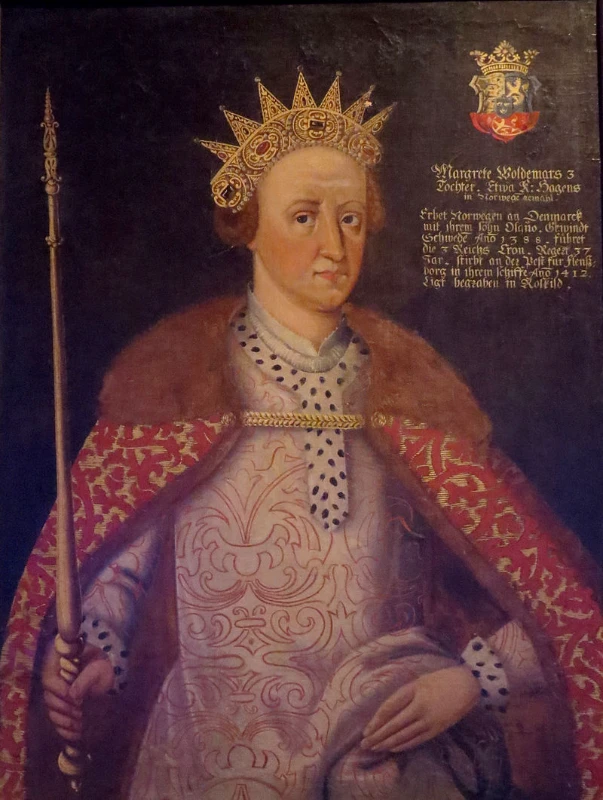
Marguerite of Denmark
In 1397, at a meeting of representatives of the three kingdoms in the city of Kalmar (that's why the union is called Kalmar), it was decided to make Eric of Pomerania (Margaret's nephew) king of Denmark, Norway and Sweden, forming a personal union. This meant that the three kingdoms remained independent, but they were ruled by a single king.
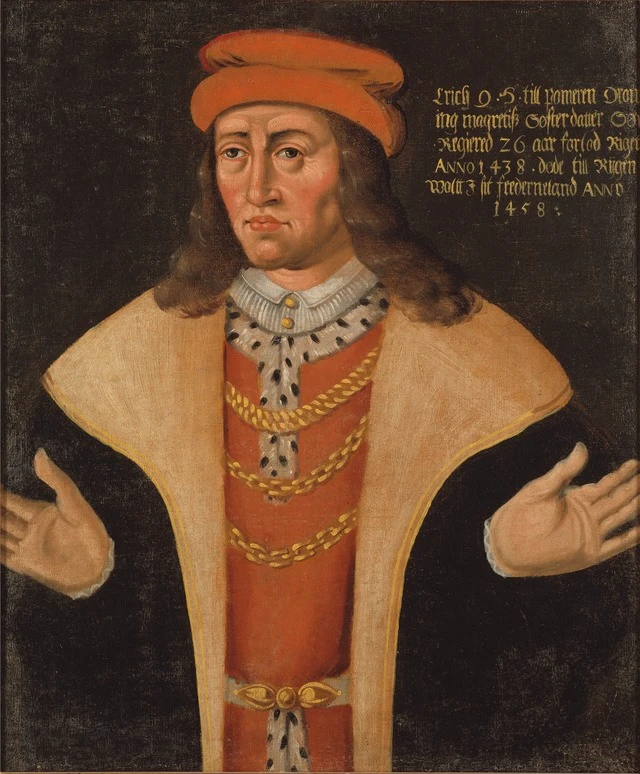
Eric Pomeransky
The Union did not exist peacefully. Denmark wanted to expand its influence to other lands and raised taxes in Sweden and Norway, which caused serious discontent in them, especially in Sweden. In the middle of the 15th century, it fought wars of independence. In 1448, after the death of the childless Christopher of Bavaria, Sweden elected its king and began the struggle for supremacy in the union. The confrontation continued for many years.
The Danish-Swedish union was finally abolished by the Peace of Stettin in 1570, according to the terms of which the Danish king renounced his claims to the Swedish throne, and the Swedish king renounced Norway, which remained subject to the Danes, although in fact the collapse of the union occurred earlier.
Scandinavia was previously under a single government, but due to the different political interests of individual states, the union collapsed and ceased to exist.
* * *
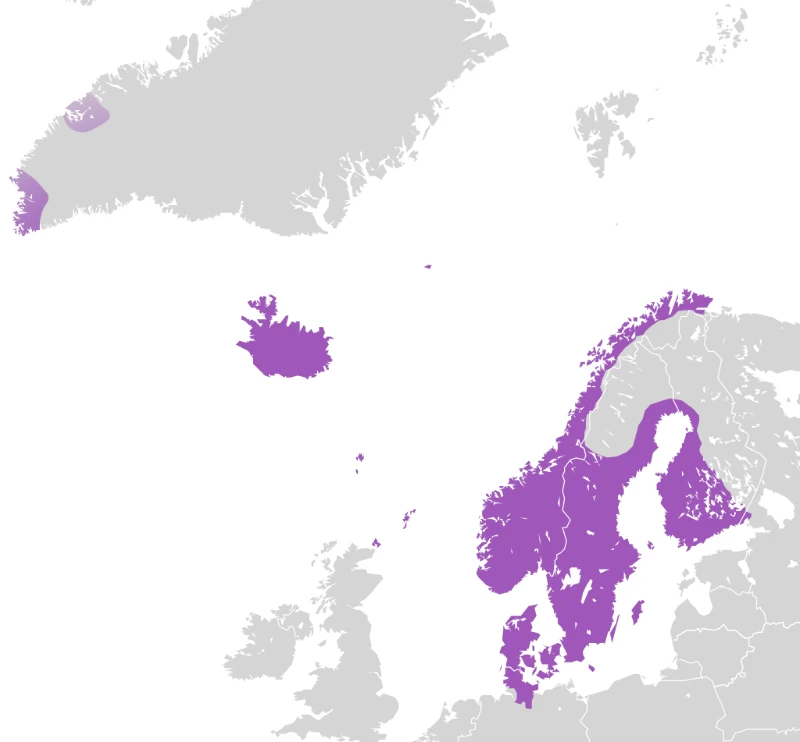
The Kalmar Union in 1400
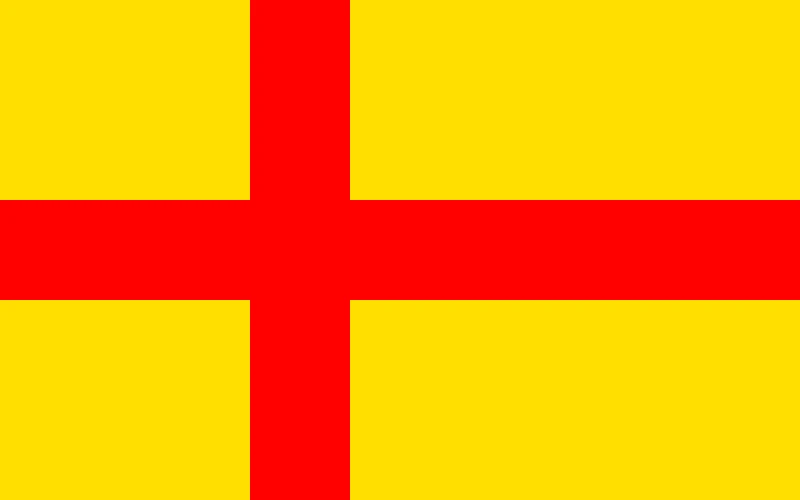
Possible union flag
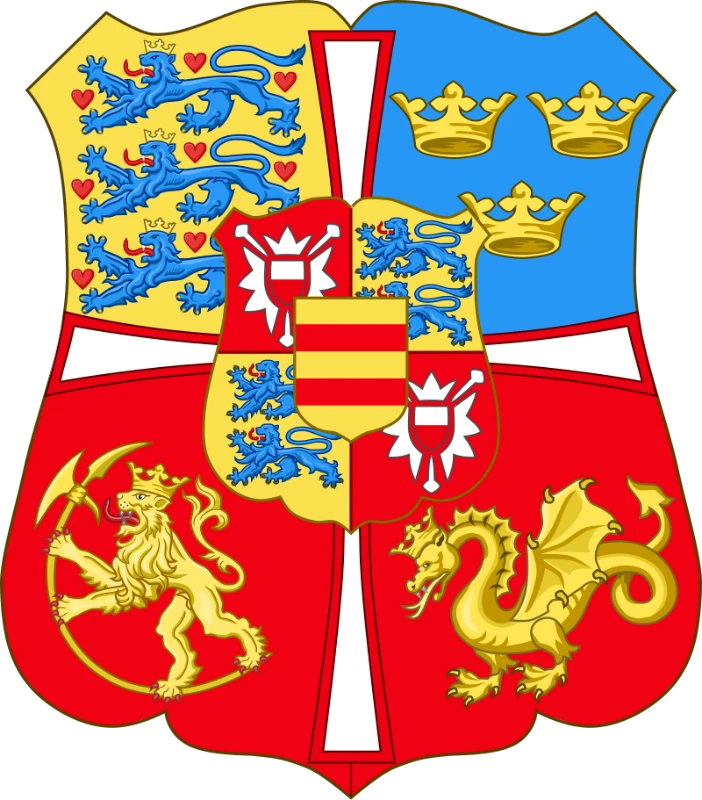
Coat of arms of the Union
At the beginning of the 19th century, Italy was divided into many states. They were economically backward, and were also influenced by the neighboring Austrian Empire, which owned Lombardy and Venice.
In 1848, the "Spring of Nations" began. Lombardy and Venice rebelled against Austria and received help from the King of Sardinia-Piedmont. Patriots from almost all over Italy rushed to support the uprising. However, in 1849, Sardinia was defeated in the Battle of Novara, and King Charles Albert abdicated in favor of his son Victor Emanuel II.
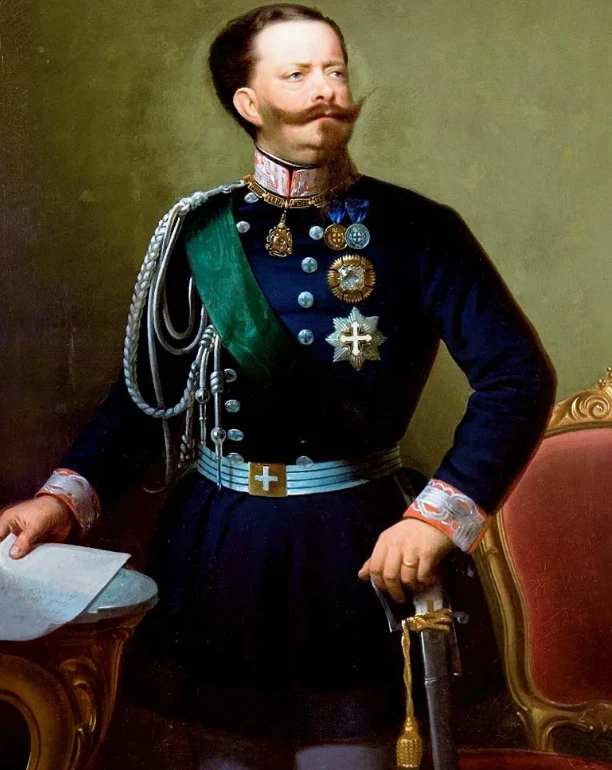
Victor Emanuel II
In the 1850s, the Sardinian Kingdom grew in strength. It made a new attempt to unite Italy, handed over Savoy and Nice to France in order to conclude an alliance with it. In 1859, the war of France and Sardinia-Piedmont against Austria began. The former won, and the Sardinian Kingdom gained Lombardy.
Shortly after the war, Tuscany, Modena and Parma first became puppets of Piedmont, and then became part of it. Romagna (part of the Papal Region) She also joined Piedmont.
The last Italian state that did not join the revolution was the Kingdom of the Two Sicilies. Victor Emanuel II sent Giuseppe Garibaldi (who had previously become famous in the battles for the unification of Italy) to support the uprising in Sicily. Garibaldi, initially with very small forces, with the help of the locals managed to annex the kingdom of Both Sicilies to Piedmont.
Thus, by the end of 1860, all of Italy was under the rule of Piedmont, not counting the Papal Region (it was in the sphere of influence of France and the French king Napoleon III kept a serious army there, which made the invasion of Rome an adventure that would most likely lead to a war between Piedmont and France) and Venice. The Italian Parliament, which met in Turin on March 17, 1861, announced the creation of the Italian Kingdom, headed by the Piedmontese King Victor Emmanuel II.
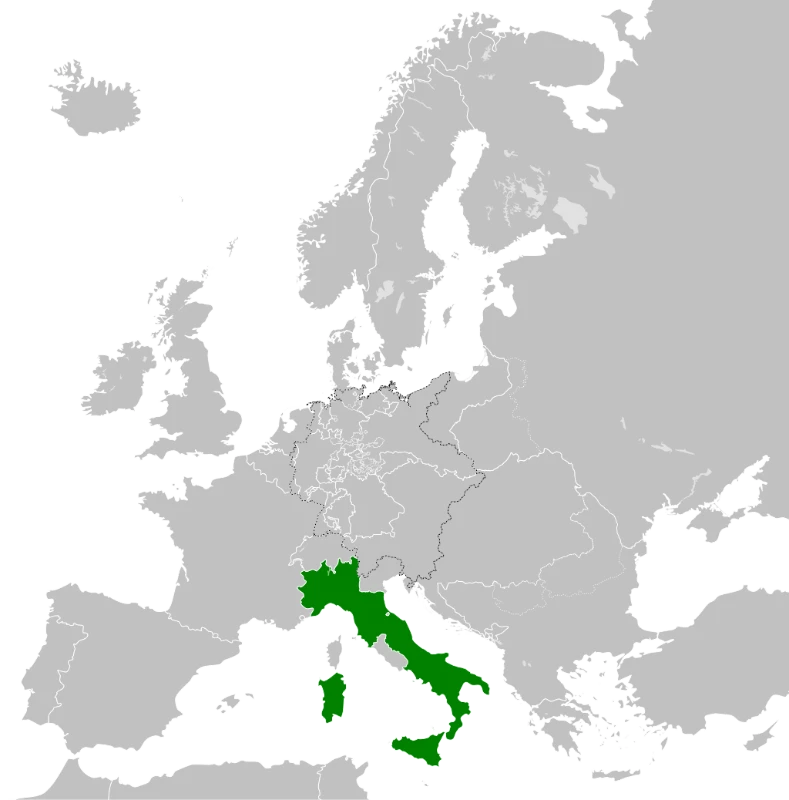
The territory of Italy in 1861
In 1866, in order to liberate Venice, Italy accepted Bismarck's proposal to form a military alliance with Prussia against Austria, as a result of the Austro-Prussian-Italian War, Italy received Venice. In 1870, due to the outbreak of the Franco-Prussian War, the French garrison was withdrawn from Rome, thanks to which Italy was able to annex the Papal Region. The capital was moved to Rome.
That's all. I hope you enjoyed it.

