Hi everyone, dear friends! It's me! Today I gained 7 new subscribers! I am very grateful to you, so I’m going to show you how to make an atomic bomb.

So, in this post, we’ll explain everything—how to create it, and much more. And, of course, we’ll drop a bombshell at the end.
So, let's get started. To begin with—as you surely realize—the main component of an atomic bomb is uranium. I’ll show it to you now.
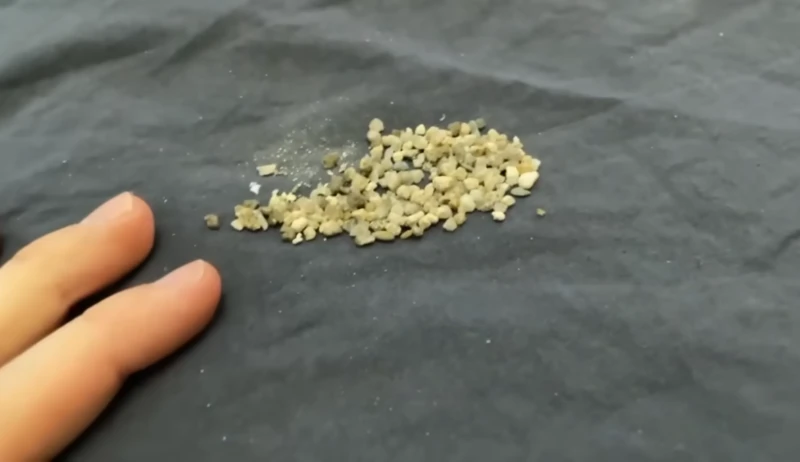
Uranium-235, specifically. Here it is. I don't know why, but we had a really hard time getting hold of it. But we managed it!
Uranium is very expensive and effective. I’ll show you right now.
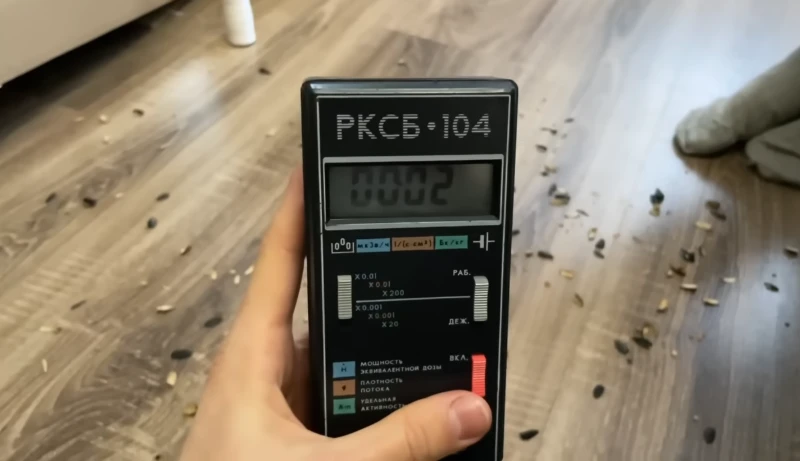
So, that's what you see: normal background radiation in an apartment. Now I'll show you uranium.
And this thing is pretty expensive—even the Russian-made one! Anyway, I’m going to show you the radiation from the uranium now.
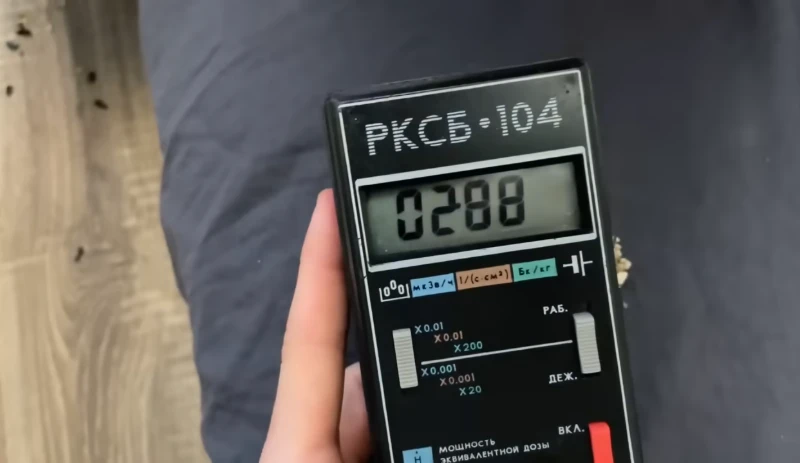
Oh, look how fast it's growing. It's a shame the photo doesn't capture it—it makes such squeaky sounds, too.
So now, let's look for the material to make it!

So there you have it, my friend! And now, let's take a look!
Here is a brief explanation of how it works. It is all an avalanche-like nuclear release—specifically, heavy nuclei acting on heavy ones, and light nuclei on light ones. It all happens rapidly, instantaneously, and in an avalanche-like chain reaction.

So, let's get to work. We're going to need some help here!
You need to take the uranium and put it into a container, then transfer it from the container into a bottle.
Now for the most important part...

It is very dangerous. That is why we must quickly ignite the uranium and run away, and then there will be an explosion.
One, two, three. And we run!

We're expecting an explosion!!!

There’s no explosion!
We double-checked all the material, but ultimately found nothing.

This is very sad. It seems there is a hardware error! Okay, maybe we'll check it next time.

Alright, it's time to say goodbye! See you soon!!! Thanks for the 7 subscribers!!!
Do you like cooking shows and food videos? The ones where the host is cooking something delicious, and your mouth is watering. However, most of the time, we have to make do with snacks like sandwiches or, at the very least, pasta and a sausage.
However, in theory, everything that the chefs on TV are cooking with such skill can be replicated at home. The only difference is that some of these dishes have been discontinued over time. However, even in these cases, there is still hope, as the production techniques have not disappeared, and with the right effort, these dishes can be recreated.
However, there is one category of dishes that cannot be tasted even in theory. These are the dishes that cannot be purchased in stores, grown at home, or ordered through delivery services. In this article, we will explore the dishes that have disappeared from our lives forever (well, almost forever). We will start with something more familiar and have a small chance of being revived, and then move on to something more mysterious.
I suggest that you sit back, grab a snack, and enjoy this article, as you are unlikely to find the items mentioned later.
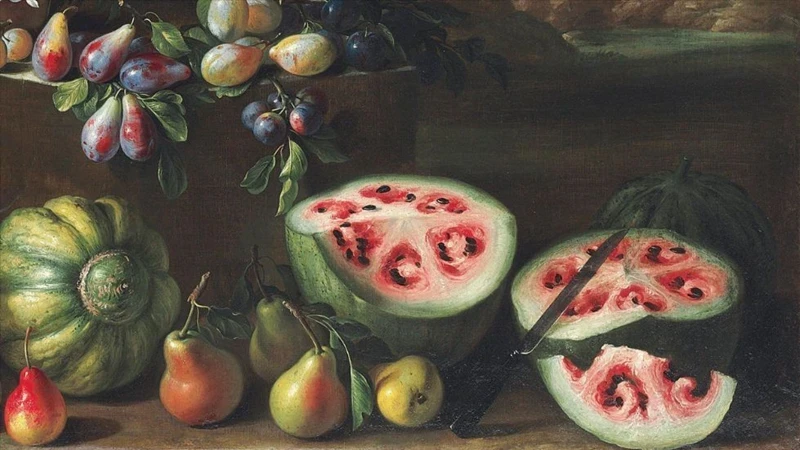
It's impossible to imagine summer without the juicy, red, and oval friend that we all love so much. Yes, I'm talking about the watermelon. As the classic saying goes, "Give a man a fish and he'll be happy all day, but give him a watermelon and he'll be pissing all night." However, has the watermelon always been the same as we know it?
Nope, it hasn't.
In fact, the watermelon itself originated either in southern Africa (where there's rampant HIV and drug addiction) or in northeastern Africa (where there's a hellish desert and civil wars). Over the centuries, it gradually made its way to the regions of the Middle East, northern Africa, and Asia. From there, it made its way to Europe through the Crusades. Interestingly, it arrived in a slightly different form compared to what we're used to. The flesh was white, the seeds were several times larger, and the shape was spherical.
The old watermelon bore a striking resemblance to its desert-dwelling cousin, the colocynth, which sometimes resembled the old berries. However, there was a significant difference in taste. While the colocynth was bitter and unpleasant, the watermelon exuded a delicate sweetness. In essence, the taste of the old watermelon was not significantly different from the new one, as breeders focused on altering the appearance rather than the taste.

By the way, I've never been a fan of dates. However, to be fair, I've only ever eaten them dried. Perhaps they taste better when fresh.
So, what was I talking about?
Dates! They are the main symbol of Egypt and other Arab countries. In fact, almost all the dates we grow today are imported from Egypt. However, this wasn't always the case.Since ancient times and up until the Middle Ages, Judea was the primary center for growing date palms. It's no coincidence that one of the most significant Semitic states in history is known by its Greek name, Phoenicia.
Judean dates were considered the standard in the Mediterranean region and beyond. This had a significant impact on the region's culture, as the date palm was the symbol of Judea.However, things didn't stay the same forever. Over time, the region became more arid. The date palms that grew along the banks of the Jordan River, the Dead Sea, and the Sea of Galilee, which required abundant moisture, gradually declined and eventually disappeared in the 14th century.
However, things didn't end there. Recently, during the excavation of King Herod's palace, seeds of the Judean date palm were discovered. One of these seeds has already sprouted and may soon bear fruit.
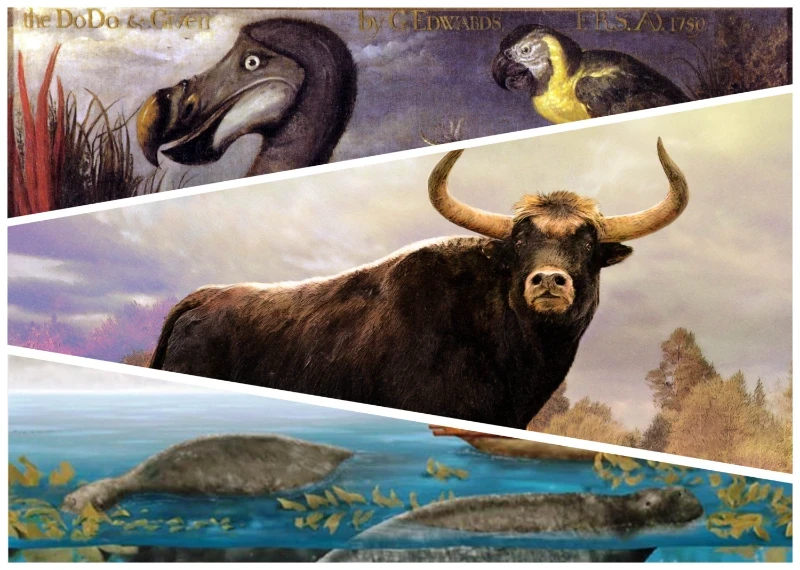
To be fair, not all extinct animals are out of reach. Thanks to genetic charlatans, you can still try a mammoth meat patty. However, it will cost you a pretty penny. Despite its antiquity, the mammoth has been well-preserved (thanks to its habitat), unlike the other three fascinating animals I've included in this post.
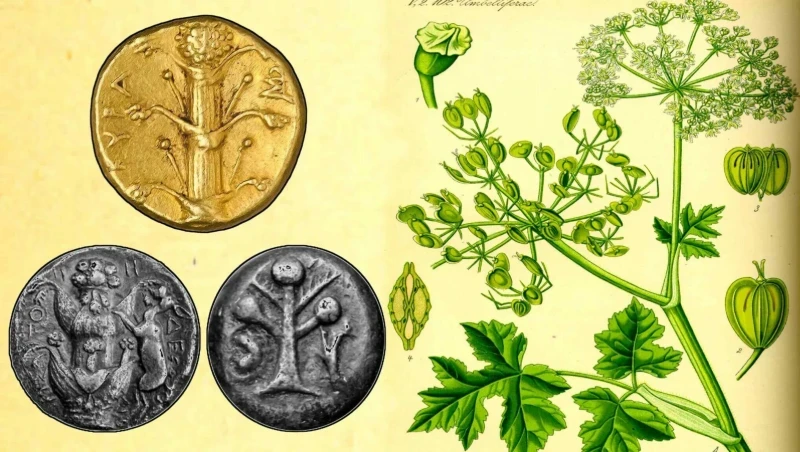
I suggest switching from vegetables and meat to spices. Sylphy is one of them.
In general, initially silphium is a plant of the umbrella family, which includes hogweed, carrot, and coriander. It has found special use in the Mediterranean, being used as a spice and medicinal preparation (and also to stimulate miscarriages).
Sylphius was very popular and very expensive. However, due to the desire of people to store it as much as possible, as well as the difficulties in cultivation, the plant began to gradually die out.According to legend, the only leaf Pliny the Elder found was sent to Emperor Nero, who just took and ate it.
Anyway, only Sylphy's closest relative, Asafoetida, has reached us. It was known to both the Greeks and the Romans, who considered it only a cheap and less refined analogue of this bizarre extinct plant.
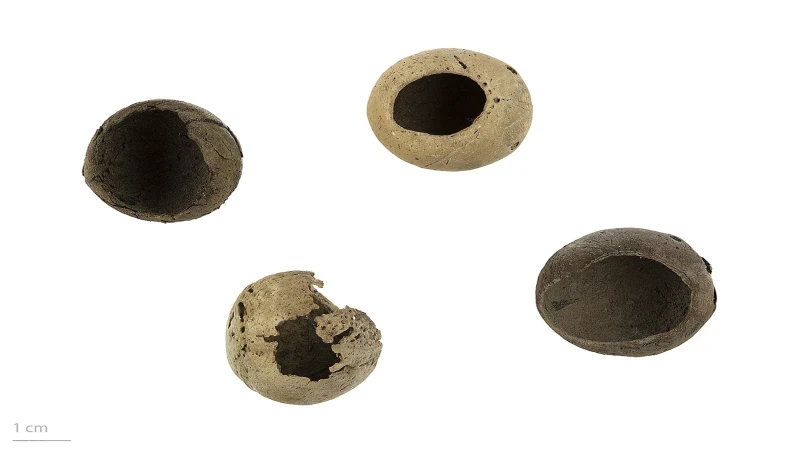
All of the things I listed above were quite popular in the past. Descriptions of the taste and use of all those products have reached us. The latest product for today, or rather even a group of products, is so unexplored that its existence as a whole raises questions. We are talking about the unique fruits that grew on the Pacific Easter Island.
Despite the fact that Easter Island is now practically devoid of forest cover, previously a subtropical broad-leaved forest grew throughout its territory, covering 90% of the island. Among the species growing there was the palm Paschalococos disperta, which served as the main source of wood and food, in the form of coconuts.
However, all (or almost all) palm trees of this species were cut down and destroyed even before the arrival of Europeans on the island, and therefore, the species was not recorded or studied in any way, and all that remained of it were the shells of nuts that had once been eaten. In this regard, it is not known exactly what they tasted like.Presumably, there are several other species that were destroyed as a result of the exploitation of the island by the local population long before the arrival of Europeans.
* * *
I hope you were interested, friends! See you soon in new gastronomic journeys!
Which of the above would you try?1
Dimensions and specifications: The Hindenburg could carry up to 133 people, had a payload capacity of about 100 tons and flew at an altitude of 100-200 meters, offering passengers spectacular views.
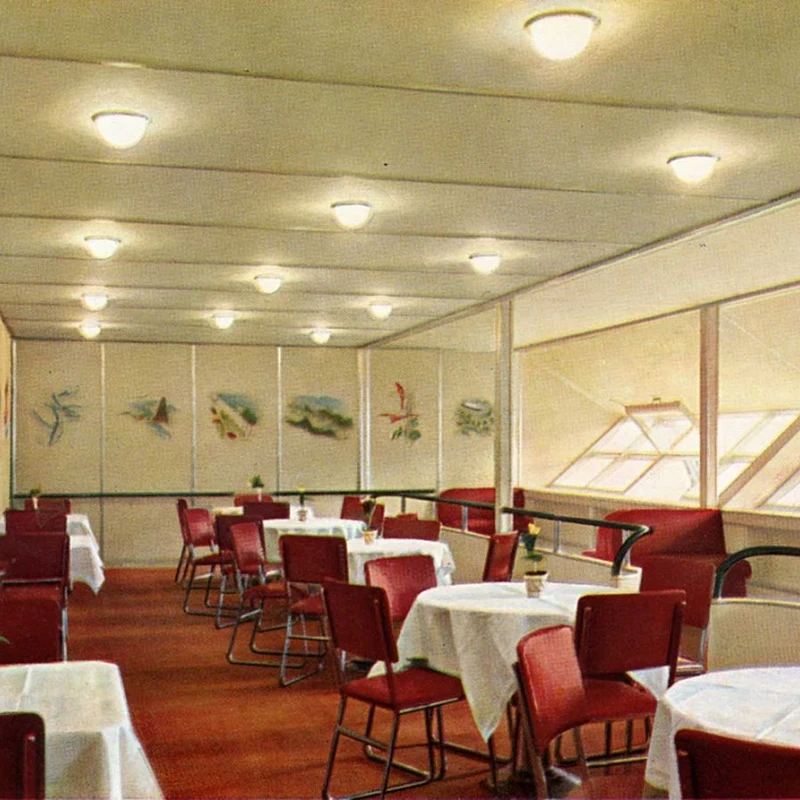
Comfort on board: Passengers enjoyed the facilities, including a smoking room, a library, a dining room with a high-quality kitchen, and even the first ever Catholic Mass in the air.
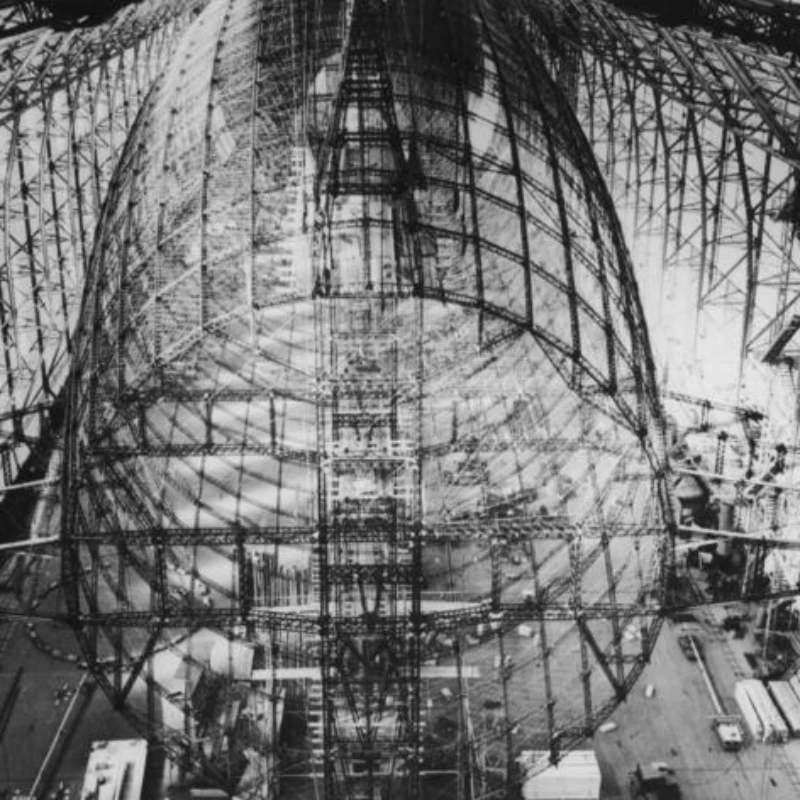
The use of airships in propaganda: The Nazis used airships such as the Hindenburg to demonstrate technological superiority, including participation in the 1936 Olympic Games and the Nuremberg Congresses.
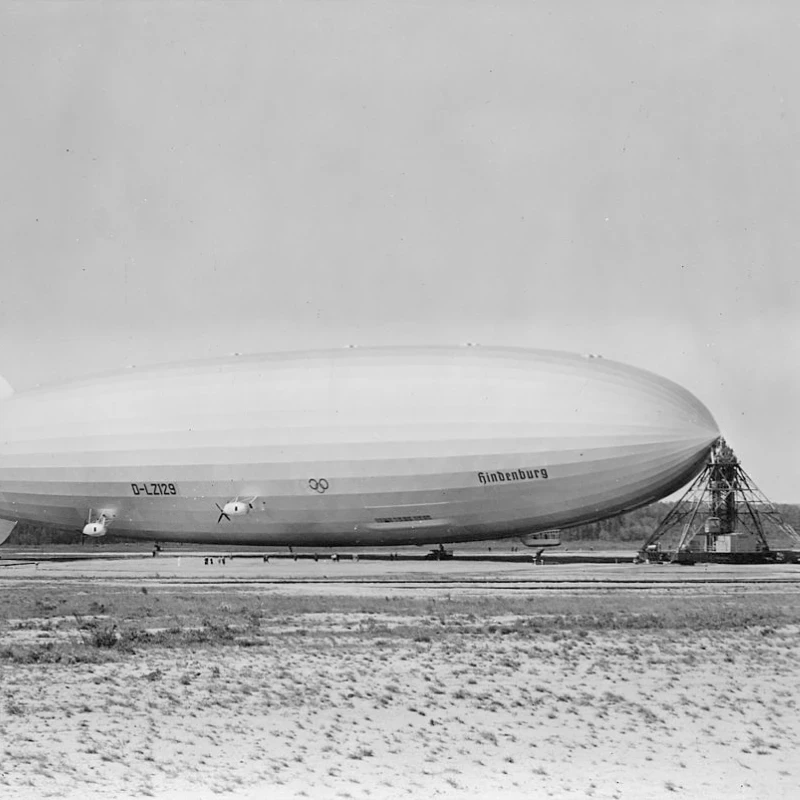
Political and military role: Airships became an important propaganda tool, but during World War I and later their slowness and vulnerability made them ineffective in combat conditions.
Safety concerns: Despite their majestic appearance, the airships were dangerous due to the use of hydrogen, which was highly flammable. The dangers have increased against the background of the deteriorating economic situation and operational shortcomings.
The impact of the Great Depression: The financing of airships suffered significantly due to the economic crisis, but the Nazis continued to support the Hindenburg project, allocating significant funds for its construction.
Hindenburg Disaster: On May 6, 1937, the Hindenburg caught fire on landing in New Jersey, killing 13 passengers and 22 crew members. This event became a global tragedy and a symbol of the end of the era of airships.
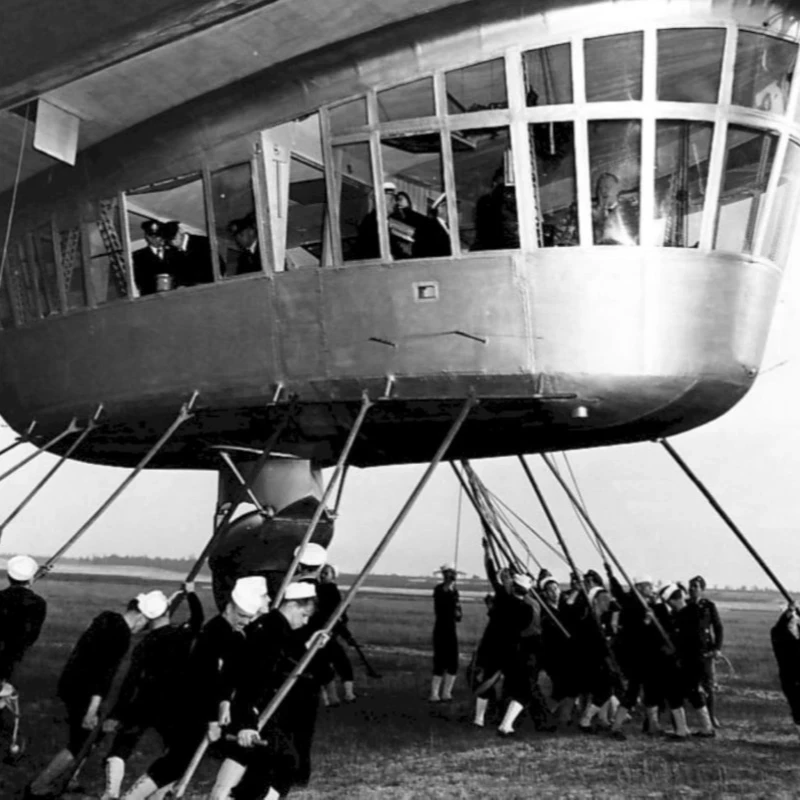
Investigation into the causes of the tragedy: Versions have been put forward in different countries, from lightning to sabotage, but the investigation has not yielded clear conclusions. Safety issues and technical flaws compounded the disaster.
The end of the airship era: After the disaster, the airship industry virtually died out, and airplanes began to dominate aviation. In 1940, the last airships were dismantled, and the use of hydrogen to fill them was prohibited.
Hello, everyone! I'm with you again! Today I will tell you, perhaps, about not the most banal places in Moscow (quite a bit about the Moscow region), but that makes them no less beautiful. Have fun reading!
* * *
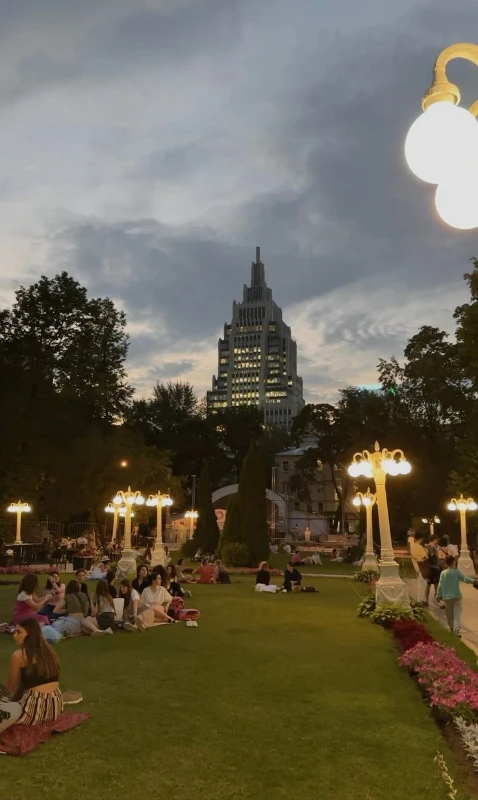
Hermitage Garden (yes, yes, this is Moscow)
I'll start with parks and squares. I forgot to mention, in each category I will highlight the 5 most beautiful/interesting places in my opinion.
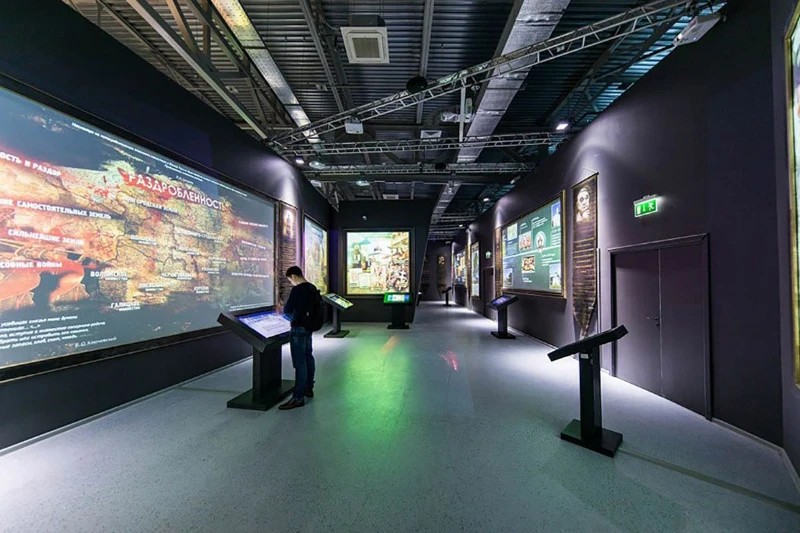
Russia - My History Museum
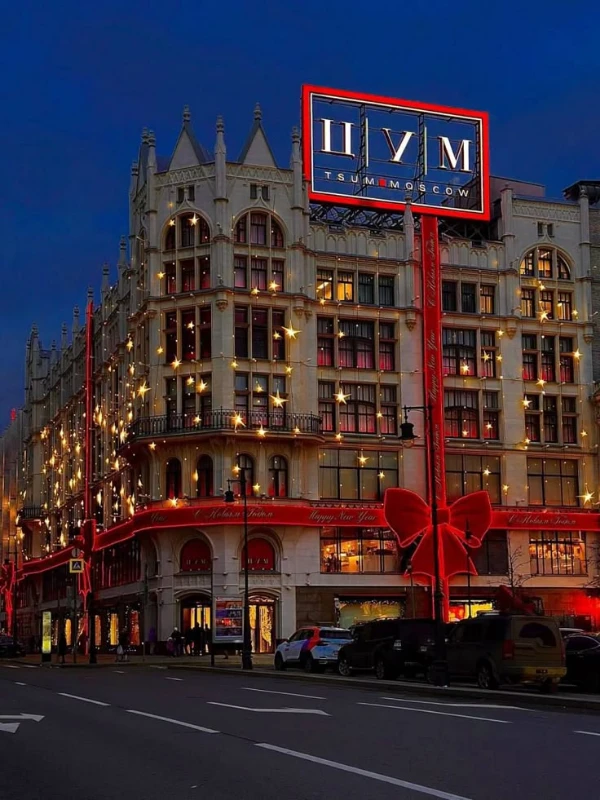
TSUM

The Chocolate maker
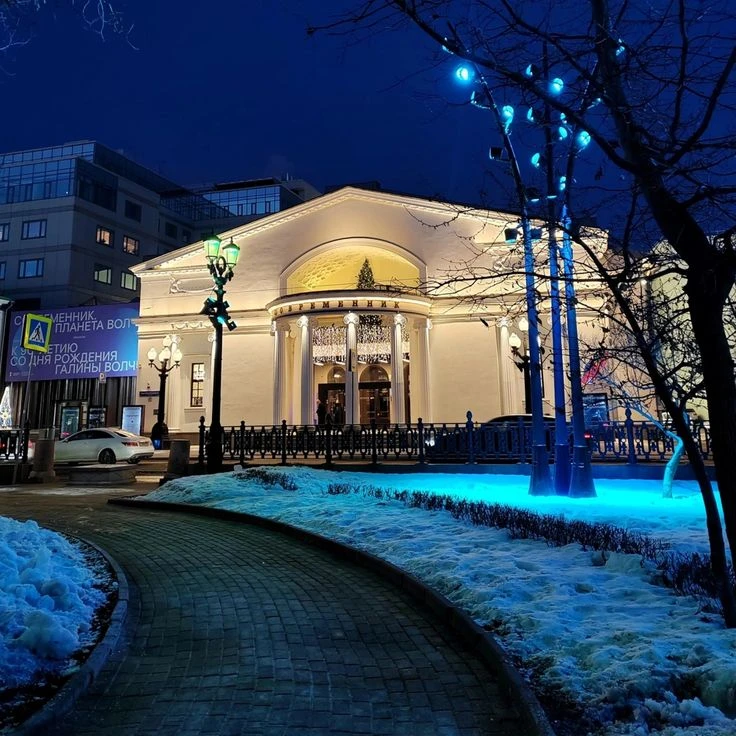
Sovremennik Theater
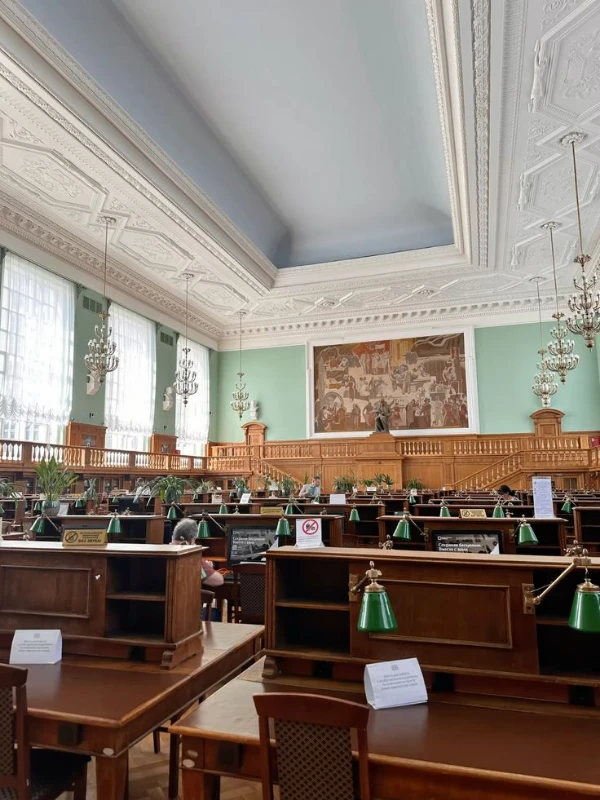
RGB
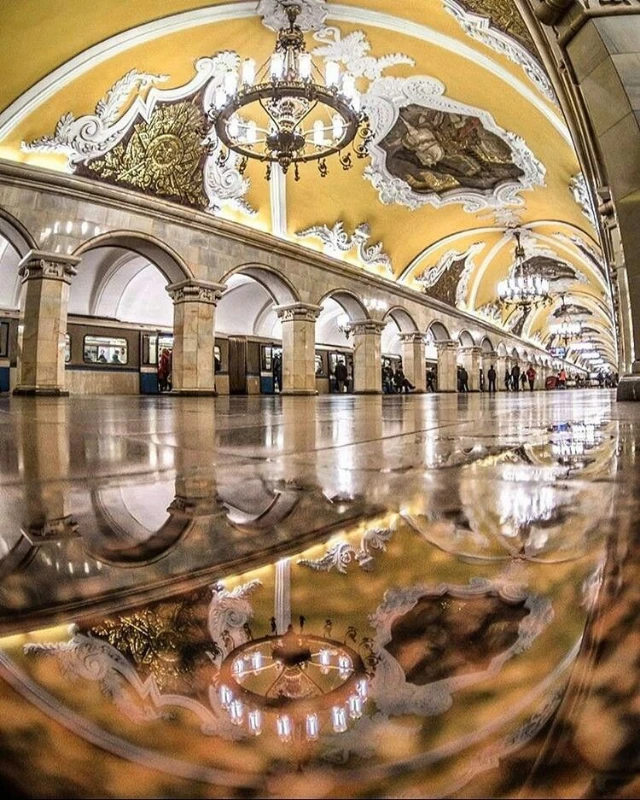
Komsomolskaya metro station
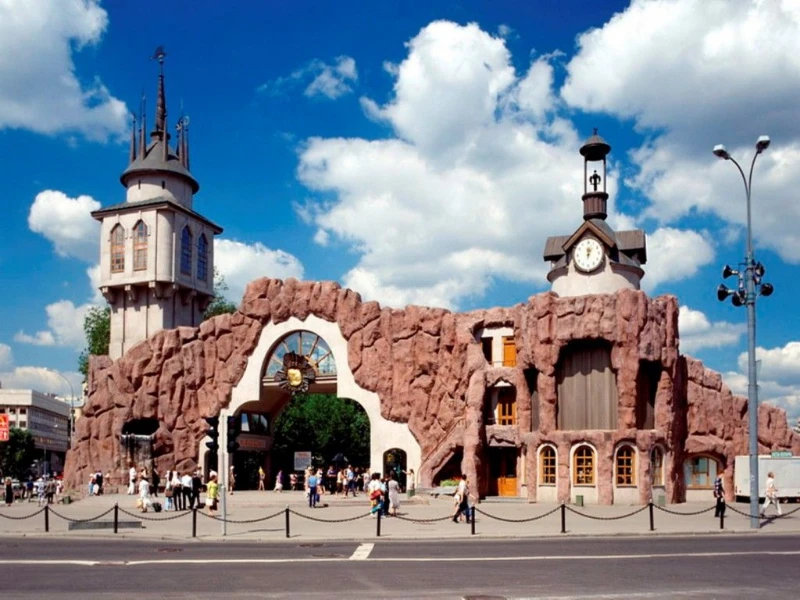
Moscow Zoo
And finally, those sights that I still advise you to visit, but I did not classify them into any of the categories.
* * *
I highly recommend visiting Moscow in the winter before the New Year. Our city is very beautifully decorated, straight + vibe. Or even in the summer, when there are a number of activities
That's it! Bye-bye to everyone!
Have you been to Moscow?1
A few screenshots:
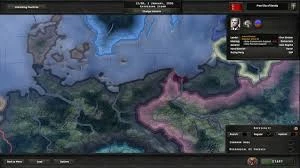
This is already a mod
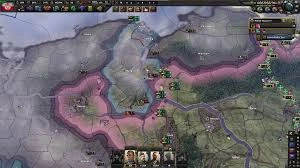
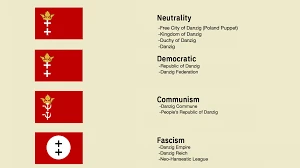
If we take Danzig into circulation (focus) for Poland and remove the garrison from there, then somewhere by May 1, 1936, an uprising with 3 divisions of the Resistance template (6 infantry helmets) would break out in Danzig. To begin with, this super template cannot be edited or created. I transferred all the divisions of Poland to cavalry with 4 cavalry companies (I didn't have enough infantry for more) and reconnaissance.
The most gorgeous thing about Danzig is that it is not stationary for DANZIG ITSELF! Therefore, everything that I received according to the standard trick tree and my starting factories went to 0. I COULD NOT GIVE A GARRISON (0 MILITARY FACTORIES, EVEN WITH A VERY LARGE DRAFT, MERE CRUMBS CAME, IMMEDIATELY KILLED BY THE POLES).By chance, I messed up the Polish army, so I stood against 10 Polish divisions with a total attack of about... 50. My defense was about 400. Germany usually offers to become a puppet, but on a non-hist, the fascists I condemn were overthrown. Then the uprising started in Poland and I moved for it because it was boring. But the bot on the uprising had already stabilized the front at that time, so I dropped Poland with cheats and left.
What I can say is that I advise you to make Danzig and Gdynia national consoles, and create at least a one-region puppet on a peaceful conference with Poland in order to use its template. And ideally, to annex the Kashubian territories, liberate Kashubia (it is being liberated in Danzig too) and move beyond it.
Will you play for Danzig?0
Hello everyone It's been a long time since we've seen each other in this category, and I think most of them don't remember its existence at all. However, yes, let me briefly remind you. Here I am talking about various things (especially those related to history or ideology) from a point of view that may seem strange to many, but which I support to one degree or another.
Today, the topic of conversation is the nuclear bombings of the Japanese cities of Hiroshima and Nagasaki by the US Air Force, which were imprinted on culture and society and became the first and last (hopefully) use of nuclear weapons during an armed conflict. But what if I tell you that I consider these bombings justified in that particular case? Why? Let me explain it to you.
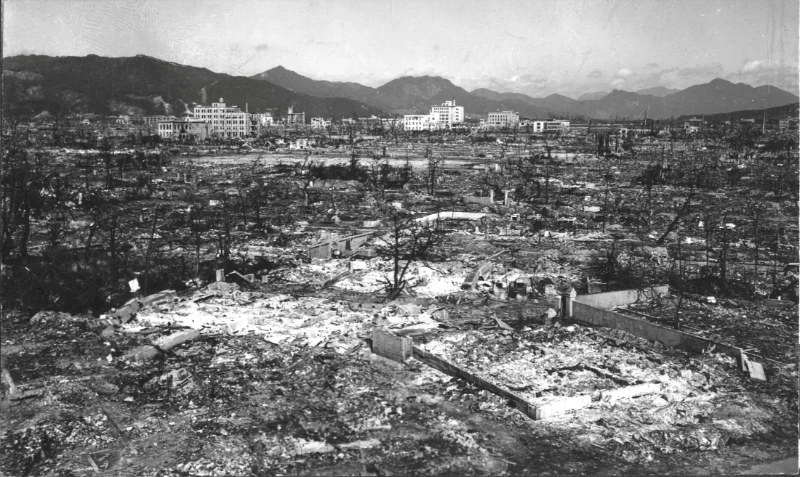
Let's start with a short preface. War is bad. Any situation where it's not about literally saving your own life (but that's a debatable issue, let's not go into it). And anyway, as they say, Make love, not war.
However, it is also worth noting the fact that any historical event or phenomenon should be viewed precisely from the perspective of what was happening at that time around. Therefore, we will proceed precisely depending on the point of view of the current and ongoing war for more than one year.
So why do I think the bombing is justified? For myself, I have identified three reasons (which are formulated in detail on the same Wikipedia, but I will only briefly present them to you in my own words and from my position).
I think it's no secret to many that the militarists in Japan did not want to capitulate in any way. The Emperor had almost no influence on the situation (according to some statements, he was completely against the initial hostilities), and the Japanese were gradually preparing to land on the territory of their native islands.
And now imagine if the cleansing of the Japanese on small islands could last several weeks and spent an extremely large amount of material and human resources, what would an attempt to land on the islands of Japan itself cost?
Do you remember the stories of how entire Japanese units in the Pacific and the Philippines resisted for years after the official surrender? Imagine what would have happened in their native land after the occupation. The Germans, who for the most part are less fanatical than the Japanese, did a lot of harm (for example, the same partisans from the Werewolf). Imagine what kind of casualties and instability there would have been after the Japanese occupation.
The number of victims from terrorist attacks, attacks by guerrilla groups and other similar activities, even if it had not reached the number of victims of the bombing, it would still have been noticeable.
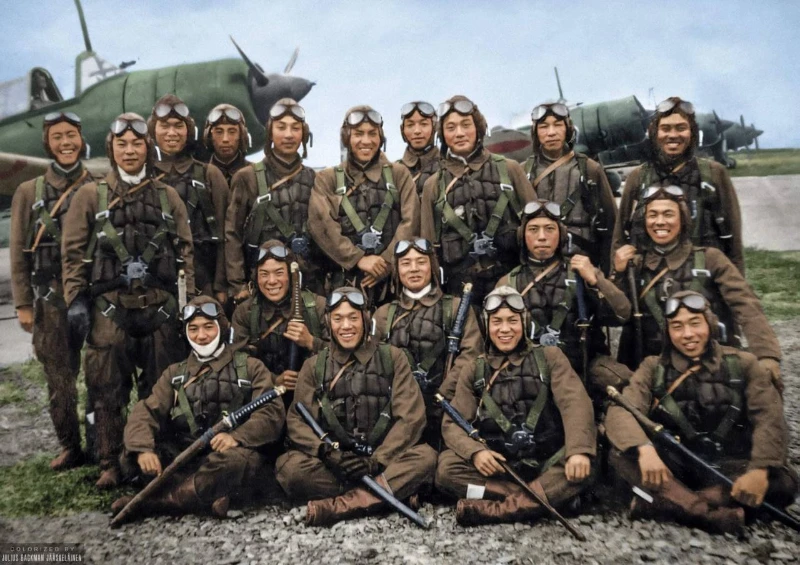
Yes, it sounds paradoxical, but it's true.
In addition to the fact that there would have been noticeably more deaths among the civilian population in Japan itself (even without nuclear warheads, Japanese cities could have been remarkably destroyed by conventional ammunition and fires, which was actively happening, but would have acquired much greater proportions), this would have affected people in the territories occupied by Japan.
China, Korea, Indonesia, Southeast Asia, everywhere there were mass killings of civilians (and extremely sophisticated ones at that), mobilization of labor resources, and other war crimes. With the surrender of Japan, all this stopped. If she hadn't capitulated, the additional number of victims would have been in the millions.
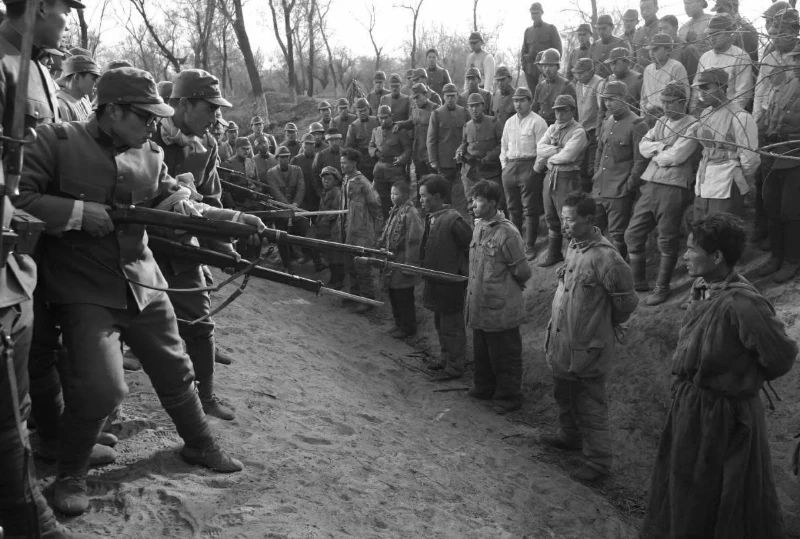
The Japanese were known for using the entire or almost the entire population for military purposes. Children and women worked for military enterprises and were sometimes even happy about it. As a result, in the conditions of the so-called "total war", the division into justified and unjustified targets for destruction is very problematic.
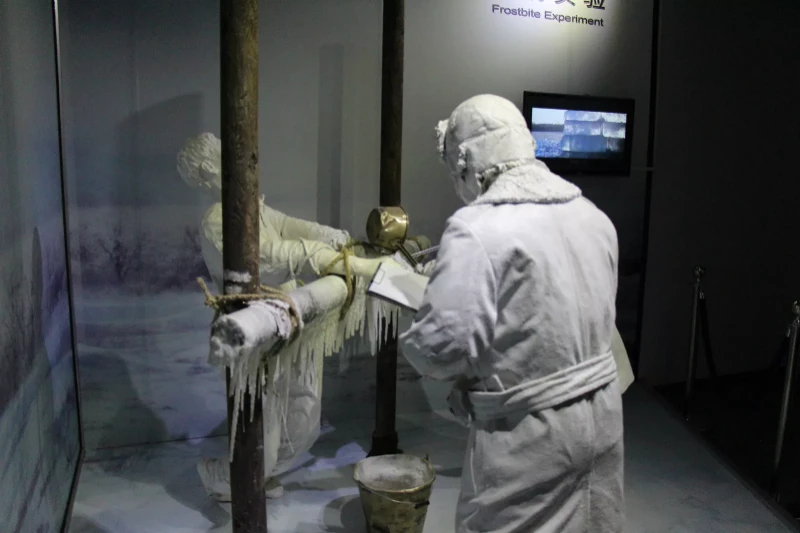
Yes, and mentioning the atrocities committed by the Japanese. They are usually omitted for the sake of ethics, but I will list some anyway (especially about squad 731), because it is better not to read for the faint of heart. So that's what they were doing: dissecting living people, killing people in pressure chambers, frostbite on limbs and causing gangrene, and so on and so forth. And even without taking into account this particular detachment, the mass killings of civilians and prisoners of war by the Japanese can be noted.
Therefore, people needed something like this as an act of revenge (and quite humane, compared to what the Japanese themselves were doing). However, there may already be a conversation about collective responsibility (relevant today), which is oh so difficult.
Well, it turned out that way.
The main problem, of course, is the very perception of Japan and the Japanese. Japan now and Japan 80-100 years ago are completely different countries. Therefore, it should be assessed in such a way that they bombed not the Japan that we know, but a completely different one.
For now, that's it for today. What do you think about this? It will be interesting to find out!
Were the nuclear bombings of Hiroshima and Nagasaki justified?0
Ave! In this post, I will explain the meaning and origin of such a phraseological unit as "I came, I saw, I won." Sit back, enjoy reading!
Veni, vidi, vici (Latin for "came, saw, won") denotes quickly achieved successes or deftly and soon completed tasks.
After the wars with Rome, the Kingdom of Pontus was almost completely absorbed. Pharnaces II, the ruler of the remaining fragment, the Bosporan kingdom, dreamed of the revival of the state.
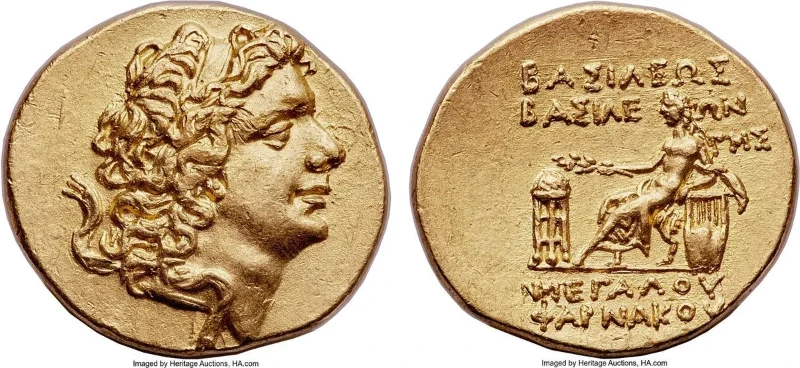
Coin with the image of Pharnaces II
A suitable opportunity arose during the civil war between Caesar and Pompey. The tsar started a war with Rome and quite easily captured Colchis, part of Cappadocia and a number of Roman cities in the province of Bithynia and Pontus. The commander Gnaeus Domitius Calvinus was sent to reconquer, but he was completely defeated by the troops of the Bosporan king.
Many Pontic cities were taken by battle; some of their inhabitants were sold into slavery. In Lesser Armenia, Pharnaces tried to incite the local rulers to revolt.
In 47 BC, Julius Caesar arrives in Asia. Further, according to sources, a battle almost immediately takes place between him and Pharnaces in a place near the city of Zela (now a Turkish city located in the north of the state).
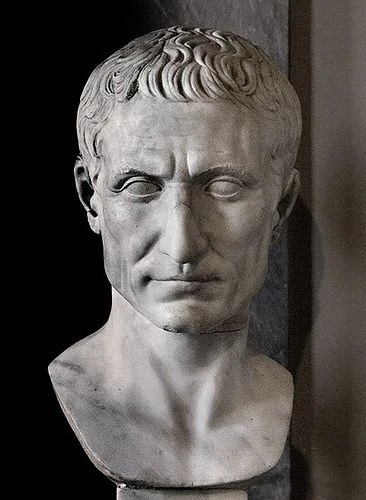
Bust of Gaius Julius Caesar
The recent victory over the legions and other rapid successes turned the Bosporan king's head, especially since Caesar had half as many men as Pharnaces. At dawn on August 2, his army began to descend the steep slope; it was supposed to put the Romans to flight with a decisive blow.
This rashness cost Pharnaces everything. His army was completely defeated, and the king himself fled the battlefield. That's how the war with the Bosporan ruler ended.
When Caesar returned to Rome, celebrating the Pontic triumph, among other things, the procession carried an inscription with the words "I came, I saw, I won": thus, one phrase immortalized the impetuosity with which the commander defeated his enemy.
Did you know that?2
Ave! June 1st has finally arrived, and also the moment to congratulate you! Sit back, enjoy reading!
* * *
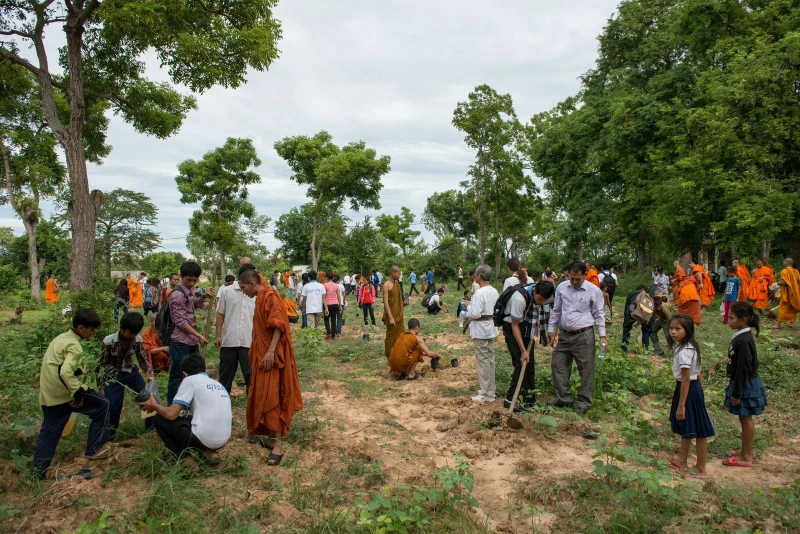
Today, Cambodians celebrate "Tree Planting Day." This is a kind of holiday that is celebrated in a number of countries around the world, and, as its name suggests, is associated with the planting of trees, the restoration of lost forests, or the desire to green and cultivate urban and suburban areas.: parks, squares, etc. Tree planting Day has almost a century and a half of history. Its founder was the American botanist, farmer, Minister of Agriculture Sterling Morton in 1874. The first day of tree planting was held in the town of Nebraska City (Nebraska, USA).In the USSR, it was once one of the most popular and widespread environmental holidays. The idea of planting forests with the help of schoolchildren penetrated into Russia in the last decade of the 19th century.

Madaraka Day is celebrated annually on June 1 and is considered a national holiday, which marks the day when Kenya became internally independent in 1963, just a year before full independence from Great Britain, which became another stage on the road to freedom. It was on June 1, 1963, that Kenya received the status of an autonomous self-government, which gave rise to the final breaking of the colonial shackles.

President of Palau Surangel S. Whipps, Jr.
June 1 is celebrated President's Day in Palau. On this day, various events are held throughout the country, including performances by folk song and dance ensembles, festivals, and general festivities. Ceremonies specially prepared for tourists are often held on this day.The Republic of Palau is a small island state in the Philippine Sea of the Pacific Ocean. Palau consists of 328 islands, with a total area of 458 square kilometers. The country is divided into 16 states.
* * *
Do you consider these holidays relevant for yourself?1
There is a small minor spoiler.
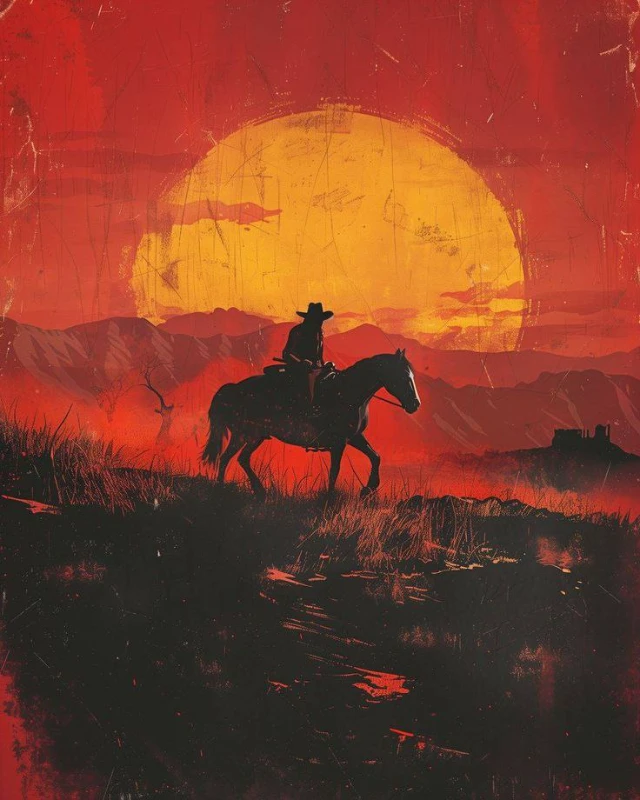
Two weeks ago, I was immersed simultaneously in three works in the genre of "Western": the series "Yellowstone", the game "Red Dead Redemption 2" and the book "Blood Meridian". A real wild trio. And today I want to share my impressions of the latest work, the novel "Blood Meridian".
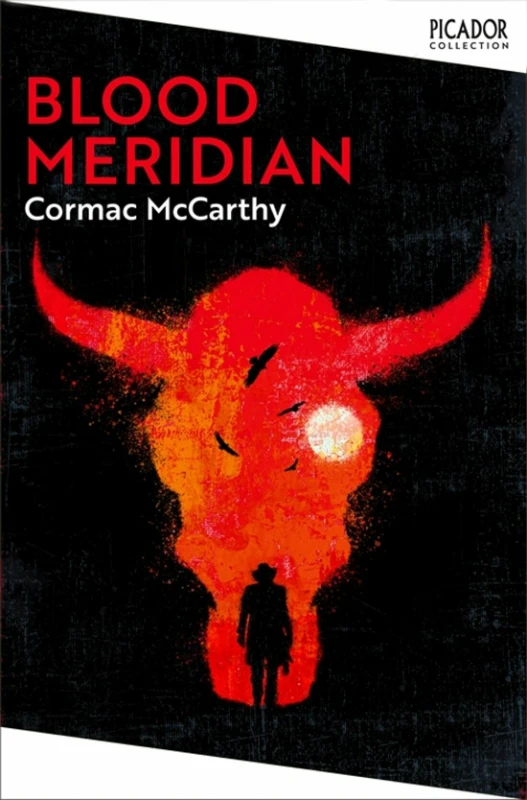
The background.
In December, I went to a bookstore to choose a gift for a loved one, and came across a very attractive cover of this book. Of course, being not a naive fool, before I bought a book because of the cover, I went online to get acquainted with a brief description. What did I see?
Time magazine included "Blood Meridian" in the list of "100 the best English-language novels from 1923 to 2005". In 2006, The New York Times conducted a survey of writers and critics about the most important works of American fiction over the past 25 years, and "Blood Meridian" took second place.
Well, that sounds hype , I thought, and without hesitation I punched at the checkout. And then there was one continuous bloody mess waiting for me.…
THEY ARE WANTED.
Briefly about the plot: The book tells the story of a kid named The Kid who joins a gang of scalp hunters. What motivates them? Money, cruelty, ideals. And now this frostbitten bunch is wandering along the border of Mexico and Texas, doing their dirty work.
The devil is in the details.
The first and main questions that arise before diving into a story are: What 's wrong with it, and why do I need it?
After reading the first third of the book about the gang's journey, the first thing that caught my eye and solidified in my opinion was the author's skill at descriptions. In general, every western describes in detail (or should do so) the nature of the wild West or the Mexican deserts. Endless sands and fields; the heat of the day and the coolness of the night; vultures, wolves, horses, mules and bison. McCarthy successfully copes with this important point in a work in the genre of "western". You read the pages, and they breathe of the wild West with all its heat, loneliness, mystery and struggle for survival.
There are not many named characters in the work. The main ones come to mind: Toadvine (the clear guy), Brown (the brave guy), Irving (the doctor), Jackson (negro), Glanton (the leader, a la Dutch van der Linde), the Judge (the antagonist), Tobin (the former priest) and the Kid (the protagonist). It's actually not easy to remember them, since the characters in this work are extremely uncommunicative and rely more on the case.
Did I say that the main character is a Kid? Okay, that's not really true. Yes, the story begins and ends with him, but in the middle of the plot he only flashes. The real heroes (or rather , the protagonists) of the book are evil, cruelty and their human nature, which the author explores in his book through the main villain, the Judge. As I wrote at the beginning of the post, there is a small spoiler here, and it lies precisely in who the antagonist is. But the spoiler is really unimportant, because from the first appearance of the Judge, you begin to sniff out his insidious and suspicious nature, which is then confirmed by the stories of one character, and in the end by Antagonista himself.
* * *
"In his hands is the same rifle that he is carrying now, all trimmed with German silver and with the name that he ordered to be printed under the cheek of the butt with a silver wire in Latin: Et In Arcadia Ego*. I mean, she brings death." - according to these words, which the former priest uses to describe the antagonist, you understand his whole character, essence and insides.
* "And I'm in Arcadia" (Latin) is a classic reminder that death visits even happy Arcadia.
* * *
The judge is a huge, very fair–skinned and completely clean-shaven man. Throughout the story, the Judge rubs gang members for philosophical topics. Sometimes they are delusional, but more often, unfortunately, they are true. Reflections on human cruelty and war. The Judge himself is in fact a metaphor for the devil of the West, a metaphor for the truest evil that lies in the human soul. The conclusion of the antagonist's beliefs is that by nature all people are evil – some initially, others in response to the evil of the former.
THE PRICE PER HEAD. The symbolism of evil.
Blood, death, and redemption.
Why read this novel?
Answer: An excellent description of the scenery, bloody and tough action, the author's plot ideas, the history of America. The moral.
[The author of the post, like the author of the book, does not promote cruelty, but on the contrary, insists on restrained study and doing good deeds]
He never sleeps. He says he will never die. He dances and dances. And he says he'll never die.…
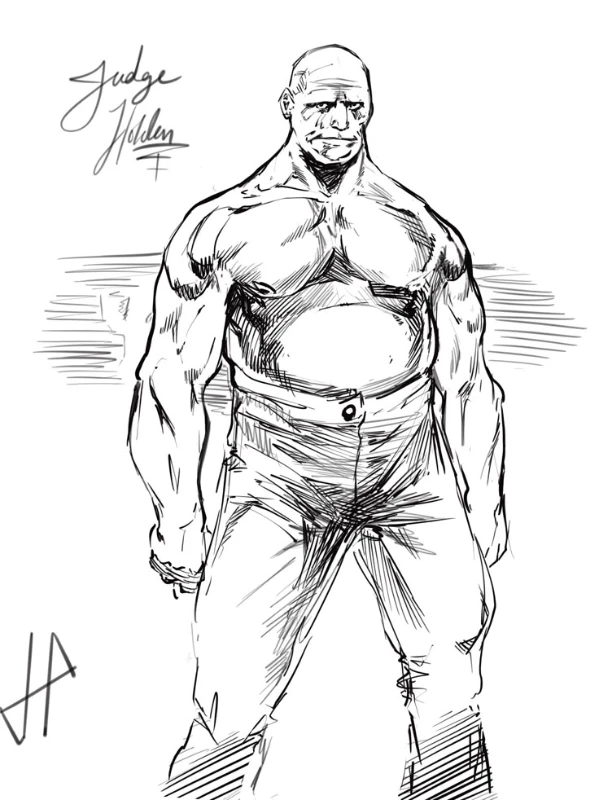
Judge Holden
Book: "Blood Meridian".
Author: Cormac McCarthy.
Genre: Western.
Written: 1985.
Verdict: 8.6/10. Not for the impressionable, as this is a study of human cruelty.
As my (relatively) know old subscribers, I used to have a different avatar. And I want to know if it's worth returning it.
The old avatar
* * *

Current avatar
* * *
Other options:
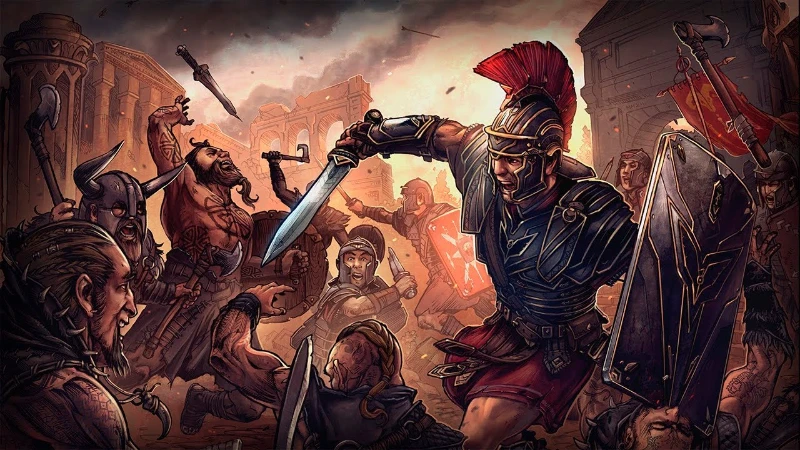
#1
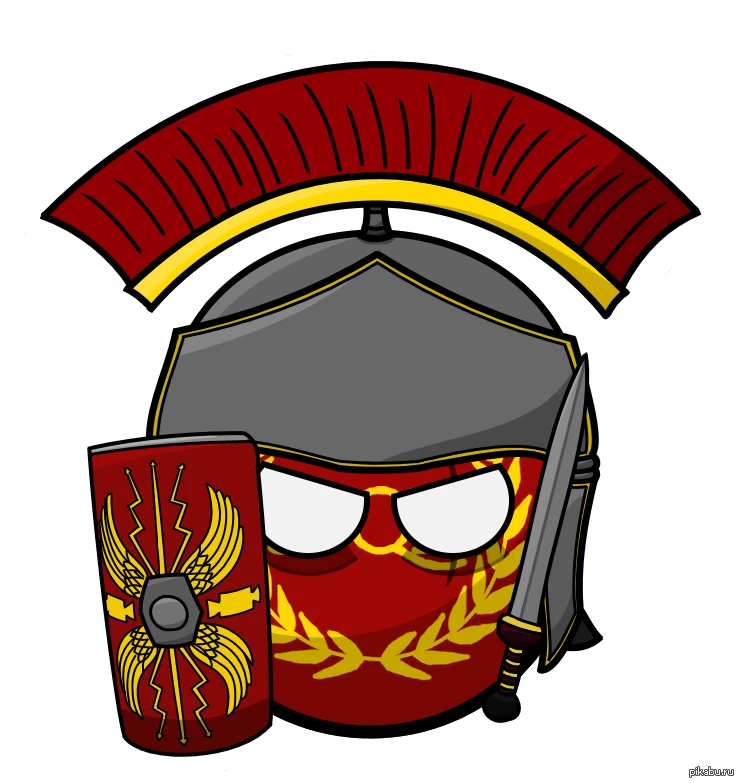
#2
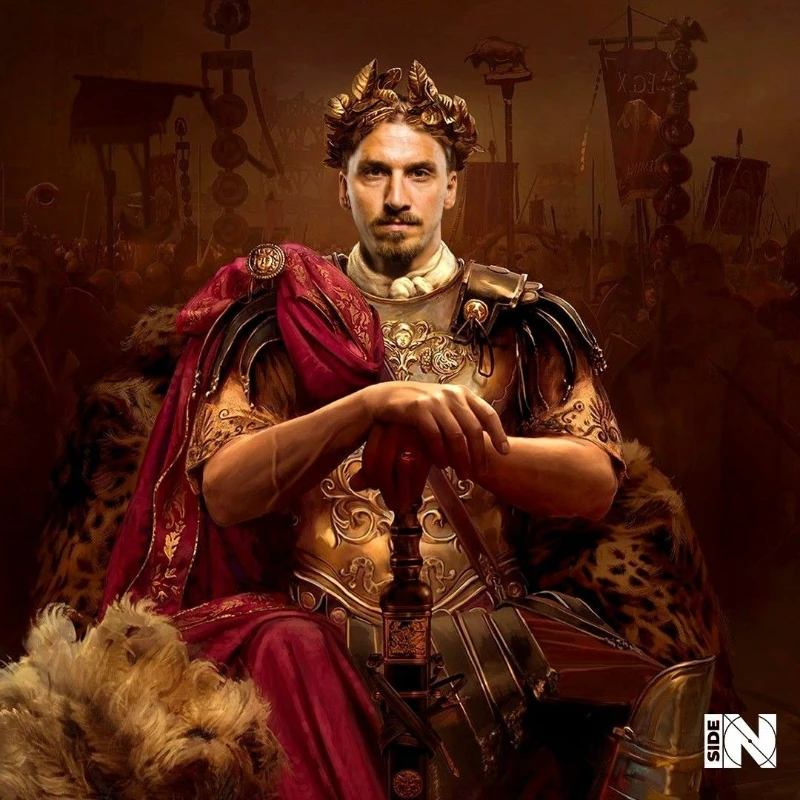
#3
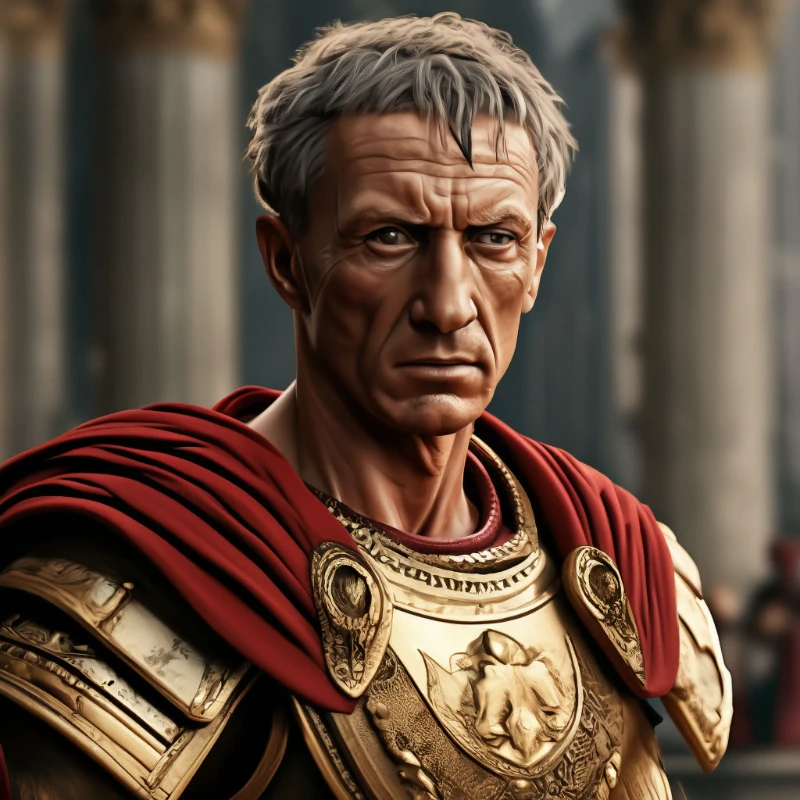
#4

#5
Which option is better?1

