Ave! In this post, I will explain the meaning and origin of such a phraseological unit as "I came, I saw, I won." Sit back, enjoy reading!
Veni, vidi, vici (Latin for "came, saw, won") denotes quickly achieved successes or deftly and soon completed tasks.
After the wars with Rome, the Kingdom of Pontus was almost completely absorbed. Pharnaces II, the ruler of the remaining fragment, the Bosporan kingdom, dreamed of the revival of the state.
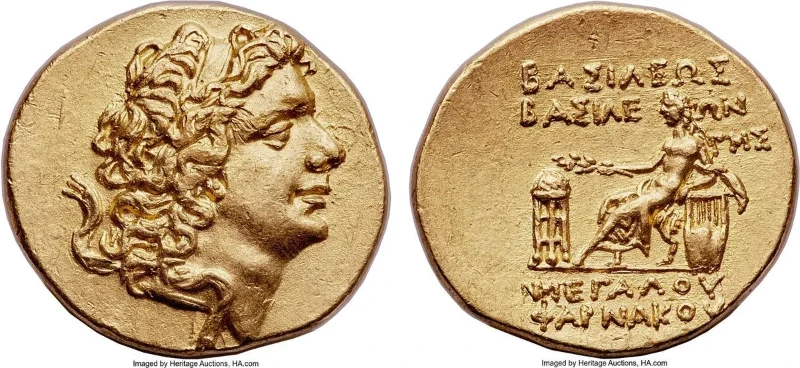
Coin with the image of Pharnaces II
A suitable opportunity arose during the civil war between Caesar and Pompey. The tsar started a war with Rome and quite easily captured Colchis, part of Cappadocia and a number of Roman cities in the province of Bithynia and Pontus. The commander Gnaeus Domitius Calvinus was sent to reconquer, but he was completely defeated by the troops of the Bosporan king.
Many Pontic cities were taken by battle; some of their inhabitants were sold into slavery. In Lesser Armenia, Pharnaces tried to incite the local rulers to revolt.
In 47 BC, Julius Caesar arrives in Asia. Further, according to sources, a battle almost immediately takes place between him and Pharnaces in a place near the city of Zela (now a Turkish city located in the north of the state).
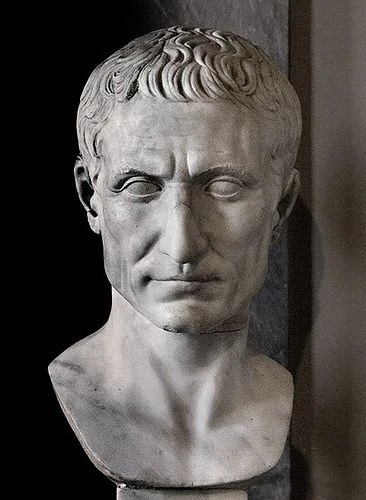
Bust of Gaius Julius Caesar
The recent victory over the legions and other rapid successes turned the Bosporan king's head, especially since Caesar had half as many men as Pharnaces. At dawn on August 2, his army began to descend the steep slope; it was supposed to put the Romans to flight with a decisive blow.
This rashness cost Pharnaces everything. His army was completely defeated, and the king himself fled the battlefield. That's how the war with the Bosporan ruler ended.
When Caesar returned to Rome, celebrating the Pontic triumph, among other things, the procession carried an inscription with the words "I came, I saw, I won": thus, one phrase immortalized the impetuosity with which the commander defeated his enemy.
Did you know that?2


Share:
Bestcomments (0)
There are no comments for this post yet. Want to leave the first one?