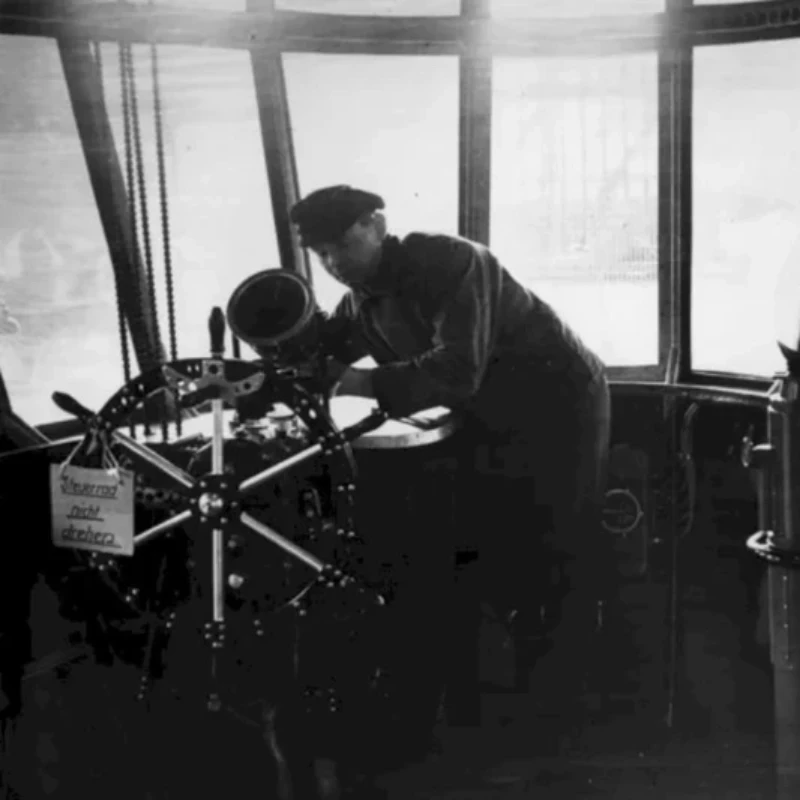
Dimensions and specifications: The Hindenburg could carry up to 133 people, had a payload capacity of about 100 tons and flew at an altitude of 100-200 meters, offering passengers spectacular views.
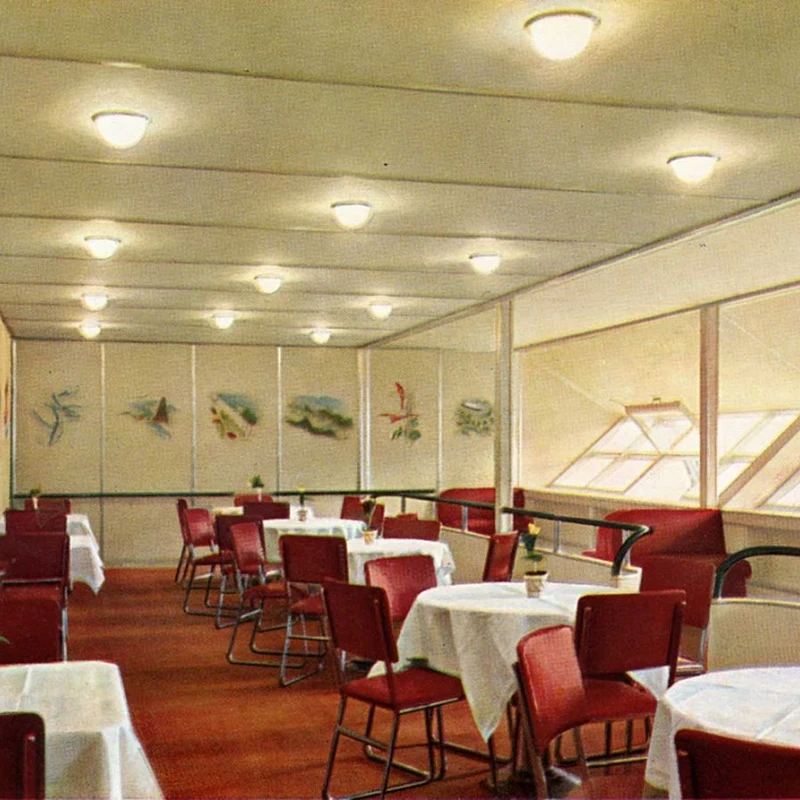
Comfort on board: Passengers enjoyed the facilities, including a smoking room, a library, a dining room with a high-quality kitchen, and even the first ever Catholic Mass in the air.

The use of airships in propaganda: The Nazis used airships such as the Hindenburg to demonstrate technological superiority, including participation in the 1936 Olympic Games and the Nuremberg Congresses.
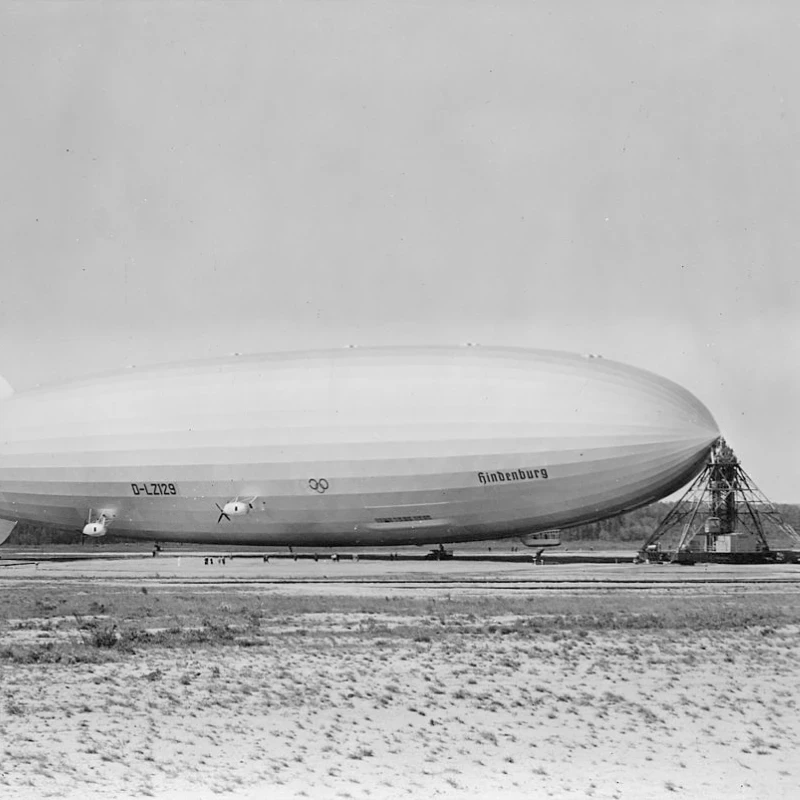
Political and military role: Airships became an important propaganda tool, but during World War I and later their slowness and vulnerability made them ineffective in combat conditions.
Safety concerns: Despite their majestic appearance, the airships were dangerous due to the use of hydrogen, which was highly flammable. The dangers have increased against the background of the deteriorating economic situation and operational shortcomings.
The impact of the Great Depression: The financing of airships suffered significantly due to the economic crisis, but the Nazis continued to support the Hindenburg project, allocating significant funds for its construction.
Hindenburg Disaster: On May 6, 1937, the Hindenburg caught fire on landing in New Jersey, killing 13 passengers and 22 crew members. This event became a global tragedy and a symbol of the end of the era of airships.
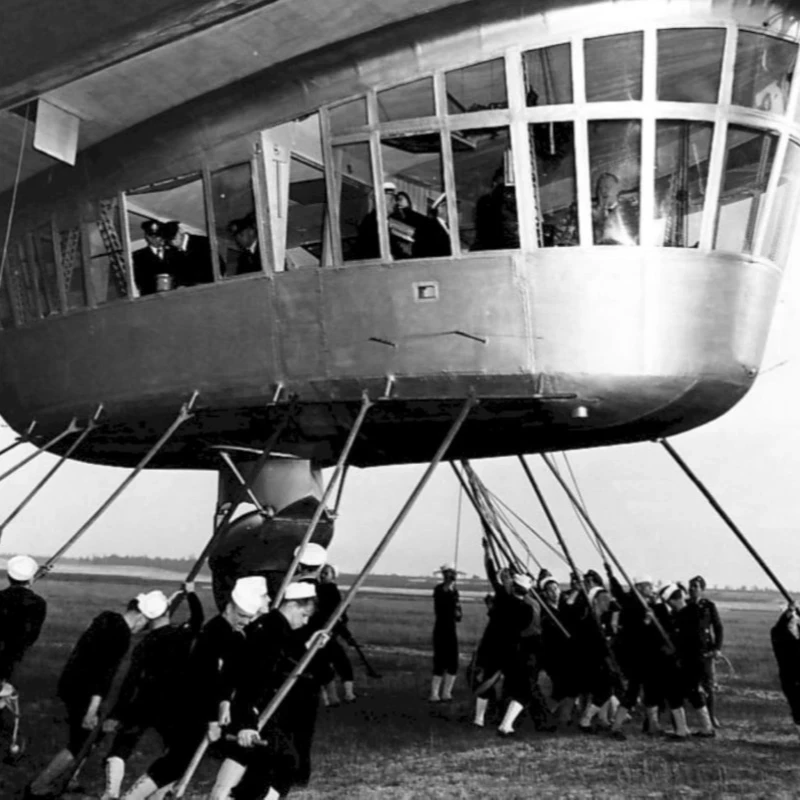
Investigation into the causes of the tragedy: Versions have been put forward in different countries, from lightning to sabotage, but the investigation has not yielded clear conclusions. Safety issues and technical flaws compounded the disaster.
The end of the airship era: After the disaster, the airship industry virtually died out, and airplanes began to dominate aviation. In 1940, the last airships were dismantled, and the use of hydrogen to fill them was prohibited.