German cinema expressionism is a significant artistic movement that emerged in the early 20th century, particularly in the aftermath of World War I. This movement is renowned for its innovative approach to filmmaking, characterized by its dark, moody atmosphere, distorted visual style, and psychological depth. German expressionism left an indelible mark on the film industry, influencing countless directors, actors, and films that followed.
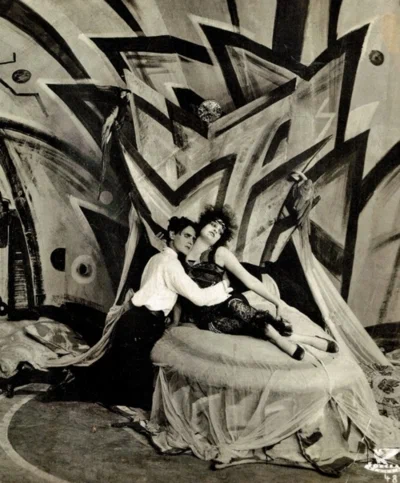
A still from the movie Genuine
Several directors played pivotal roles in shaping the German expressionist movement. Among them are:
Fritz Lang: Known for his meticulous attention to detail and ability to create a sense of unease, Lang directed such classics as Metropolis (1927) and Der müde Tod (1920). His films often tackle themes of urban decay, technological advancement, and the darker sides of human nature.
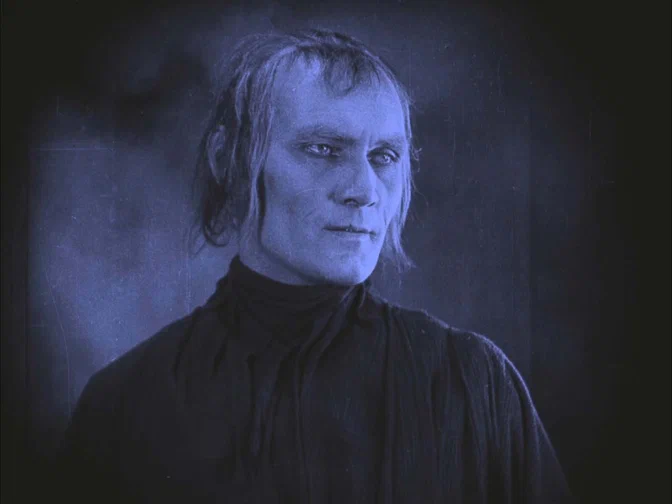
Bernhard Goetzke as Death.
F.W. Murnau: Murnau's work is renowned for its atmospheric cinematography and innovative narrative technique. His film Nosferatu, Symphony of Terror (1922) is a prime example of expressionist horror, featuring Count Orlok and utilizing a stark, eerie visual style.
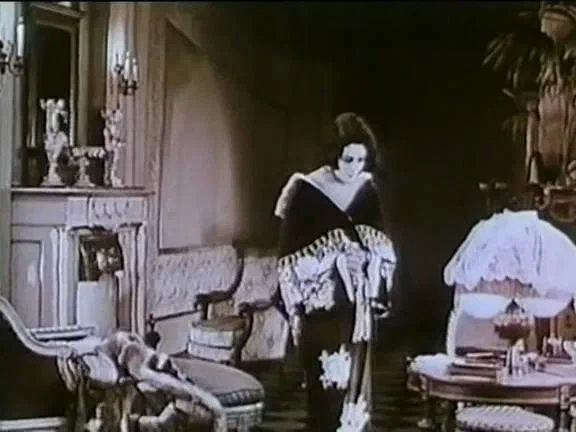
Still from the movie Der brennende Acker
Robert Wiene: Wiene's film The Cabinet of Dr. Caligari (1920) is often called the quintessential expressionist film. Its distorted sets, shadowy lighting, and unsettling narrative created many of the hallmarks of the movement.
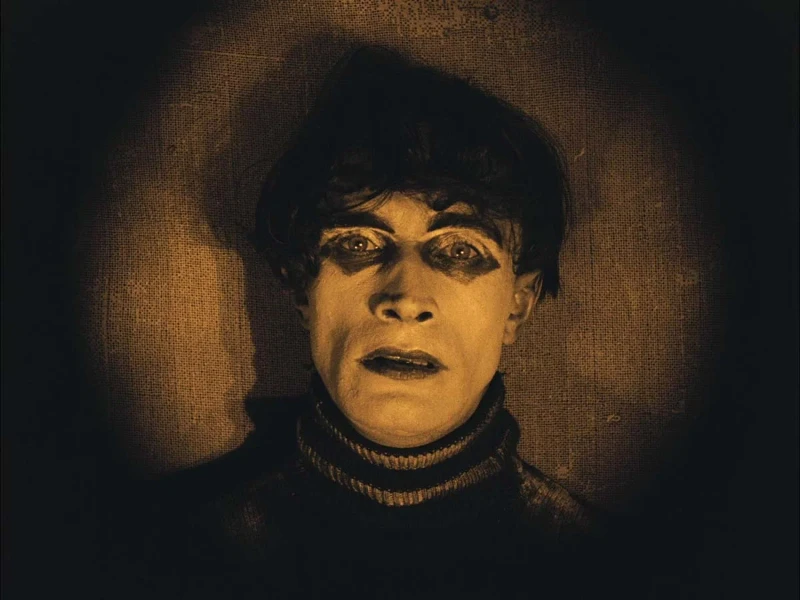
An iconic scene in the movie
The actors and actresses of the German expressionist era brought depth and intensity to their roles, helping to define the movement’s unique aesthetic. Notable performers include:
Emil Jannings: Known for his powerful acting work, Jannings appeared in several expressionist films, including The Last Laugh (1924) directed by F.W. Murnau. His ability to convey a wide range of emotions made him a prominent exponent of the movement.
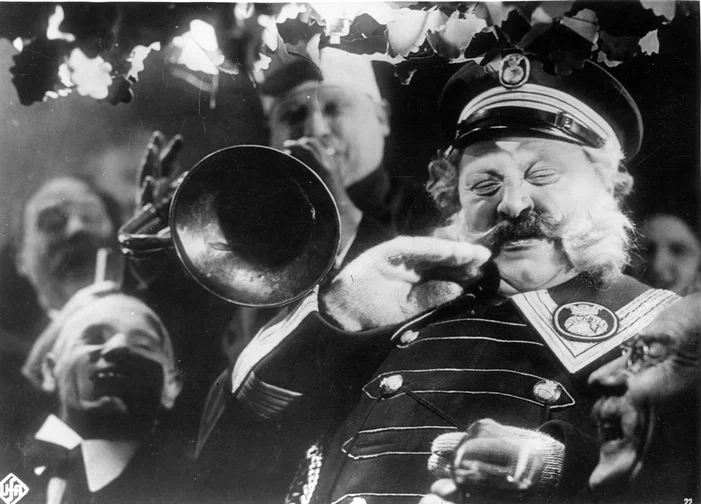
Still from the movie
Werner Krauss: Krauss’s portrayal of Dr. Caligari in “The Cabinet of Dr. Caligari” is iconic, embodying the movement’s fascination with madness, manipulation, and the supernatural.
The influence of German expressionism extends far beyond its initial period of prominence. The movement’s innovative visual style and psychological depth have left a lasting impact on the film industry. Directors such as Alfred Hitchcock and Orson Welles have cited German expressionism as an influence on their work, and its legacy can be seen in films ranging from “Psycho” (1960) to “Blade Runner” (1982).
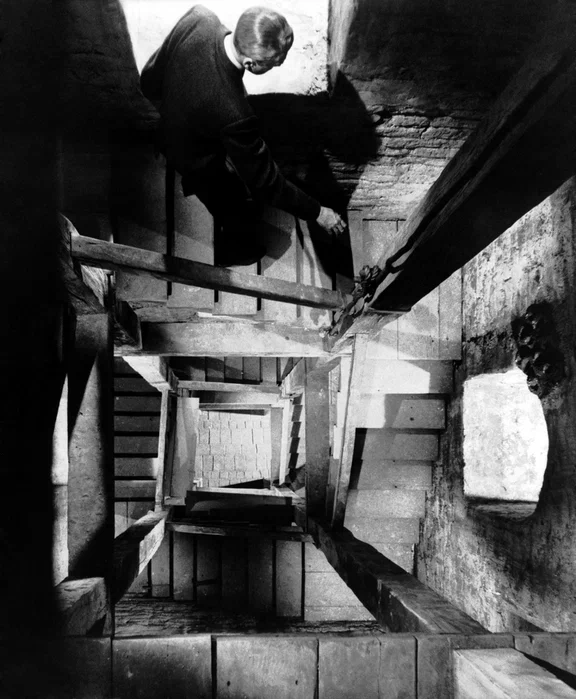
Still from the movie Vertigo
Moreover, German expressionism has had a profound impact on the horror genre. The movement’s use of shadowy lighting, distorted sets, and supernatural themes has become a staple of horror filmmaking, influencing directors such as James Whale and John Carpenter.
In addition to its visual and thematic influence, German expressionism also contributed to the development of film noir. The movement’s focus on psychological complexity and moral ambiguity laid the groundwork for the brooding, atmospheric style of film noir, which emerged in the 1940s and 1950s.
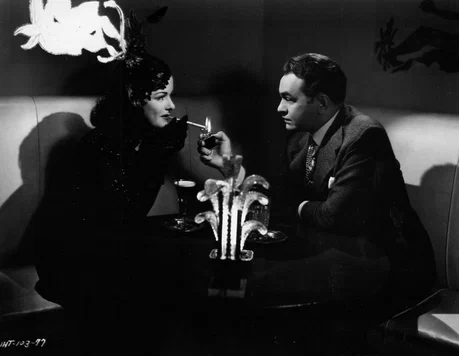
A still from the movie The Women in the Window
German cinema expressionism was a groundbreaking movement that pushed the boundaries of filmmaking in the early 20th century. Its innovative visual style, psychological depth, and exploration of the darker aspects of human nature continue to inspire filmmakers today. By examining the key directors, actors, and films of the movement, we can gain a deeper understanding of its lasting impact on the world of cinema.


Share:
Bestcomments (0)
There are no comments for this post yet. Want to leave the first one?