In its heyday, horror films captivated audiences with innovative storytelling, relying on a blend of psychological tension, unexpected twists, and intricate character development. Classics like "Psycho" and "The Shining" intertwined elements of fear with profound human emotions, creating lasting impacts that resonated long after the credits rolled.
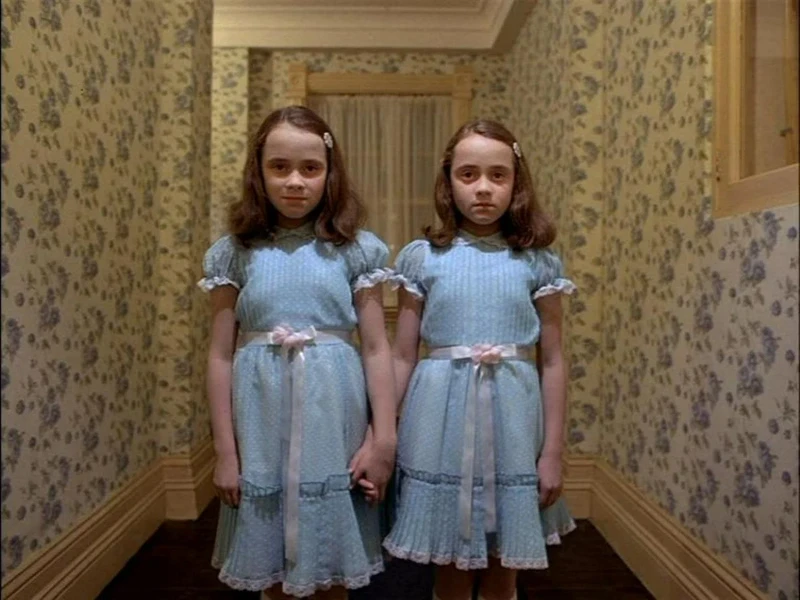
This is a still from the film The Shining.
However, the genre began to falter as originality waned. A surge of formulaic sequels and remakes flooded theaters, often prioritizing jump scares over substantive narratives. The rise of the internet and streaming services further diluted the horror experience, as viewers were bombarded with an overwhelming volume of content, much of which lacked the artistry that once defined the genre.
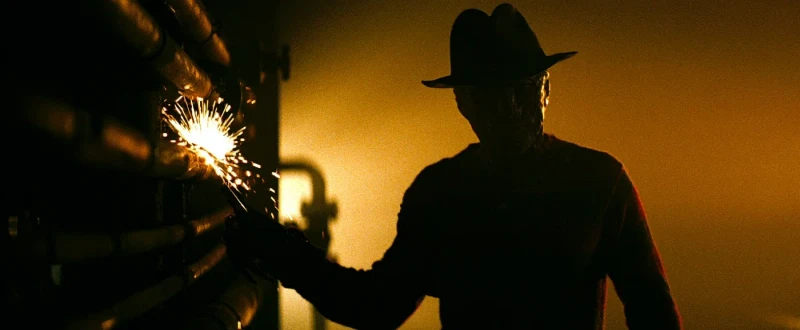
This is a still from the 2010 film A Nightmare on Elm Street.
Moreover, societal changes have altered audience perceptions of fear. As real-world horrors invade daily life, the cinematic portrayal of terror feels increasingly contrived. In this new landscape, the genre struggles to reclaim its former glory, leaving many to ponder if horror, as we once knew it, is truly dead.
* * *
Yet, horror's decline might also stem from a shifting cultural landscape that has seen the emergence of new platforms for storytelling. Recent trends in television, particularly with serialized shows like "The Haunting of Hill House" and "The Terror," have reinvigorated the genre, allowing for deeper character exploration and prolonged suspense that films often rush to deliver. These series have thrived on slow-burning dread rather than immediate shock, suggesting that audiences are craving a return to the psychological depth that once defined horror.
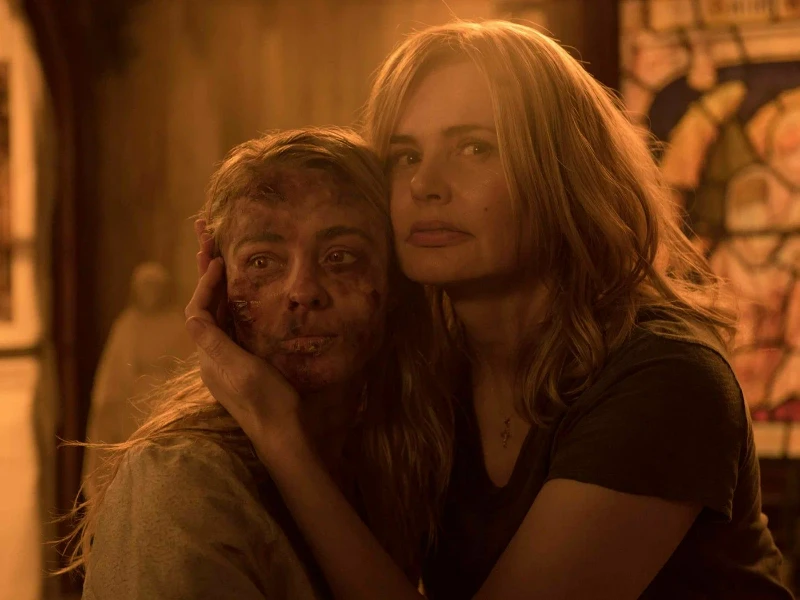
This is a still from The Exorcist.
Additionally, indie filmmakers have begun to carve out a niche, producing innovative and unconventional tales that challenge the norms of mainstream horror. Films like "Hereditary" and "Get Out" showcase a resurgence of original ideas, intertwining social commentary with chilling narratives that provoke thought as much as fear. This evolution hints that while the traditional forms may struggle, horror itself is far from dead; it simply requires new narratives that resonate with contemporary audiences.
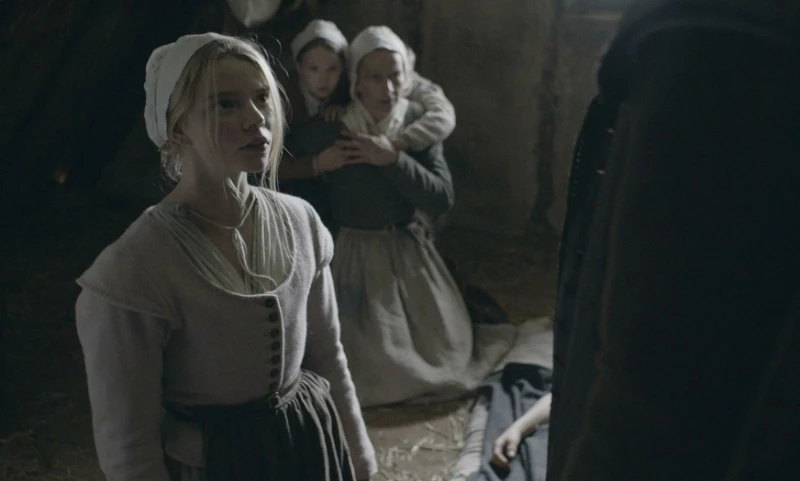
Robert Eggers' film The VVitch: A New-England Folktale
Thus, rather than viewing the genre’s demise as a definitive end, it may be more accurate to see it as a transformation. The door remains open for horror to adapt and redefine itself, potentially reclaiming its place as a vital, unsettling reflection of the human experience. In this cycle of rebirth, it is the innovative storytelling and fresh perspectives that will breathe life back into the genre.


Share:
Bestcomments (0)
There are no comments for this post yet. Want to leave the first one?