There were several reasons for the creation of the union: The Hanseatic League, consisting mainly of North German cities, dominated trade in Scandinavia and hindered the development of cities in this region. Also, due to the Little Ice Age, the climate worsened, many noble Scandinavian families had possessions throughout Northern Europe, a common king would be a guarantor for them to preserve their possessions. Denmark alone could not continue its expansion in northern Germany and the Baltic States, and Norway seriously lacked resources.
At one point, the situation turned out to be due to which the union was created. The daughter of Danish King Voldemar IV, Margaret, became the wife of the Norwegian king, and her son Olaf became the heir to Denmark and Norway, and soon inherited both states. However, the infant king could not rule the country, so his mother Margaret became regent, who outlived her son and became queen of Denmark and Norway. At that time, the Swedish nobility was dissatisfied with Albrecht of Mecklenburg, who ruled there (who was also from the German principality of Mecklenburg) and invited Margaret to overthrow him and become queen herself. In 1389, Margaret became the ruler of Sweden.
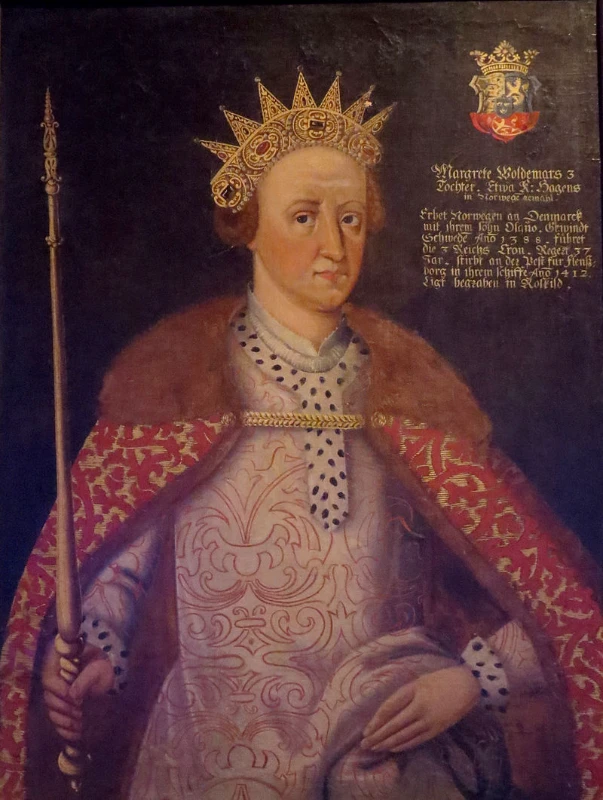
Marguerite of Denmark
In 1397, at a meeting of representatives of the three kingdoms in the city of Kalmar (that's why the union is called Kalmar), it was decided to make Eric of Pomerania (Margaret's nephew) king of Denmark, Norway and Sweden, forming a personal union. This meant that the three kingdoms remained independent, but they were ruled by a single king.
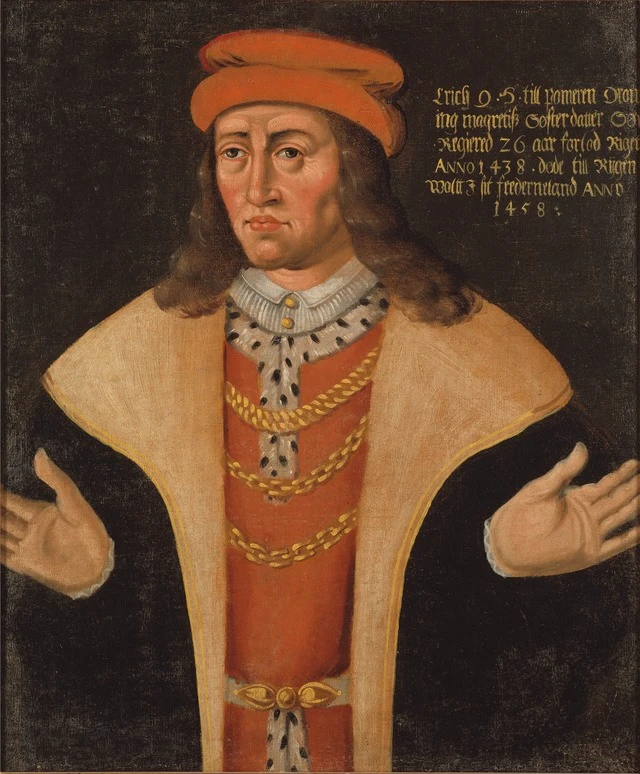
Eric Pomeransky
The Union did not exist peacefully. Denmark wanted to expand its influence to other lands and raised taxes in Sweden and Norway, which caused serious discontent in them, especially in Sweden. In the middle of the 15th century, it fought wars of independence. In 1448, after the death of the childless Christopher of Bavaria, Sweden elected its king and began the struggle for supremacy in the union. The confrontation continued for many years.
The Danish-Swedish union was finally abolished by the Peace of Stettin in 1570, according to the terms of which the Danish king renounced his claims to the Swedish throne, and the Swedish king renounced Norway, which remained subject to the Danes, although in fact the collapse of the union occurred earlier.
Scandinavia was previously under a single government, but due to the different political interests of individual states, the union collapsed and ceased to exist.
* * *
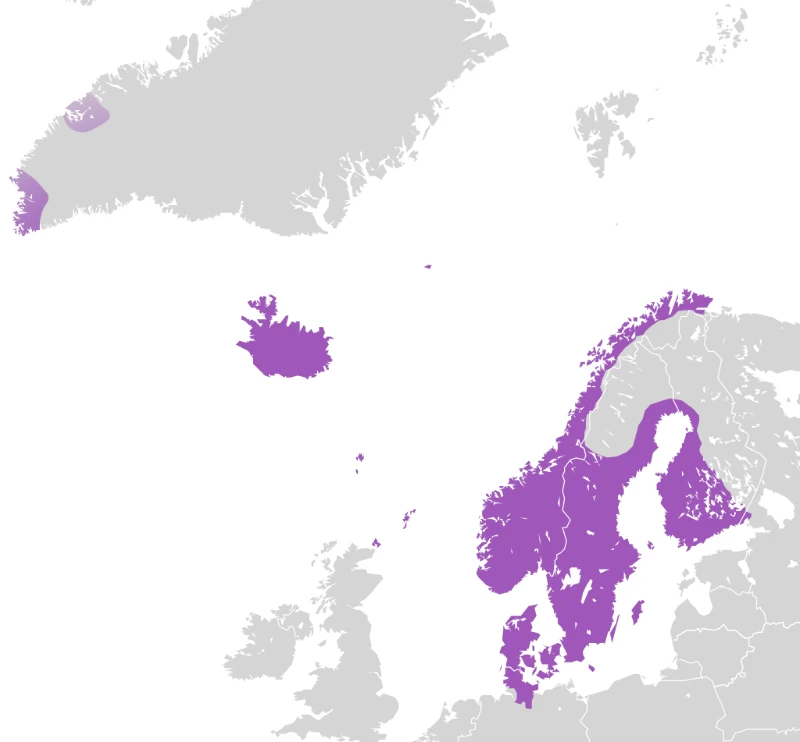
The Kalmar Union in 1400
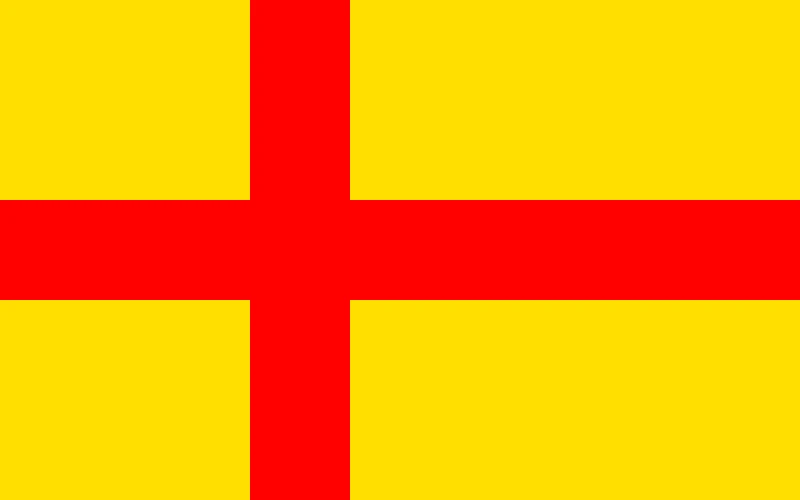
Possible union flag
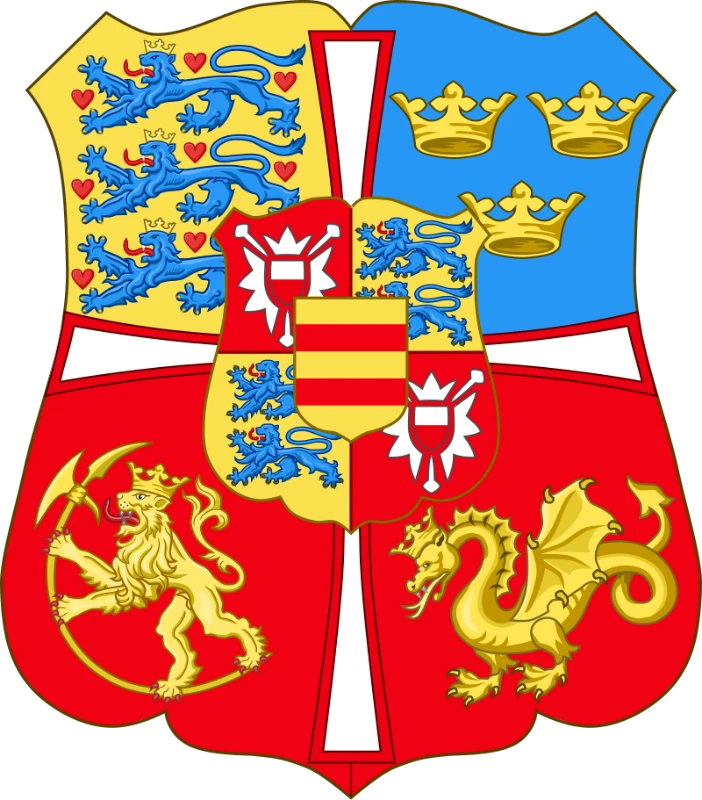
Coat of arms of the Union


Share:
Bestcomments (0)
There are no comments for this post yet. Want to leave the first one?