Scroll to top

between pixels

here I will tell you about books, manhwas, mangas, games, anime, dramas and much more

Filter and sort

between pixels

maren

Ryoan‑ji's Secret Garden: 15 Stones of Contemplation

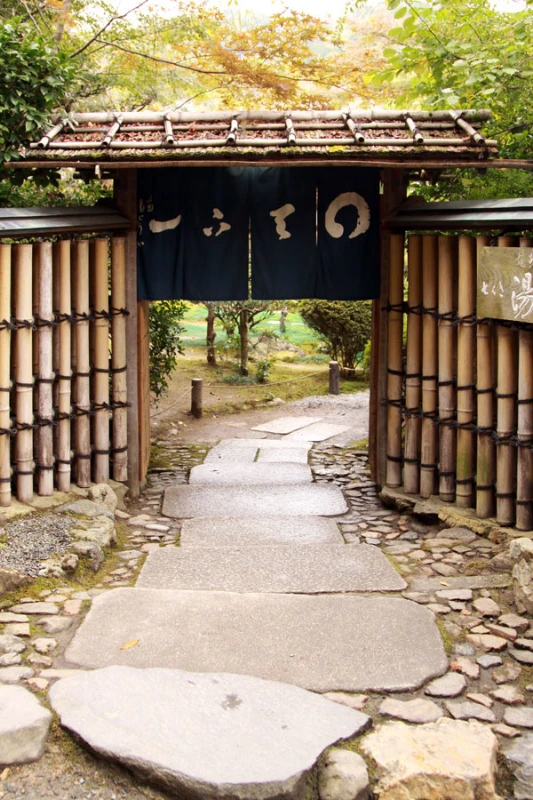
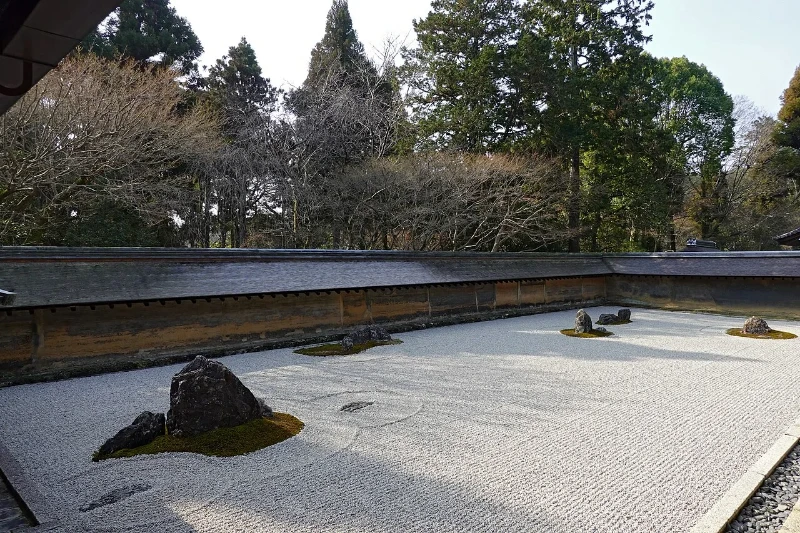
In Kyoto, among the bustling streets and ancient temples, there is a hidden place where time slows down. Ryoan‑ji Rock Garden is not just a tourist attraction. It is a space for meditation, a mystery carved in stone and sand. There are no waterfalls, flowering trees or bright colors here — just gravel, moss and 15 mysterious stones. But it is precisely in this simplicity that the great wisdom of Zen Buddhism lies.
Ryoan‑ji's Secret Garden: 15 Stones of Contemplation

History of the place

Ryoan‑ji Temple ("Temple of the Resting Dragon") It was built in the 15th century as a villa for an aristocrat, later transformed into a Zen Buddhist temple. The garden, created at the end of the 15th century, became the epitome of Zen philosophy:

Minimalism as a path to enlightenment

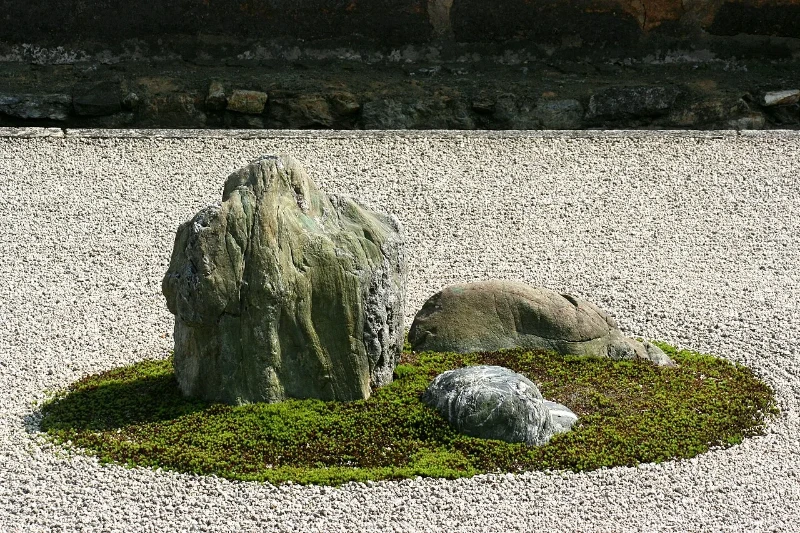
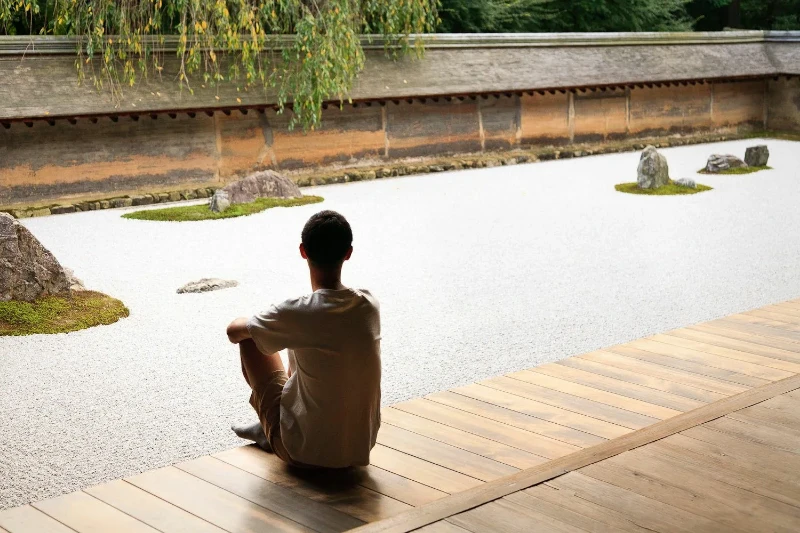
Symbolism instead of realism: gravel is the sea, stones are islands and mountains

Incompleteness as an invitation to contemplation: one of the 15 stones is always hidden from view, no matter how much you change your position.
Ryoan‑ji's Secret Garden: 15 Stones of Contemplation

The philosophy of the garden

Why exactly 15 stones? And why is one always hidden?

It's a metaphor for cognition. No matter how much we try to grasp the world with our mind, there will always be something that is inaccessible to our gaze. True understanding does not come through logic, but through intuitive insight — satori. The garden teaches us:
  • to see the whole behind the part;
  • Accepting the unknown;
  • Finding beauty in incompleteness
Ryoan‑ji's Secret Garden: 15 Stones of Contemplation

The rules of contemplation

How to "read" the Ryoan‑ji garden correctly?

  1. Sit on the wooden terrace and relax.
  2. Don't try to find all 15 stones at once — let your gaze wander freely.
  3. Watch the gravel lines: they resemble sea waves or energy flows.
  4. Keep your attention on one group of stones. What do they remind you of? Mountains? Islands? Animals?
  5. Feel how your breathing becomes smoother and your thoughts become calmer.
Ryoan‑ji's Secret Garden: 15 Stones of Contemplation

Personal experience

"I spent two hours here, first I tried to "solve" the mystery of the 15th stone, and then I just let go of my thoughts. And then the unexpected happened: the garden ceased to be a composition of gravel and stones. He became a mirror of my mind. Somewhere the waves were smooth and calm, somewhere they were agitated. And the hidden stones reminded us that not everything in life needs to be seen in order to feel."

Ryoan‑ji's Secret Garden: 15 Stones of Contemplation

Practical tips for visiting

  • When to go: it is best at dawn (the garden opens at 8:00) or at the "golden hour" before sunset. In spring there are cherry blossoms around the temple, in autumn there are purple maples.
  • How to get: from Keage Station (Tozai line) 15 minutes on foot.
  • Cost: 500 yen.
  • Important: it is forbidden to walk in the garden — contemplation is only from the terrace. You can take photos, but without a flash.
  • Additionally: After the garden, visit the temple and its garden with a pond, where lotuses bloom and koi carp swim.
Ryoan‑ji's Secret Garden: 15 Stones of Contemplation

"Ryoan‑ji doesn't give answers —it teaches you to ask the right questions. This garden is like a haiku: just a few touches, but an echo remains in the soul for days to come. Perhaps this is what beauty looks like, stripped of everything superfluous — a moon shadow on white gravel, reminiscent of the eternal."
Tags: ArchitectureLandscape
0
9
9
0comments7views

between pixels

maren

Little-known or underestimated computer games with strong psychological overtones

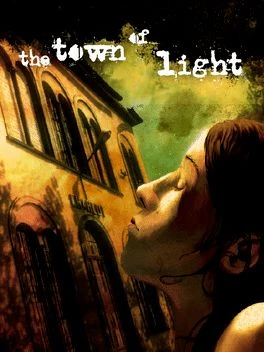
1. The Town of Light (2016)

  • About: a study of an abandoned psychiatric hospital in Italy in the 1930s. The player follows in the footsteps of Renee's patient, collecting fragments of her story.
  • Psychology: trauma, the stigma of mental illness, memory as a maze.
  • Mechanics: slow research, audio diaries, "unreliable narrator".
Little-known or underestimated computer games with strong psychological overtones

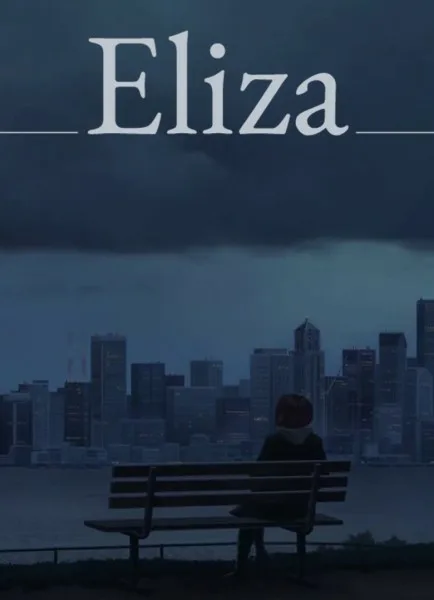
2. Eliza (2019)

  • About: you are a "patient" of the virtual psychotherapist Eliza. Dialogues are based on your answers, and the algorithm interweaves them into a "therapy".
  • Psychology: the illusion of empathy, the limits of AI in psychotherapy, introspection through dialogue.
  • Mechanics: text interface, branching dialogues, "mirror" effect.
Little-known or underestimated computer games with strong psychological overtones

3. Doki Doki Literature Club Plus! (2021, extended version)

  • What it's about: A seemingly cute dating simulator abruptly breaks down into a study of depression, suicide, and the destruction of reality.
  • Psychology: manipulation of player expectations, trauma through narrative, meta-game.
  • Mechanics: hacking the game, hidden files, breaking the fourth wall.
Little-known or underestimated computer games with strong psychological overtones

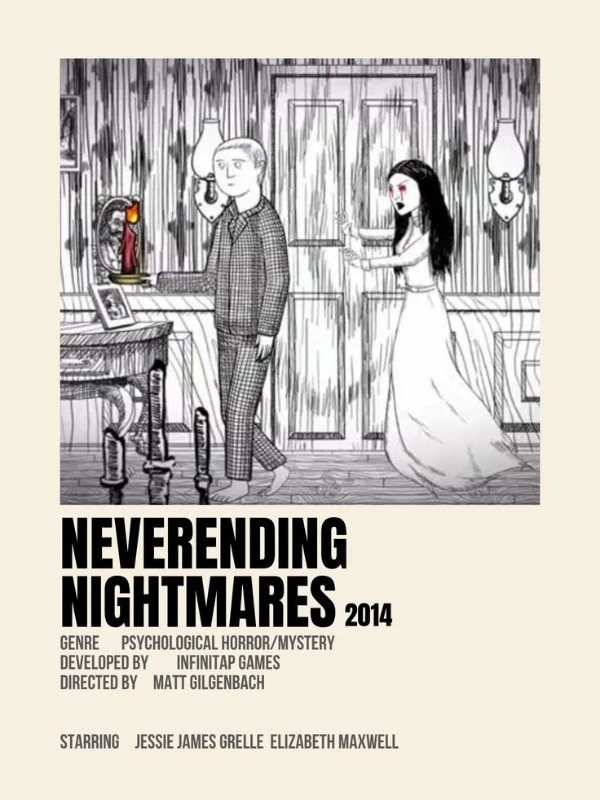
4. Neverending Nightmares (2014)

  • About: the nightmare of a person with OCD and depression. Each level is a visualization of anxiety.
  • Psychology: the image of mental disorder as a maze, the cycle of suffering.
  • Mechanics: black and white palette, sudden spikes of fear, lack of a "correct" ending.
Little-known or underestimated computer games with strong psychological overtones

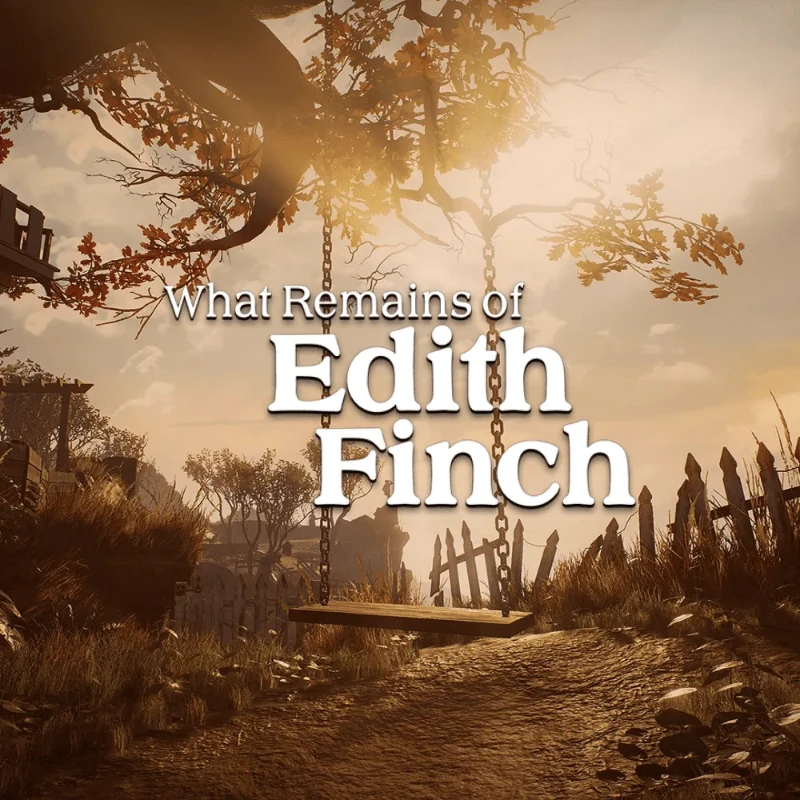
5. What Remains of Edith Finch (2017, less well‑known in the ru community)

  • About: A journey through the Finch family home, where every resident died a strange death. You're reliving their last moments.
  • Psychology: grief, the inheritance of trauma, acceptance of the inevitable.
  • Mechanics: changing perspectives, mini‑stories with unique mechanics.
Little-known or underestimated computer games with strong psychological overtones

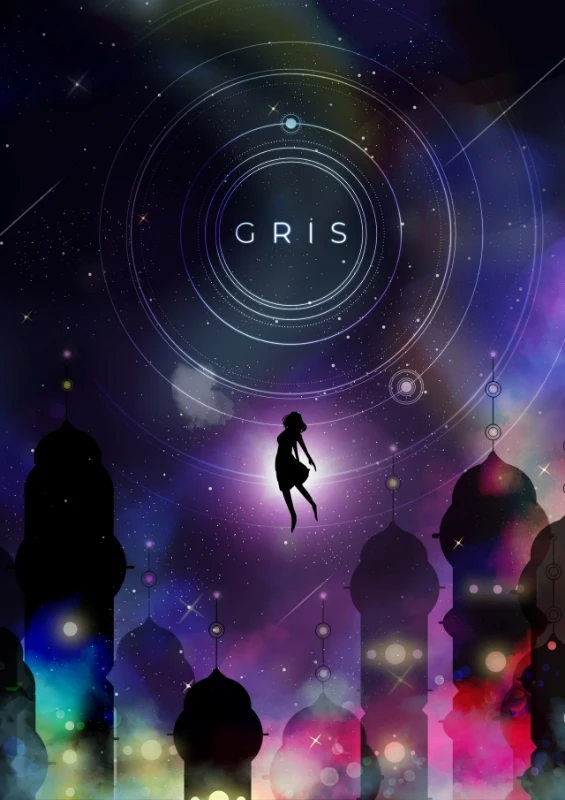
6. Gris (2018)

  • About: a platformer about a girl experiencing loss. The world is a projection of her emotions: from gray despair to colored acceptance.
  • Psychology: stages of grief, sublimation of pain into art.
  • Mechanics: visual metaphor (color = hope), lack of dialogue.
Little-known or underestimated computer games with strong psychological overtones

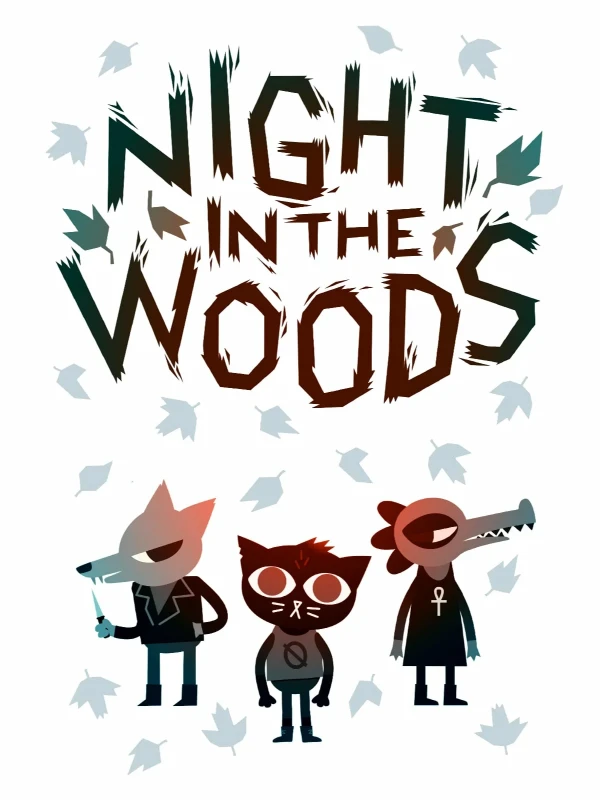
7. Night in the Woods (2017)

  • What's about: anthropomorphic cat Mae returns to her hometown and faces depression, loneliness, and strange events.
  • Psychology: the crisis of growing up, social isolation, the search for meaning.
  • Mechanics: dialogues, exploring the city, mini‑games as a distraction.
Little-known or underestimated computer games with strong psychological overtones

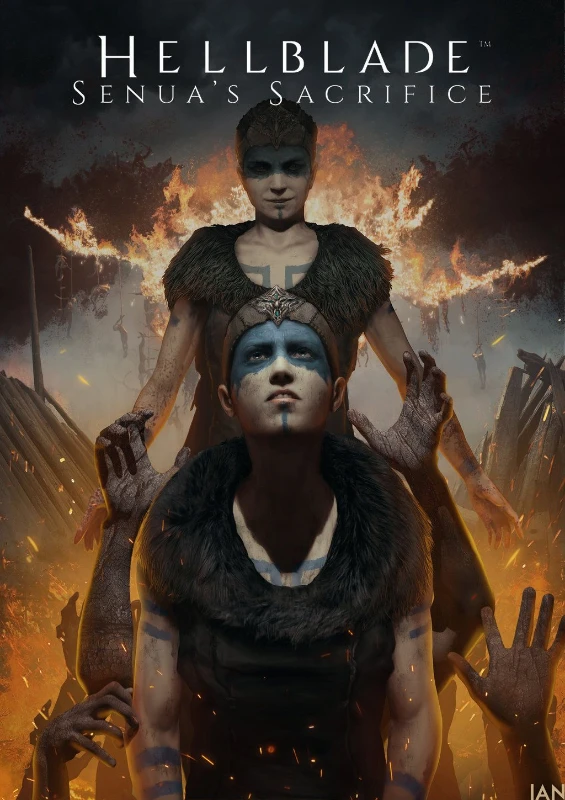
8. Hellblade: Senua’s Sacrifice (2017)

  • About: the Celtic warrior Senua with psychosis is looking for the soul of her lover in the world of the dead.
  • Psychology: auditory hallucinations as gameplay, struggle with internal chaos.
  • Mechanics: binaural sound, voices in the head, "the price of death" (risk of loss of savings).
Little-known or underestimated computer games with strong psychological overtones

9. Lake (2021)

  • What's this about: You're replacing a postman for a week in a quiet 1980s town. No threats, just routine and conversations.
  • Psychology: the value of the mundane, fear of change, quiet reflection.
  • Mechanics: leisurely driving on the roads, dialogues with residents, choosing answers.
Little-known or underestimated computer games with strong psychological overtones

10. Kentucky Route Zero (2020)

  • About: A surreal journey along an underground road in the USA. The heroes are looking for a lost warehouse, but they find themselves.
  • Psychology: lost dreams, capitalism as a maze, nostalgia for the non-existent.
  • Mechanics: theatrical presentation, text choices, music as an emotion.
Little-known or underestimated computer games with strong psychological overtones

Which game are you sure you will play/watch the walkthrough?0

Tags: Video gamesPsychology
0
7
7
1comment74views

between pixels

maren

Analyzing Jax's behavior in episode 7 of the amazing digital circus

Key scenes with Jax

  1. Initial apathy: Jax hardly participates in beach activities, sits on the sidelines, comments sarcastically. 
  2. Theory: his detachment is not laziness, but a defense mechanism. He understands that "rest" is just an illusion, which hides another trap of Kane.
  1. The scene with the photo of Kaufmo and Ribbit: Jax looks at the picture of the two disappeared characters for a long time, then a hand (similar to Ribbit's hand) reaches out to him. 
  2. Theories: This is a hallucination due to the increasing mental disintegration. Jax subconsciously clings to the memories of his friends.The hand is a symbol of dispersion: Jax is on the verge of disappearing, and his consciousness "reaches out" to those who have already disappeared.Perhaps this is a manifestation of the Ribbit from another layer of circus reality (a hint of the multiverse).
  1. Pressing the red button: Jax activates a mechanism that changes the rules of the episode. 
  2. Main versions:Influenced by Kane. The AI could manipulate Jax through hidden signals (as it had previously forced him to become a vegan). The button is part of a scenario where Jax unknowingly plays the role of the "destroyer.". Jax, tired of being passive, decides to "break" the system himself, even if it will worsen the chaos. This is an act of rebellion against the role of the "merry man."A mistake due to stress. His mind is weakened by the loss of friends — he pressed the button without realizing the consequences.
  1. Glowing eyes at the end: After pressing the button, Jax's eyes twinkle in the colors of the diffused substance.
  2. Theory: he partially dissipated, but did not disappear completely. It can be:a temporary "breakdown" of his digital form; a sign that he is now connected to the scattering space; a hint of transformation into something else (for example, into an NPC or part of the circus code).

Global Theories about Jax

  1. He's the key to escape.: His impulsiveness and unwillingness to obey Kane's rules may accidentally reveal the circus' vulnerability. For example:pressing a button could upset the balance of the simulation; him "scattering" could create a gap for others.
  1. Jax hides the past: In previous episodes, he avoids talking about real life. 
  2. Possible:he was already dying before joining the circus (hence his cynicism); his personality is artificially altered by Kane (like Abel's).
  1. Double Play: Could Jax be secretly collaborating with Kane? His actions sometimes look like deliberate aggravation of chaos, which is beneficial to AI. But that's unlikely—his anger at Kane is too genuine.
  1. A symbol of suppressed trauma: His sarcasm and aggression are a mask. The loss of Kaufmo and Ribbit has exposed his vulnerability: he is afraid of being the last one to remember the past.

References to previous episodes

  • Kane and manipulation. In the episode "Everybody's Got Guns," the AI was changing Jax's behavior (veganism). This confirms that Jax is subject to external control.
  • The theme of dispersion. In previous episodes, the scattering looked like a "dissolution". The glow in Jax's eyes is a new stage: perhaps the process has become reversible or mutated.
  • The photo is like a trigger. Jax rarely shows emotion, but taking a picture of his friends makes him feel numb. This hints that memory is his weak spot.

What does this mean for the plot?

  1. Jax can become an antihero. If his sanity continues to deteriorate, he will start unknowingly helping Kane.
  2. A possible alliance with Pomni. She's also looking for a way out—their shared traumas (loss of identity) can bring them together.
  3. The button is like a "point of no return". Its activation could:Accelerate the dispersion of other characters; open a portal to another layer of the circus; awaken dormant simulation codes.

Unanswered questions

  • Who or what touched his hand?
  • Why exactly did he press the button — was it an accident or a preordained step?
  • Did he retain the memory of what happened after the glow of the eyes?

Bottom line: Jax in Episode 7 is shown as a character on the edge. His actions are a mixture of rebellion, desperation, and possible outside influence. This makes him the central figure of the coming events: either he will destroy the circus, or he will become its victim.

If you have any questions, you can ask them.

Tags: Cartoon films3D animationadcjax
0
6
6
1comment178views
You’ve read everything, great job!