Little-known or underestimated computer games with strong psychological overtones
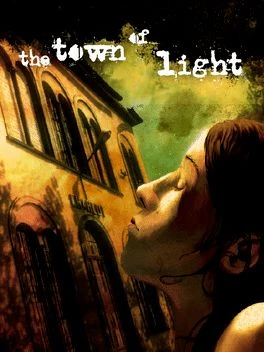
1. The Town of Light (2016)
About: a study of an abandoned psychiatric hospital in Italy in the 1930s. The player follows in the footsteps of Renee's patient, collecting fragments of her story.
Psychology: trauma, the stigma of mental illness, memory as a maze.
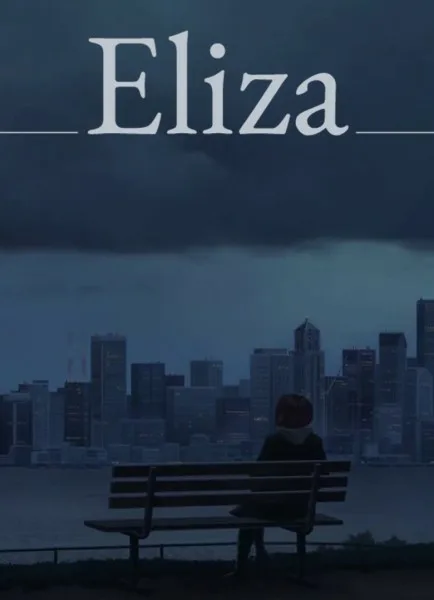
About: you are a "patient" of the virtual psychotherapist Eliza. Dialogues are based on your answers, and the algorithm interweaves them into a "therapy".
Psychology: the illusion of empathy, the limits of AI in psychotherapy, introspection through dialogue.
Mechanics: text interface, branching dialogues, "mirror" effect.
3. Doki Doki Literature Club Plus! (2021, extended version)
What it's about: A seemingly cute dating simulator abruptly breaks down into a study of depression, suicide, and the destruction of reality.
Psychology: manipulation of player expectations, trauma through narrative, meta-game.
Mechanics: hacking the game, hidden files, breaking the fourth wall.
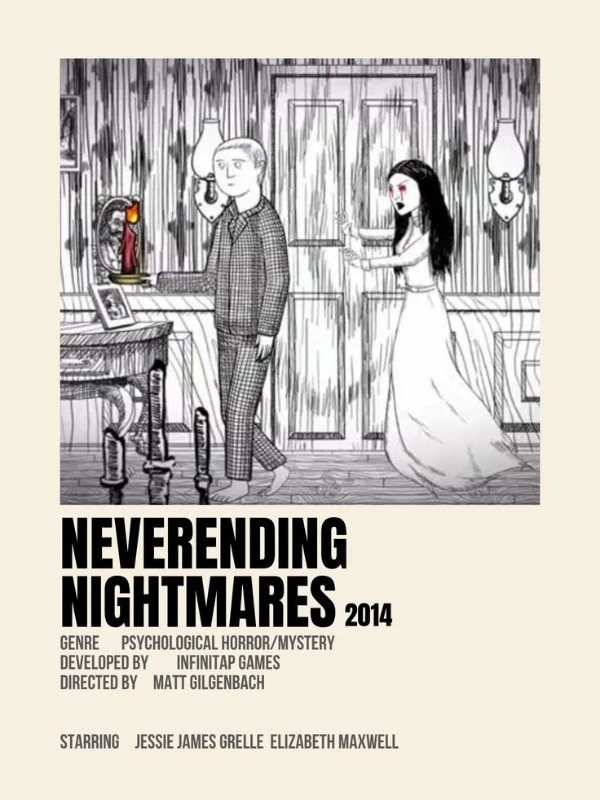
4. Neverending Nightmares (2014)
About: the nightmare of a person with OCD and depression. Each level is a visualization of anxiety.
Psychology: the image of mental disorder as a maze, the cycle of suffering.
Mechanics: black and white palette, sudden spikes of fear, lack of a "correct" ending.
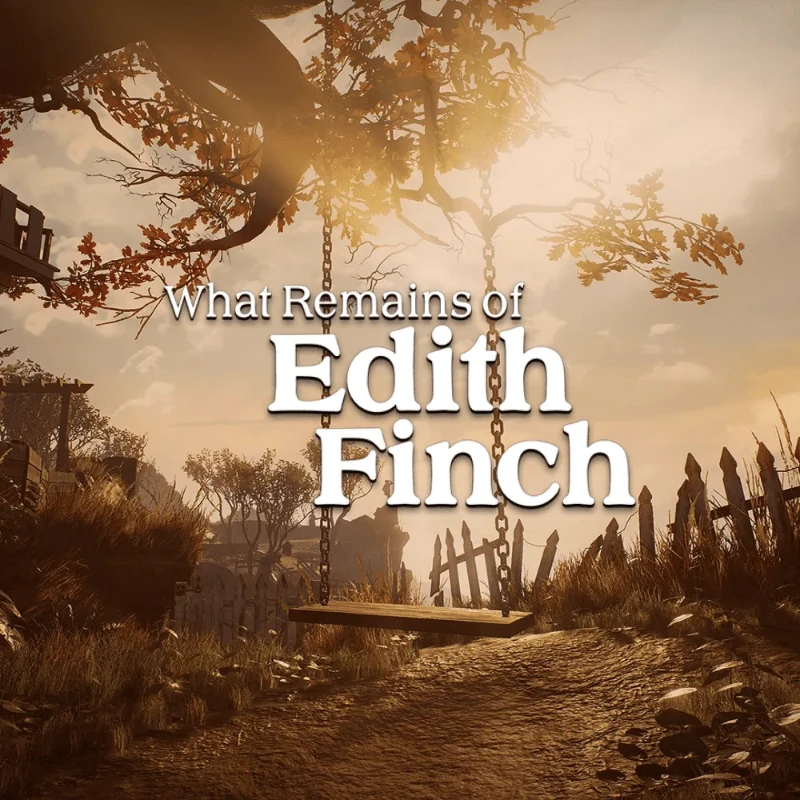
5. What Remains of Edith Finch (2017, less well‑known in the ru community)
About: A journey through the Finch family home, where every resident died a strange death. You're reliving their last moments.
Psychology: grief, the inheritance of trauma, acceptance of the inevitable.
Mechanics: changing perspectives, mini‑stories with unique mechanics.
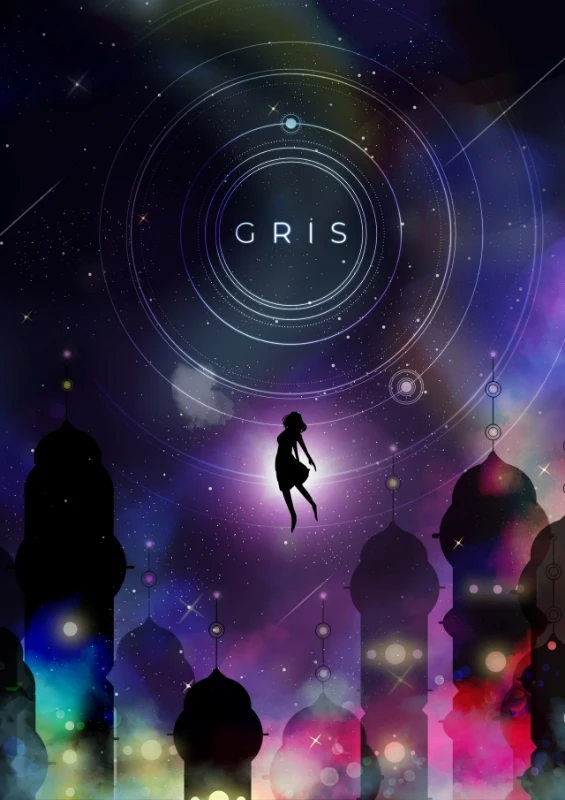
6. Gris (2018)
About: a platformer about a girl experiencing loss. The world is a projection of her emotions: from gray despair to colored acceptance.
Psychology: stages of grief, sublimation of pain into art.
Mechanics: visual metaphor (color = hope), lack of dialogue.
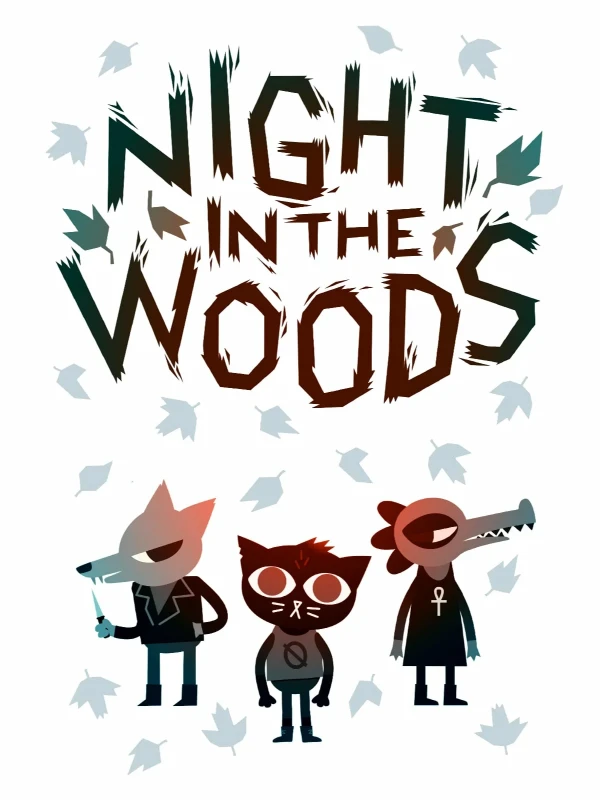
7. Night in the Woods (2017)
What's about: anthropomorphic cat Mae returns to her hometown and faces depression, loneliness, and strange events.
Psychology: the crisis of growing up, social isolation, the search for meaning.
Mechanics: dialogues, exploring the city, mini‑games as a distraction.
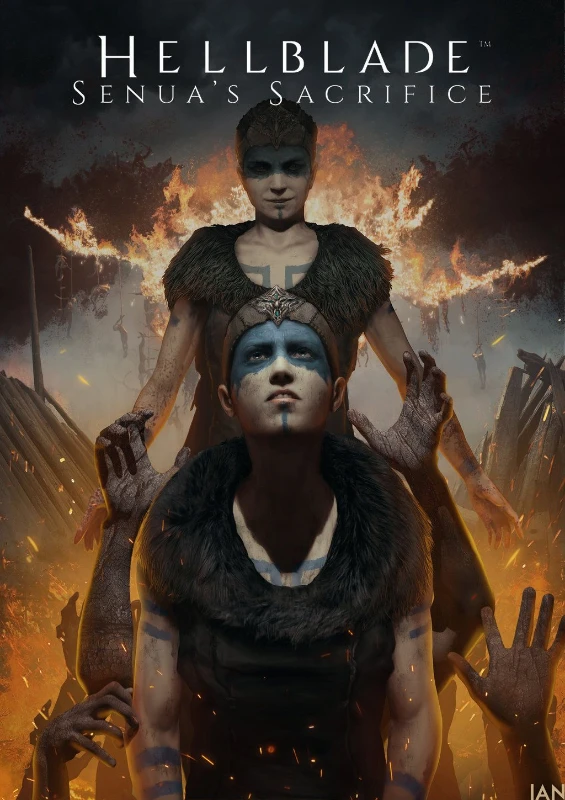
8. Hellblade: Senua’s Sacrifice (2017)
About: the Celtic warrior Senua with psychosis is looking for the soul of her lover in the world of the dead.
Psychology: auditory hallucinations as gameplay, struggle with internal chaos.
Mechanics: binaural sound, voices in the head, "the price of death" (risk of loss of savings).
9. Lake (2021)
What's this about: You're replacing a postman for a week in a quiet 1980s town. No threats, just routine and conversations.
Psychology: the value of the mundane, fear of change, quiet reflection.
Mechanics: leisurely driving on the roads, dialogues with residents, choosing answers.
10. Kentucky Route Zero (2020)
About: A surreal journey along an underground road in the USA. The heroes are looking for a lost warehouse, but they find themselves.
Psychology: lost dreams, capitalism as a maze, nostalgia for the non-existent.
Mechanics: theatrical presentation, text choices, music as an emotion.
Which game are you sure you will play/watch the walkthrough?0
Night. Silence. You're almost asleep. And at that moment, a nasty squeak appears.
Is it familiar? Then read on — I'll tell you how not to become a dinner for mosquitoes and sleep well. 🛑🔇💢
I decided to forget about a big post about all (or rather, almost all) the work of the Underworld group, which I have already talked about more than once. After all, there are never too many Anders!




Share:
Bestcomments (1)
Angel_felix
A wonderful post!💗