The Nuremberg Trials are one of the most important events of the first post-war years. It was there that the political and military figures of the Third Reich were convicted, and, as many say, the last victory over Nazism was won.
The results of the trial were as follows: 12 people were sentenced to death (1 in absentia), three people were sentenced to life imprisonment, two to 20 years in prison, and two more to 15 and 10 years, respectively.
At the same time, there were three people who were acquitted at that trial. Let's look at what kind of people they were and why they were not punished?
* * *
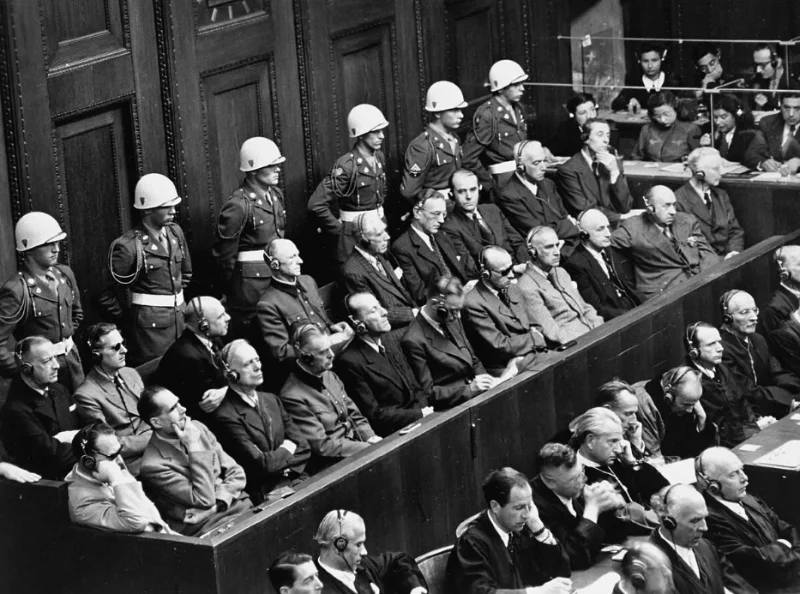
The defendants
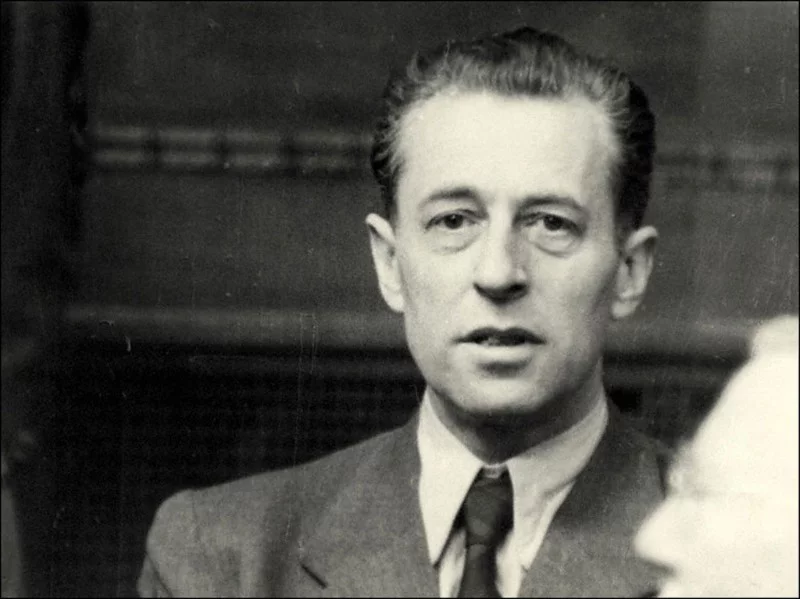
Hans Fritsche
Hans Fritsche - German Nazi propagandist, radio host, high-ranking official The Ministry of Public Education and Propaganda of Joseph Goebbels.
In the 1920s, he was one of the pioneers of radio broadcasting, and since 1932 he has been the head of news broadcasting.
In 1933, he joined the NSDAP, headed the radio department at the Ministry of Public Education and Propaganda. In 1938 - 1942, he headed the department of the domestic press, but then he began to run the radio again.
He broadcast until the end of the war, supporting the morale of soldiers and citizens of the Reich.
He appeared at the Nuremberg trial together with Julius Streicher (editor of the newspaper "Sturmovik"). Due to the death of Goebbels, he was brought in for spreading Nazi propaganda.
Unlike Streicher, who was sentenced to death, Fritsche was acquitted of all three charges: The court found it proven that he did not call for crimes against humanity, did not participate in war crimes and plots to seize power.
However, in the future, according to other processes within the framework of denazification, Fritsche was sentenced to 9 years. In 1950, he was released for health reasons and died of cancer 3 years later.
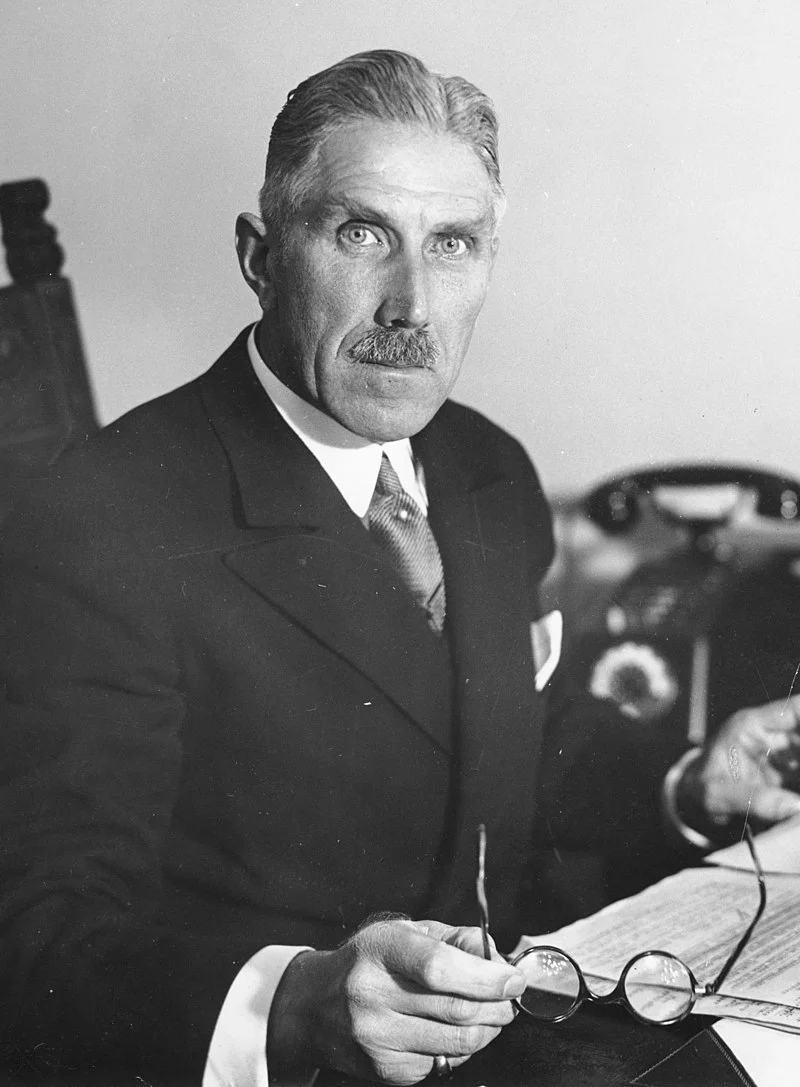
Franz von Papen
Franz von Papen is a German statesman, politician, and diplomat.
In 1913-1915, he was a military attache in the United States, then served on the Western Front of the First World War. In 1921-1932, he was a deputy of the Prussian Landtag from the Catholic Party of the Center; he joined its extreme right wing.
From June 1 to December 2, 1932, he headed the government. He considered including Hitler in his cabinet, however, after a few years he would criticize him. In 1934, he will be under house arrest during the "night of the long knives".
From 1934 to 1938 he was Ambassador to Austria, and from 1939 to 1944 - Ambassador to Turkey. It was thanks to von Papen's activities that Turkey remained neutral and did not join the allies, and it was he who advised Turkey to close the passage for British ships.
In 1945, he was arrested and then tried by the International Military Tribunal in Nuremberg, but was acquitted.
However, during denazification, he was still sentenced to 8 years in a labor camp in 1947. When the case was reviewed in 1949, the punishment was commuted to the actual time served.
In the 1950s, he unsuccessfully tried to re-enter politics. In his declining years, he published many books and memoirs in which he tried to justify the policies he pursued in the 1930s.
He died in 1969.
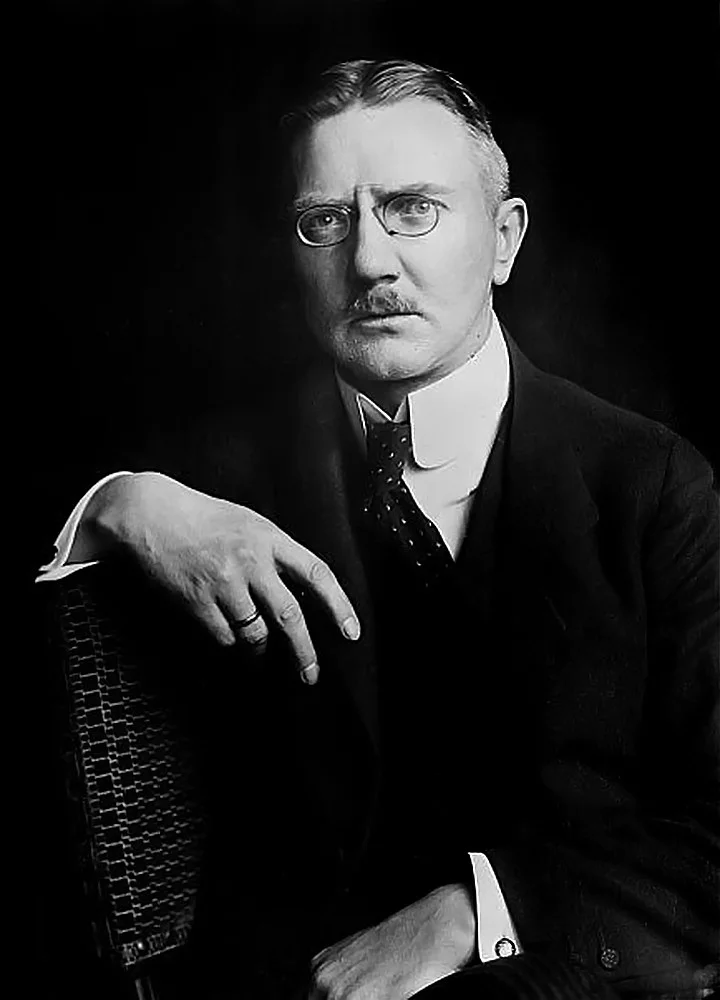
Yalmar Shakht
Hjalmar Schacht is a German statesman and financial figure. President of the Reichsbank (1923-1930, 1933-1939), Reich Minister of Economy (1936-1937). One of the main organizers of the war economy of Nazi Germany.
During During the First World War, he worked in the economic department of the German occupation authorities in Belgium. In 1916, he headed a private The National Bank of Germany.
Since December 22, 1923 - President of the Reichsbank Germany. He carried out a number of very effective financial and economic measures that stopped hyperinflation and stabilized the exchange rate of the mark.
Since 1931, he supported the NSDAP, promoted the rapprochement of A. Hitler with big industrialists and politicians. He became head of the Reichsbank again in 1933.
In 1934, Schacht established full control over the German credit system, and on June 22 he became Reich Minister of Economy.
In 1939, he sent Hitler a letter in which he pointed out that the course pursued by the government would lead to the collapse of the German financial system and hyperinflation.
In September of the same year, he sharply condemned the invasion of Poland.
He also reacted extremely negatively to the war with the USSR, believing that Germany would lose it for financial reasons. At the end of 1941, he sent a harsh letter to Hitler with criticism, and in 1942 he finally resigned from the government.
He was in close contact with the conspirators against the Hitler regime, although he was not a participant in the conspiracy. After the failed assassination attempt on the Fuhrer in July 1944, Schacht was arrested and held in concentration camps. He was liberated by the Allies in 1945, but immediately arrested by American troops.
Was brought to trial He was acquitted by the International Military Tribunal in Nuremberg on October 1, 1946. However, according to the subsequent denazification processes, he was sentenced to 8 years of hard labor. In 1948, he was fully acquitted after an appeal.
Later he worked in the banking sector in Germany, founded and headed the banking house "Schacht GmbH". He died in 1970 in Munich.
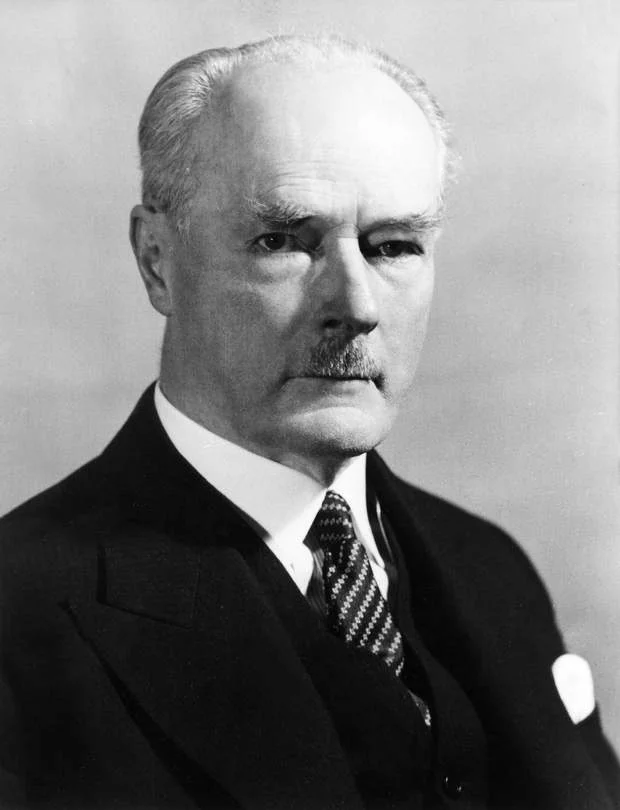
Gustav Krupp
Despite the fact that there were only three acquitted, I think one more person can be mentioned in this article - Gustav Krupp. A German industrialist and financial magnate who provided significant financial support to the Nazi movement.
He was born in the 1870s in the family of a German diplomat. After graduating from the university, he was a member of many diplomatic missions.
After marrying Bertha Krupp in October 1906 (from the Krupp dynasty of industrialists, after her father's suicide she managed the family business), he joined the board of directors of the Krupp concern. It is noteworthy that Kaiser Wilhelm II of Germany himself contributed to this marriage.
In the 20s, he opposed the Nazi movement, however, after meeting with Hitler, he began to promote his regime and sponsored the modernization of German weapons.
Krupp enterprises, where tanks, artillery and other military equipment were produced on a huge scale, widely used the labor of prisoners of war and other prisoners of concentration camps.
In 1941, he suffered a stroke, as a result of which he was declared incapacitated, and all management passed to his son Alfrid.
In 1945, he was listed as accused, however, since he was in fact in a coma, he was found unable to stand trial and the charges were dropped.
The idea of trying his son was abandoned, however, during the denazification, Alfrid was still sentenced to prison.
Gustav Krupp himself died in 1950.
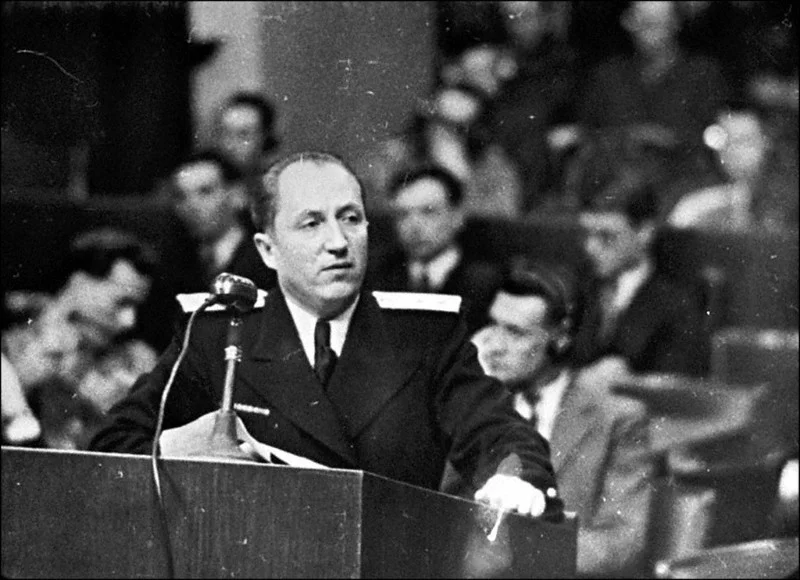
Roman Rudenko is the main Soviet prosecutor in Nuremberg.
It was expected that the acquittals would cause extremely mixed reactions. So, Soviet propaganda took advantage of this, which replicated everywhere about the "discontent of the Germans with the acquittal of criminals."
It is also noteworthy that the acquitted refused to leave prison at first, as they were afraid for their lives.
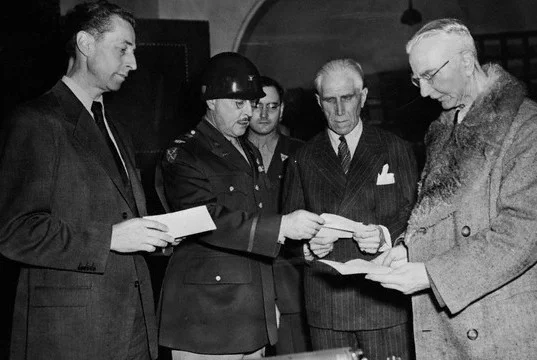
Fritsche, Papen and Schacht with Colonel Andrews (October 4, 1946)
So we looked at those who were acquitted at the Nuremberg trials. Write in the comments what do you think about this - were they deservedly acquitted, or should these individuals have been severely punished?
I hope it was interesting!

